






What's Happening?
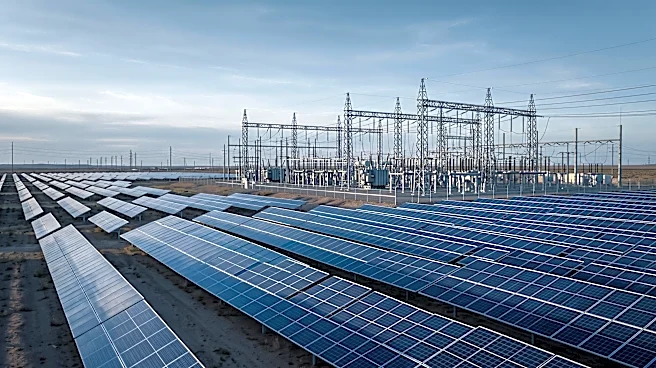
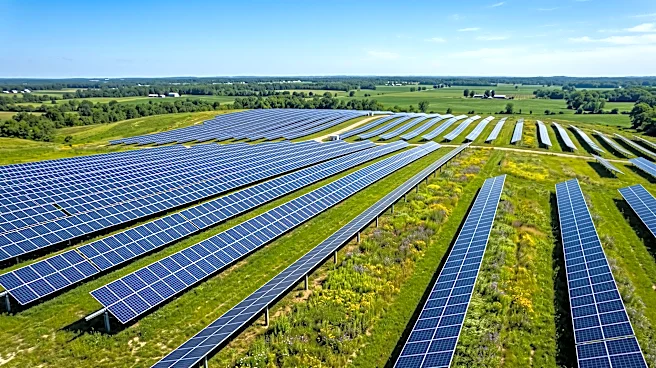
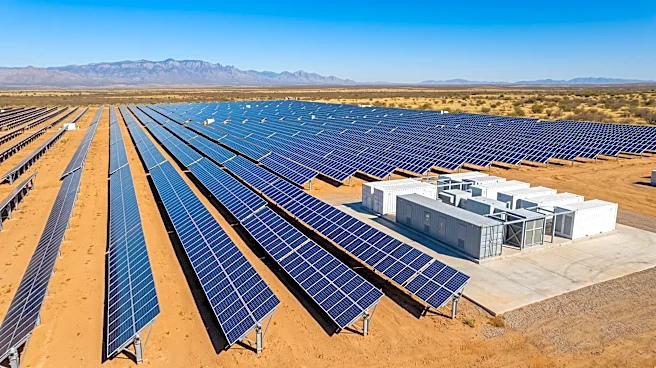
Linxon, Hitachi Energy, and FTC Solar have announced a strategic collaboration through a Memorandum of Understanding (MoU) to jointly develop and deliver utility-scale solar and battery energy storage system (BESS) projects. This alliance will primarily
focus on North America, with potential expansion into other mutually agreed markets. The collaboration aims to integrate technology, manufacturing, and execution intelligence to streamline project development, mitigate delivery risks, and enhance certainty throughout the project lifecycle. Linxon will serve as the primary Engineering, Procurement, and Construction (EPC) integrator and market-facing contractor, overseeing the full spectrum of project execution services, including engineering, procurement, construction, and commissioning. Hitachi Energy will contribute utility-scale solar inverters, power conversion systems for BESS, and advanced automation and control systems for plant operations. FTC Solar, known for its solar tracker systems, technology, software, and engineering services, will provide solar trackers, racking systems, and related balance-of-system solutions. This partnership seeks to address the challenges of scaling infrastructure for renewable energy integration and strengthening grid resilience.
Why It's Important?
This collaboration is significant for the U.S. renewable energy sector as it directly tackles the critical need for more integrated and efficient solutions in utility-scale solar and energy storage. By combining the specialized expertise of three industry leaders, the alliance is poised to accelerate the deployment of renewable energy projects across North America. Linxon's EPC capabilities, Hitachi Energy's power conversion and control systems, and FTC Solar's solar tracking technology create a comprehensive offering that can reduce project complexities and timelines. This integrated approach is crucial for strengthening grid resilience and ensuring a reliable supply of sustainable power, which are key objectives for the U.S. energy infrastructure. The initiative could set a new standard for how large-scale renewable projects are developed and executed, potentially influencing other entities to adopt similar collaborative strategies to meet the growing demand for clean energy and electrification. The success of this model could lead to faster market penetration of renewable technologies, benefiting consumers through more stable and sustainable energy sources.
What's Next?
The immediate next steps for Linxon, Hitachi Energy, and FTC Solar will involve establishing a standardized and repeatable delivery model for their joint projects. This model is intended to assist customers in transforming the increasing demand for renewable generation and electrification into bankable and executable projects with greater speed and predictability. Industry experts will closely monitor the effectiveness of this collaboration to assess its impact on project timelines, cost efficiencies, and overall success rates. The alliance's ability to demonstrate tangible improvements in project delivery could encourage other companies in the renewable energy sector to form similar partnerships, fostering a more collaborative environment for innovation and deployment. Furthermore, the expansion into other mutually agreed markets beyond North America will depend on the initial success and scalability of their integrated approach, potentially extending the reach of their combined expertise globally.
Beyond the Headlines
This strategic alliance underscores a broader trend in the renewable energy industry: the increasing recognition that complex, large-scale projects require integrated solutions and collaborative efforts rather than fragmented approaches. The partnership highlights the shift towards a more holistic view of energy infrastructure development, where technological innovation, manufacturing capabilities, grid integration expertise, and project execution are seamlessly aligned. This move could lead to a more robust and resilient energy grid, capable of handling the intermittency of renewable sources through advanced storage and control systems. Ethically, such collaborations can promote sustainable development and reduce carbon footprints, aligning with global climate goals. Culturally, it signifies a move away from siloed operations towards a more interconnected and interdependent industry ecosystem, fostering shared knowledge and best practices. The long-term implication is a potential acceleration in the transition from fossil fuels to renewable energy, driven by more efficient and reliable project delivery mechanisms.