

What's Happening?
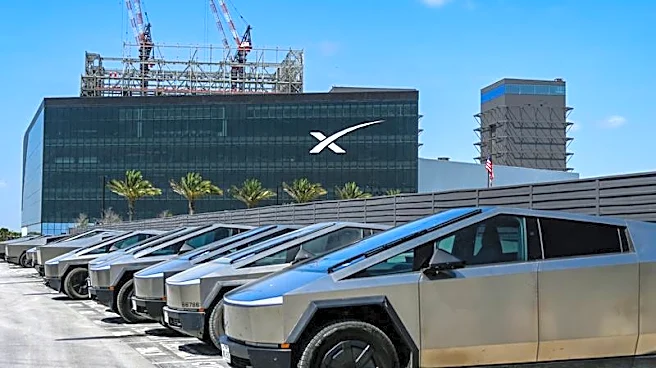
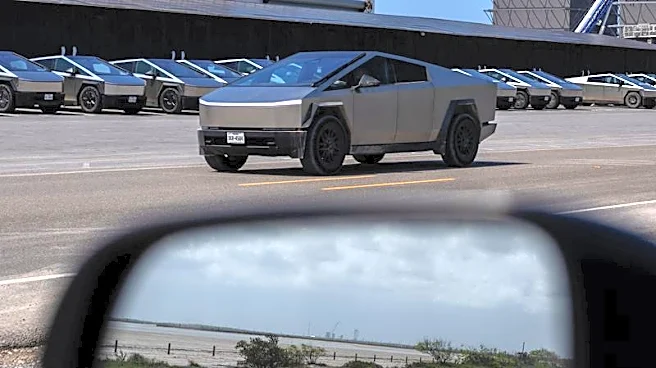
Tesla plans to scale back Cybertruck production at its Texas gigafactory starting around mid-next year. This strategic shift is intended to make way for increased production of the Cybercab, as announced by CEO Elon Musk on X. Musk did not clarify whether
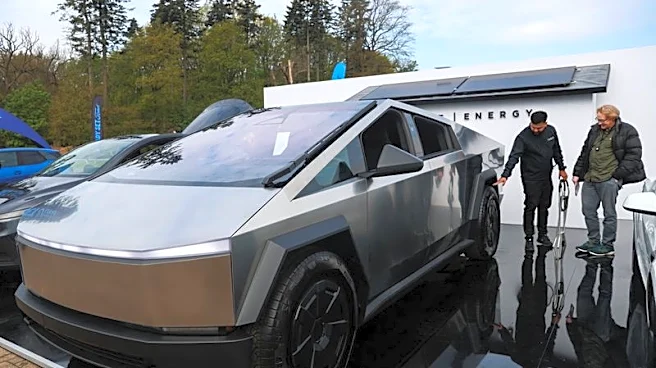
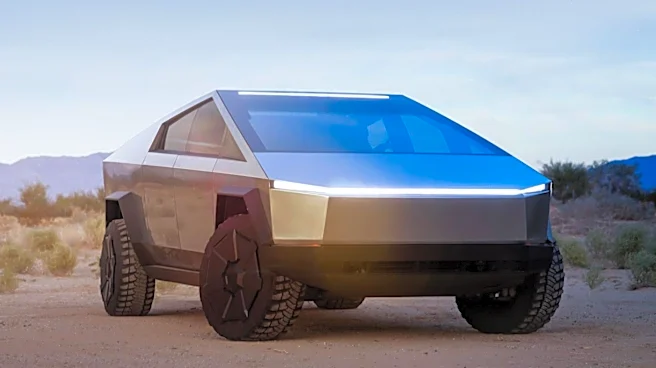
Cybertruck production would be relocated to another facility or if it would be discontinued entirely. Tesla has not yet responded to requests for comment regarding these plans. The Cybertruck, initially launched in 2023 and positioned as a futuristic competitor to traditional pickup trucks, has encountered challenges in maintaining consumer interest. It has also been subject to several recalls and quality control issues, alongside frequent price adjustments by Tesla. This move signals a potential re-prioritization within Tesla's production strategy, shifting focus towards its autonomous vehicle initiatives.
Why It's Important?
This production adjustment is significant for Tesla's long-term strategy, indicating a pivot towards its robotaxi ambitions, with the Cybercab being a central component. The decision to potentially reduce or halt Cybertruck production underscores the challenges the vehicle has faced since its launch, including market reception and quality concerns. For the automotive industry, this could signal a stronger commitment from Tesla to the autonomous vehicle sector, potentially accelerating competition and innovation in driverless technology. Investors and consumers will be closely watching how this shift impacts Tesla's market position and its ability to deliver on its autonomous driving promises. The move also highlights the dynamic nature of electric vehicle production and the continuous evaluation of product lines based on market performance and strategic goals.
What's Next?
The immediate next steps involve Tesla clarifying the future of Cybertruck production, specifically whether it will be moved to another facility or phased out. Further details are expected regarding the ramp-up of Cybercab production and its integration into Tesla's broader robotaxi network. Stakeholders, including investors, customers, and competitors, will be looking for more information on the timeline for these changes and the potential impact on Tesla's vehicle lineup and sales projections. The company's communication regarding these plans will be crucial in managing market expectations and addressing concerns about the Cybertruck's future. This strategic shift could also influence Tesla's manufacturing footprint and supply chain operations in the coming years.
Beyond the Headlines
This strategic pivot by Tesla could have broader implications for the electric vehicle market and the future of personal transportation. The potential de-emphasis of the Cybertruck, a highly anticipated and unconventional vehicle, suggests that even innovative designs can struggle if they don't meet market expectations or production quality standards. Conversely, prioritizing the Cybercab reinforces Tesla's long-term vision of a fully autonomous, ride-sharing future, potentially accelerating the transition away from individual car ownership in urban centers. This move also raises questions about the sustainability of niche vehicle markets versus mass-market autonomous solutions. The success or failure of this shift could influence other automakers' strategies regarding their own autonomous vehicle development and product portfolio management.