



What's Happening?
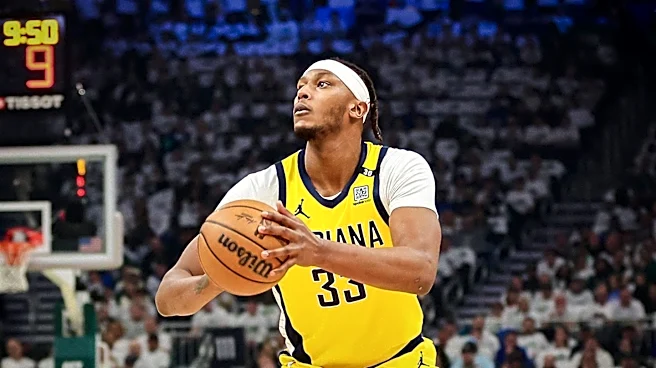
Pacers Sports & Entertainment has announced a new partnership with DAZN, making the streaming service the exclusive home for Indiana Pacers basketball. Starting this season, DAZN will provide live games and exclusive team content, including 22 regular
season games and four preseason games available for free on the DAZN app. This move aims to make Pacers basketball more accessible to fans, reflecting the evolving landscape of local sports broadcasting and viewing habits. According to Mel Raines, President and CEO of Pacers Sports & Entertainment, DAZN's premium viewing experience offers fans greater flexibility and affordable access to the team, while also creating more opportunities for engagement. DAZN subscribers will also gain access to expanded pregame and postgame coverage, highlights, behind-the-scenes content, and original programming throughout the season. DAZN is a global leader in direct-to-consumer sports entertainment, delivering over 140,000 live sports events annually across various major sports leagues and competitions worldwide.
Why It's Important?
This partnership signifies a significant shift in how U.S. sports content, particularly NBA games, is distributed and consumed. By making DAZN the exclusive streaming home and offering a substantial number of free games, the Indiana Pacers are directly addressing the growing demand for flexible and affordable sports viewing options outside traditional cable and satellite packages. This strategy could attract a broader audience, including younger demographics and those who have cut the cord, potentially increasing fan engagement and team visibility. For DAZN, securing exclusive rights to an NBA team strengthens its position in the competitive U.S. sports streaming market, adding a valuable local sports franchise to its diverse portfolio that already includes international soccer, basketball, motorsports, and more. This trend of teams partnering directly with streaming services could influence other U.S. sports franchises to explore similar models, potentially disrupting traditional regional sports network broadcasting agreements and reshaping the future of sports media rights.
What's Next?
The immediate next step for the Indiana Pacers and DAZN is the launch of the upcoming basketball season, with fans gaining access to the free and subscription-based content. The success of this partnership will likely be closely monitored by other NBA teams and professional sports leagues in the U.S. If the model proves effective in increasing viewership and fan engagement, it could lead to more teams adopting direct-to-consumer streaming strategies. This could also prompt traditional broadcasters to re-evaluate their offerings and potentially form new partnerships with streaming platforms. Furthermore, DAZN may seek to expand similar exclusive streaming deals with other U.S. sports organizations, further solidifying its presence in the market. The long-term implications could include a more fragmented sports viewing landscape, where fans subscribe to multiple streaming services to follow their favorite teams and sports.
Beyond the Headlines
This move by the Indiana Pacers and DAZN highlights a broader industry trend towards direct-to-consumer models in sports, driven by technological advancements and changing consumer preferences. The decision to offer 22 regular season games for free on the DAZN app is particularly noteworthy, as it represents a strategic effort to lower barriers to entry for fans and potentially cultivate a new generation of followers. This approach could challenge the traditional revenue streams of sports broadcasting, which have historically relied on lucrative cable and satellite deals. It also raises questions about the future of regional sports networks and their ability to compete with global streaming giants. The emphasis on exclusive team content and expanded coverage suggests a focus on creating a more immersive and personalized fan experience, moving beyond just live game broadcasts to offer a comprehensive digital hub for team enthusiasts. This could set a precedent for how sports organizations build and maintain fan loyalty in an increasingly digital world.