








What's Happening?
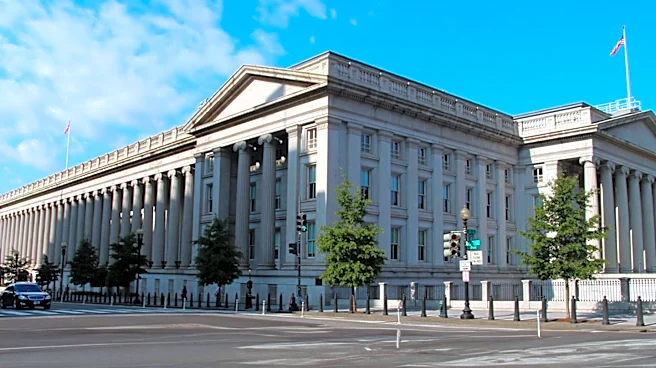
The U.S. Department of the Treasury and the IRS have announced the designation of 6,576 census tracts across all 50 states, the District of Columbia, and U.S. territories as Qualified Opportunity Zones (OZ) for the program's second round, known as OZ 2.0.
These new designations will become effective on January 1, 2027, and are set to remain in place for a decade, until December 31, 2036. This announcement marks the completion of the first redesignation round for the Opportunity Zone incentive, which was made permanent by the Working Families Tax Cuts law. Every tract nominated by governors and the mayor of the District of Columbia made the final list. Of the designated tracts, 2,594, or 39.4%, are rural, qualifying them for enhanced rural tax incentives under the new legislation. Treasury Secretary Scott Bessent emphasized that this permanent renewal provides investors and local leaders with the long-term certainty needed to commit capital to communities that have historically been overlooked. The OZ 2.0 map features fewer designated census tracts than the original program, with a reduction of 2,188 zones from the 2018 round's 8,764 to the current 6,576.
Why It's Important?
The redesignation of Opportunity Zones is significant for U.S. economic development and investment strategies. The permanent nature of the incentive, as highlighted by Treasury Secretary Scott Bessent, aims to foster sustained capital commitment in economically distressed areas. This long-term certainty is crucial for investors and developers planning projects that require substantial time and resources. The increased share of rural tracts in OZ 2.0, now at 39.4%, indicates a strategic shift towards encouraging investment in rural communities, which often face greater challenges in attracting capital. While the overall number of designated zones has decreased, making the map more targeted, the enhanced benefits for rural investments, such as a reduced substantial improvement requirement for qualifying property and a potential 30% investor basis step-up for Qualified Rural Opportunity Fund (QROF) investments, could stimulate growth in these areas. This initiative seeks to channel private investment into underserved communities, potentially leading to job creation, infrastructure development, and improved local economies.
What's Next?
With the new Opportunity Zone map finalized, investors and their advisors can now identify properties and businesses located within OZ 2.0 tracts in preparation for the January 1, 2027, effective date. This clarity removes a significant uncertainty for fund sponsors and developers regarding site selection, acquisition planning, and capital raising. Investments made in Qualified Opportunity Funds starting in 2027 will generally fall under the new OZ 2.0 rules, allowing for capital gains deferral and potential basis step-ups. Investors holding qualifying investments for at least five years can receive a 10% basis step-up, while those in QROFs can receive a 30% step-up. Additionally, investments held for at least ten years may benefit from an exclusion of post-investment appreciation. While the original 2018 designations remain in effect until December 31, 2028, new property acquisitions after 2026 in tracts designated only under OZ 1.0 will face restrictions. This transition necessitates careful distinction between existing investments and the eligibility of new projects for investors and sponsors.
Beyond the Headlines
The shift in Opportunity Zone designations reflects a broader policy effort to refine and target economic development incentives. The reduction in the total number of zones, coupled with a higher percentage of rural tracts, suggests a more focused approach to addressing specific economic disparities. This could lead to more concentrated investment in fewer areas, potentially maximizing impact in those chosen communities. However, it also means that some areas previously designated as Opportunity Zones will lose that status, which could affect ongoing or planned projects and local economic development strategies. The emphasis on rural investment, with its enhanced benefits, highlights a recognition of the unique challenges faced by these regions and an attempt to level the playing field. The long-term success of OZ 2.0 will depend on how effectively these incentives translate into tangible economic growth and improved living standards in the newly designated zones, particularly in rural areas, and how investors adapt to the updated framework.