




What's Happening?
Postpartum fitness programs are increasingly focusing on a foundational approach to recovery, prioritizing deep core reconnection and gentle strength work before progressing to more intense physical activity. This shift is driven by the understanding
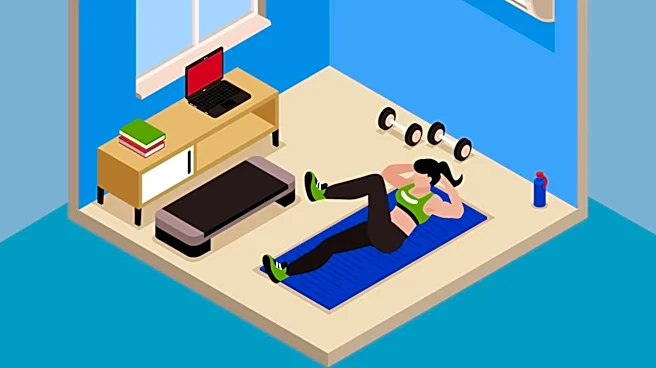
that generic 'bounce back' workout routines can exacerbate common postpartum issues such as diastasis recti (abdominal separation) and back pain. Experts recommend starting with an assessment to identify specific concerns like diastasis recti. Programs like Pilates and barre are frequently suggested due to their emphasis on core strength, stability, and controlled movements. These methods help in retraining the deep abdominopelvic canister, which involves coordinating the diaphragm, transversus abdominis, multifidus, and pelvic floor muscles. The goal is to restore the body's internal pressure system, which is often disrupted by pregnancy and childbirth, to prevent issues like urinary incontinence and pelvic organ prolapse. New mothers are advised to avoid exercises that place strong pressure on the abdomen, such as crunches and planks, especially if diastasis recti has not healed.
Why It's Important?
This emphasis on specialized postpartum fitness is crucial for the long-term health and well-being of new mothers. Improper or premature engagement in high-impact exercises can lead to chronic conditions, including persistent back pain, pelvic floor dysfunction, and worsening of diastasis recti, which can significantly impact a woman's quality of life. By advocating for a phased and informed approach, these programs help mothers safely regain strength and function, preventing further injury and promoting sustainable fitness. The focus on core stability and pelvic floor health is vital not only for physical recovery but also for enabling mothers to comfortably manage the physical demands of childcare. This approach also challenges the societal pressure on new mothers to quickly 'bounce back' to pre-pregnancy bodies, instead promoting a healthier, more realistic recovery timeline that prioritizes bodily integrity and function.
What's Next?
The trend towards specialized postpartum fitness is likely to continue growing, with more fitness professionals and healthcare providers integrating these principles into their recommendations. New mothers seeking to return to exercise will increasingly be advised to consult with specialists, such as pelvic floor physiotherapists, to receive personalized assessments and guidance. Fitness studios and online platforms are expected to expand their offerings of postpartum-specific classes, focusing on low-impact, core-strengthening modalities like Pilates and barre. There may also be a greater emphasis on pre-screening for conditions like diastasis recti before recommending any exercise regimen. As awareness grows, the standard for postpartum recovery will likely shift from general fitness advice to more tailored, evidence-based programs that address the unique physiological changes experienced during pregnancy and childbirth.
Beyond the Headlines
Beyond the immediate physical benefits, the shift in postpartum fitness philosophy has broader implications for maternal health and societal perceptions of motherhood. It underscores a growing recognition of the physical toll of childbirth and the need for specialized care that extends beyond the immediate postpartum period. This approach can empower women to prioritize their long-term health over aesthetic pressures, fostering a more body-positive and realistic view of postpartum recovery. Ethically, it highlights the responsibility of the fitness industry to provide safe and appropriate guidance for this vulnerable population. Legally, it could lead to increased demand for qualified professionals and potentially influence insurance coverage for specialized postpartum rehabilitation services. Culturally, it challenges the narrative of rapid 'recovery' and instead promotes a more holistic understanding of maternal well-being, acknowledging the profound physical and emotional transformation of childbirth.