


What's Happening?
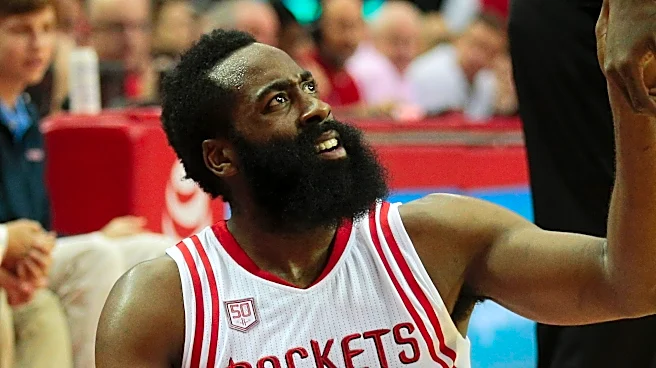
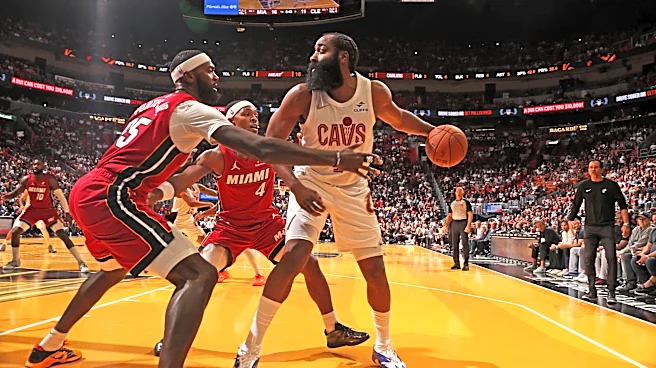
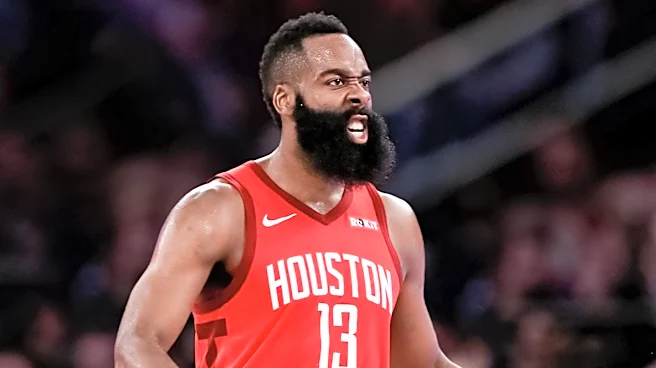
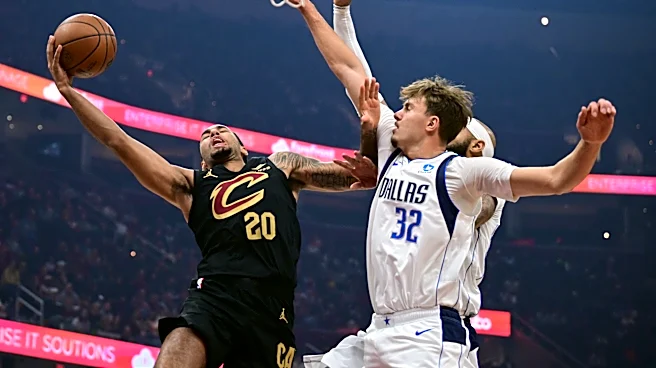
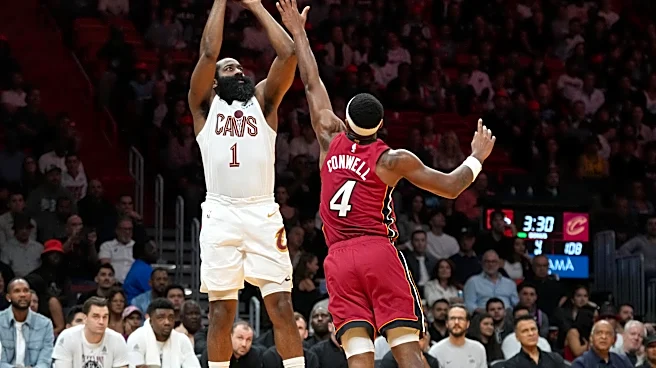
The Cleveland Cavaliers are reportedly evaluating the future of James Harden with the team, following a disappointing 6-7 start to the season, placing them seventh in the Eastern Conference. Harden, acquired last season, is averaging 16.7 points, 4.6
rebounds, and 5.6 assists, with shooting percentages of 39.0% from the field and 38.6% from three-point range. These numbers represent a significant decline from his performance in the 2025-26 campaign, where he averaged 23.6 points, 4.8 rebounds, and 8.0 assists. Despite a recent 32-point performance against the Knicks, which led to a 115-107 win, the consistency of his high-level play has been questioned. Harden signed a three-year, $96.5 million deal over the summer, including a $33.7 million player option for 2028-29, and is earning $30.6 million this season. He is not eligible for trade until December 15.
Why It's Important?
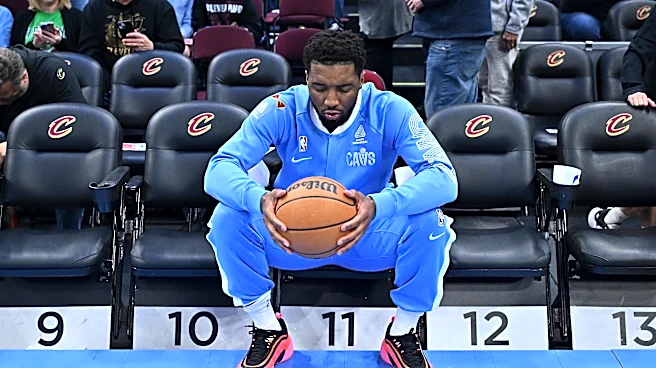
The potential trade of James Harden carries significant implications for the Cleveland Cavaliers and the broader NBA landscape. For the Cavaliers, a trade would signal a major strategic shift, acknowledging that the 'Harden experiment' has not yielded the desired results. This could impact team chemistry, financial planning, and the long-term vision for the franchise, especially given the presence of other key players like Donovan Mitchell, Evan Mobley, and Jarrett Allen. A move could aim to acquire players who better complement Mitchell's ball-dominant style, focusing on younger talent, reliable floor-spacing, or improved perimeter defense. For other NBA teams, Harden, despite his current performance, remains a high-profile player whose availability could trigger significant roster changes and competitive shifts, particularly for teams seeking a veteran playmaker or additional star power. The financial aspect of his contract also makes any potential trade a complex negotiation, influencing salary caps and future spending for involved teams.
What's Next?
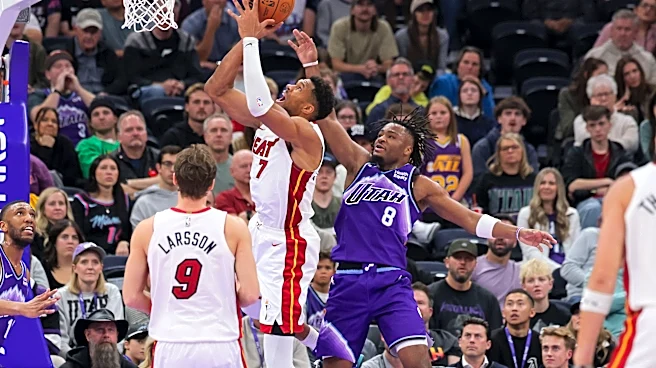
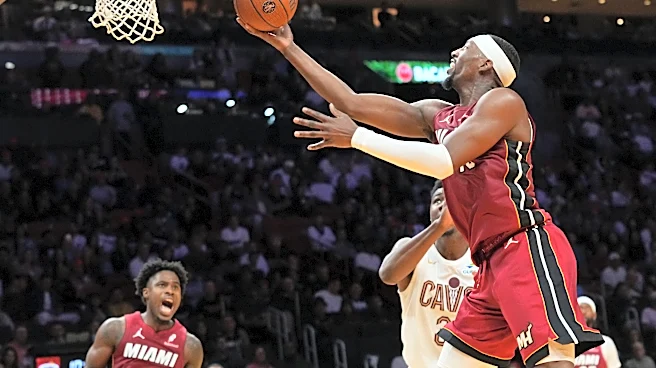
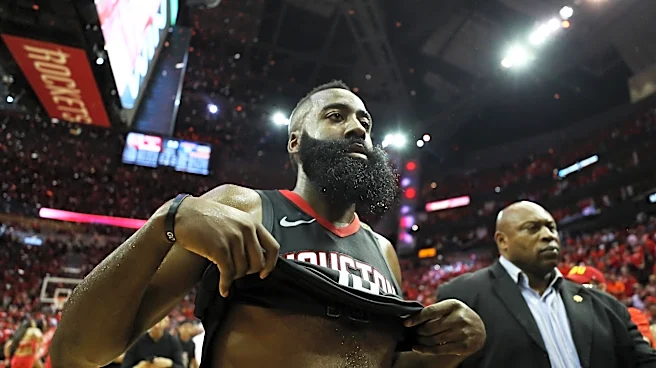
With James Harden becoming trade-eligible on December 15, the Cleveland Cavaliers are expected to explore various trade scenarios if they decide to move on from him. Hypothetical trade packages suggest potential exchanges with teams like the Miami Heat for Andrew Wiggins, the Phoenix Suns for Miles Bridges and Luke Kennard, a reunion with the Houston Rockets for Fred VanVleet and Marcus Smart, or a deal with the Atlanta Hawks for CJ McCollum and Aaron Wiggins. Each scenario presents different strategic advantages for the Cavaliers, ranging from acquiring defensive wings and shooters to gaining cap flexibility. The decision will likely hinge on whether the Cavaliers prioritize immediate roster improvements, long-term financial flexibility, or a better fit around their existing core players. The performance of the team and Harden in the coming weeks leading up to the trade deadline will heavily influence these decisions.
Beyond the Headlines
The situation with James Harden in Cleveland highlights a recurring challenge in professional sports: integrating high-profile, ball-dominant players into existing team structures, especially when their performance declines. Beyond the immediate trade implications, this scenario raises questions about player longevity, the value of veteran experience versus consistent output, and the strategic risks associated with significant player acquisitions. The Cavaliers' dilemma reflects a broader trend in the NBA where teams constantly seek to optimize their rosters for championship contention, often leading to difficult decisions regarding star players. The outcome of this situation could influence how teams approach future trades involving aging stars and the emphasis placed on team fit over individual talent. It also underscores the pressure on front offices to make timely and effective personnel decisions in a highly competitive league.