





What's Happening?
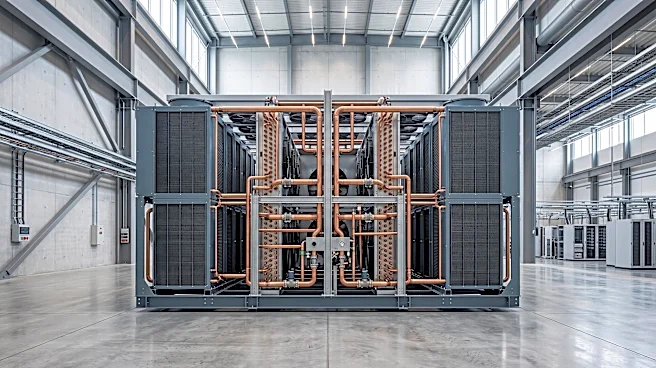
SpaceX has announced plans to invest over $74 billion in two AI supercomputing sites: approximately $50 billion in southeastern Arizona and more than $24 billion at Starbase, Texas. These projects are designed to be self-sufficient, with on-site power
generation in Texas and dry cooling systems in Arizona, promising lower bills and taxes for local residents. However, these proposals are facing significant pushback from residents, local officials, and Arizona’s Attorney General Kris Mayes, who are demanding clarity on who will bear the costs for the necessary power plants, water resources, and grid upgrades. In Texas, a land swap allowed the Starbase project to bypass Brownsville's data center moratorium, but it still faces environmental concerns over air pollution and water usage from its proposed gas-fired power plant. In Arizona, the planned 6,000-megawatt facility raises questions about its impact on the rural grid and an already strained aquifer, prompting the Attorney General to request a postponement of the county's vote until state and federal agencies can review the project.
Why It's Important?
The debate over who pays for the extensive infrastructure required by large-scale AI data centers is a critical issue for U.S. states and local communities. If these costs are passed on to residents through higher utility rates or taxes, it could negate the promised economic benefits and create significant financial burdens. For SpaceX, the success of these projects is crucial, as its AI segment contributed over half of its third-quarter revenue. The growing public opposition, as evidenced by voters siding against data center development in 37 out of 38 local ballot contests recently, indicates a shifting political landscape that could impact future tech infrastructure projects nationwide. This situation highlights the tension between economic development driven by tech companies and the environmental and financial sustainability of local communities, setting a precedent for how such large-scale developments will be managed and funded across the U.S.
What's Next?
Key decisions are approaching for SpaceX's data center plans. In Texas, Starbase's city commission is scheduled to consider a tax abatement on December 9, and the project will face a new governor in January who has vowed to freeze data center approvals. In Arizona, Attorney General Kris Mayes has requested a postponement of Cochise County's December 9 vote on the project, seeking state and federal agency review. She also plans a town hall meeting on December 3 to address community concerns. These upcoming votes and reviews will be crucial tests of whether SpaceX's promise of self-paying AI campuses holds up under public and regulatory scrutiny. The outcomes could influence how other states and localities approach similar large-scale tech infrastructure proposals, potentially leading to more stringent requirements for companies to cover their own infrastructure costs.
Beyond the Headlines
The controversy surrounding SpaceX's data centers underscores a broader national challenge: balancing rapid technological advancement, particularly in AI, with environmental stewardship and equitable resource distribution. The immense power and water demands of AI supercomputing facilities are pushing existing infrastructure to its limits and exacerbating concerns about climate change and resource scarcity. This situation could accelerate the development of new regulatory frameworks that mandate greater corporate responsibility for infrastructure costs and environmental impacts. It also highlights the growing power of local communities and state attorneys general in shaping the landscape of tech development, potentially leading to a more decentralized and community-centric approach to approving large industrial projects. The debate also touches on the future of energy grids, prompting questions about their capacity to support the exponential growth of AI and the need for sustainable energy solutions.