



What's Happening?
Urban Outfitters is bringing the UGG brand back to its 'On Rotation' retail platform for the fall 2026 season. This renewed partnership, which builds on a previous 2025 collaboration, will feature footwear and apparel alongside dedicated installations
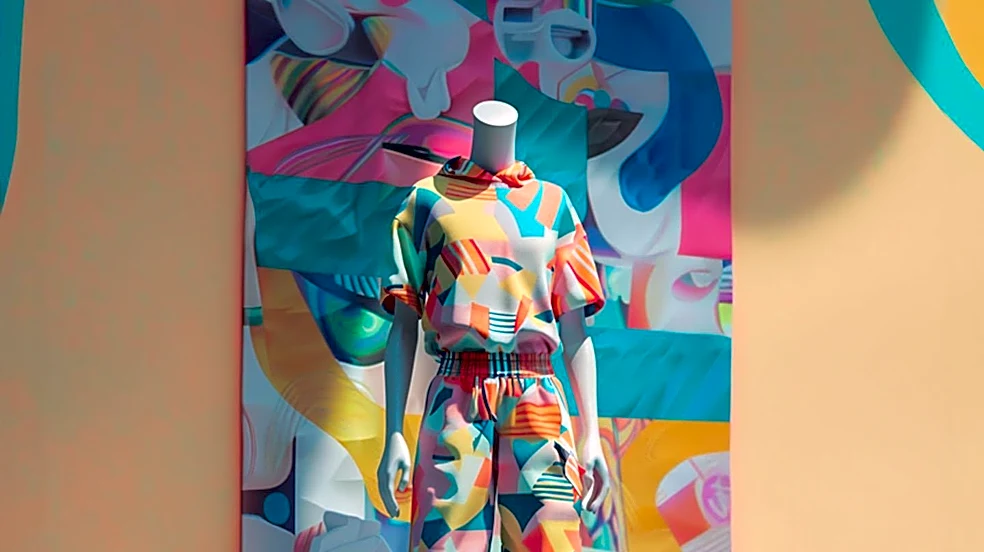
across five major U.S. city markets. The rollout is scheduled from October to November and includes locations in New York City, Boston, Chicago, Los Angeles, and the Philadelphia area. These installations are designed to offer customers an immersive experience, combining shoe try-on areas, vintage-inspired styling, and a 'loaded tailgate display.' The assortment will include both familiar UGG styles and new seasonal additions, such as Goldenstar Evelina clogs, embroidered Classic Ultra Mini Western boots, and a Nikia Crochet Fluff zip-up jacket. Bijon Javadzadeh, Urban Outfitters’ GMM of Men’s and Footwear, stated that this format aims to encourage customers to 'reimagine their favorite styles and discover new silhouettes from the brand,' integrating merchandising directly into the collaborative experience. UGG's products will be presented as a complete wardrobe proposition, rather than just an isolated shoe display, with footwear showcased alongside apparel and styled mannequins.
Why It's Important?
This strategic reintroduction of UGG to Urban Outfitters' 'On Rotation' platform is significant for both companies and the broader retail landscape. For Urban Outfitters, it leverages a popular brand to drive foot traffic and engagement in key urban markets, potentially boosting sales during the crucial fall and holiday seasons. The 'On Rotation' concept, with its focus on curated experiences and integrated merchandising, reflects a growing trend in retail to move beyond traditional product displays and create more interactive and lifestyle-oriented shopping environments. For UGG, a division of Deckers Brands, the partnership provides enhanced visibility and access to Urban Outfitters' target demographic, which often includes fashion-forward and trend-conscious consumers. By presenting UGG as a complete wardrobe solution rather than just footwear, the collaboration could expand UGG's market perception and encourage cross-category purchases. This move also highlights the continued importance of physical retail spaces for brand building and customer connection, even in an increasingly digital commerce world, by offering unique in-store experiences that cannot be replicated online.
What's Next?
Following the October-November rollout, the success of these five-city installations will likely be evaluated based on sales performance, customer engagement, and brand perception. If successful, Urban Outfitters and UGG may consider expanding the 'On Rotation' partnership to additional cities or extending its duration beyond the initial fall and holiday gifting period. The format's emphasis on experiential retail could also influence future collaborations between Urban Outfitters and other brands, potentially leading to more immersive and curated shopping experiences across its various retail brands. Other retailers might observe the outcomes of this partnership to inform their own strategies for brand collaborations and in-store activations. The partnership's extension into holiday gifting suggests a long-term vision for the collaboration, indicating that both brands anticipate sustained consumer interest and sales through the end of the year. Future product assortments could also evolve based on consumer feedback and sales data from these initial installations.
Beyond the Headlines
The collaboration between Urban Outfitters and UGG on the 'On Rotation' platform signifies a deeper shift in retail strategy, moving towards highly curated and experiential shopping. This approach transcends mere product sales, aiming to create a lifestyle narrative around the brands. By integrating UGG footwear with apparel and vintage-inspired styling, Urban Outfitters is not just selling products but offering a complete aesthetic and cultural experience. This strategy taps into consumers' desire for authenticity and personalized discovery, making the act of shopping an engaging event rather than a transactional one. The focus on specific U.S. city markets also reflects an understanding of localized fashion trends and consumer preferences, allowing for tailored experiences that resonate more deeply with regional audiences. This model could set a precedent for how fashion retailers and brands collaborate in the future, emphasizing storytelling and immersive environments to foster stronger brand loyalty and differentiate themselves in a competitive market. It also underscores the evolving role of brick-and-mortar stores as hubs for brand interaction and community building.