






What's Happening?
Taiwan Semiconductor Manufacturing Co. (TSMC), a leading global chipmaker, is in discussions to potentially collaborate with Elon Musk's planned 'Terafab' chip manufacturing complex in Texas. This exploration comes as TSMC seeks to expand its chip production
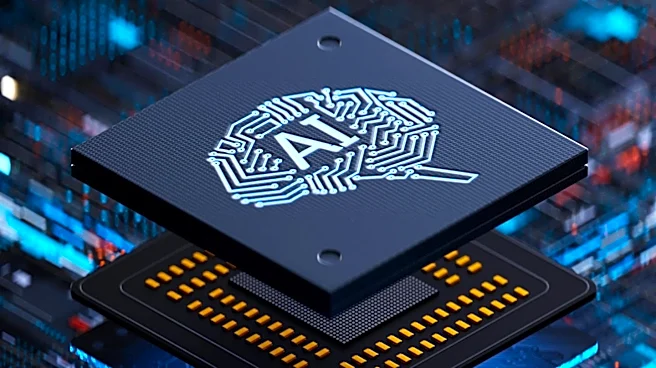
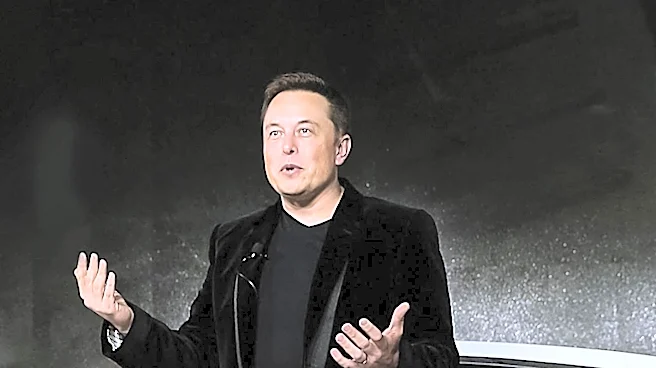
capacity in the United States, driven by robust demand from the artificial intelligence market. TSMC, which produces over 90% of the world's most advanced chips, supplies major U.S. technology companies like Nvidia and Apple. The company has already committed $265 billion to investments in Arizona, including $100 billion pledged in July. TSMC Chairman and CEO C.C. Wei stated that the demand for AI chips currently exceeds their supply capability, and they are working to narrow this gap. While TSMC is open to being part of Terafab, Wei emphasized that any plant in Texas must be run by TSMC. Elon Musk previously confirmed discussions with TSMC regarding Terafab but indicated that his entities would build and run the fab, with TSMC potentially subleasing a portion.
Why It's Important?
This potential collaboration is significant for the U.S. technology and manufacturing sectors, particularly in the context of artificial intelligence. Increased domestic chip production, especially of advanced chips, is crucial for national security and economic competitiveness, reducing reliance on overseas manufacturing. The involvement of TSMC, a global leader, in a U.S.-based project like Terafab could accelerate the development of a robust domestic semiconductor supply chain. This move would benefit U.S. tech giants by ensuring a more stable and secure supply of critical components for AI development and other high-tech applications. The discussions also highlight the strategic importance of Texas as a hub for advanced manufacturing and technology investment. The outcome of these negotiations will influence job creation, technological innovation, and the overall resilience of the U.S. economy in the face of global supply chain vulnerabilities.
What's Next?
TSMC is currently evaluating options for expanding its capacity beyond Arizona, with Texas being a strong contender. The company has sent teams to Texas for evaluation, and the plan is still under deliberation. The key point of negotiation appears to be the operational control of any TSMC plant within the Terafab complex, with TSMC insisting on running its own facilities. Elon Musk's stance on building and running the fab, with TSMC potentially as a sub-lessee, indicates a potential point of contention that needs to be resolved. TSMC's capital expenditure budget for this year is $60 billion to $64 billion, with significantly higher spending projected for 2026-2028, signaling a strong commitment to expansion. The final agreement will likely shape the future landscape of advanced chip manufacturing in the U.S. and could influence other international chipmakers' decisions regarding U.S. investments.
Beyond the Headlines
The potential partnership between TSMC and Elon Musk's Terafab complex extends beyond mere manufacturing capacity; it represents a strategic alignment in the global race for technological supremacy, particularly in AI. This collaboration could foster a deeper integration of cutting-edge research and development between a leading chip manufacturer and an innovator known for pushing technological boundaries. It also raises questions about the long-term implications for intellectual property and technological transfer in such cross-border ventures. The emphasis on domestic chip production also reflects a broader geopolitical strategy to secure critical technologies and reduce vulnerabilities to supply chain disruptions, which have been highlighted by recent global events. The success of this venture could serve as a model for future public-private partnerships aimed at bolstering national technological capabilities and fostering innovation.