


What's Happening?
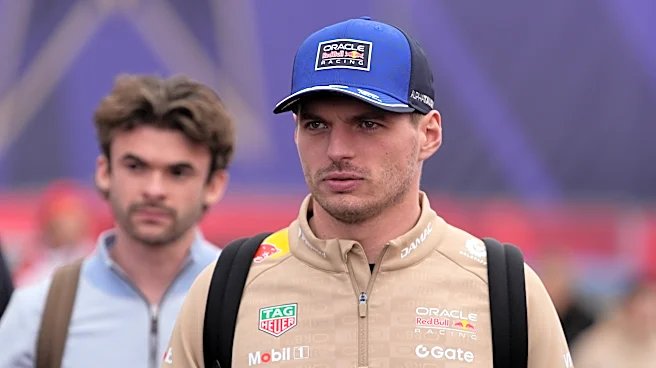
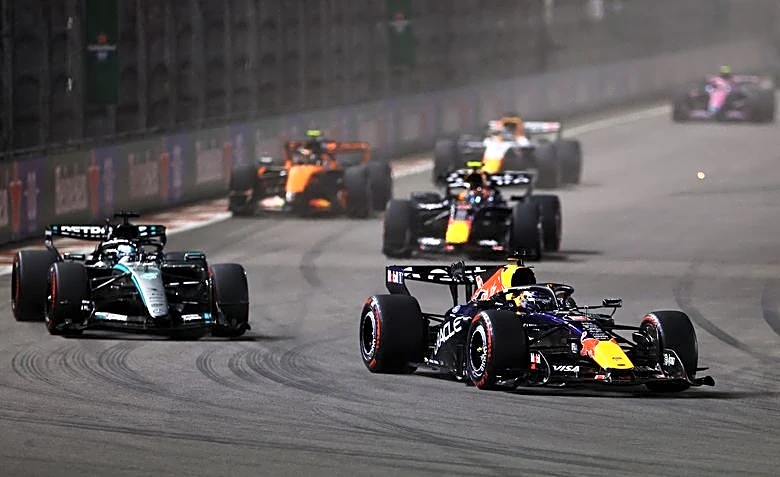
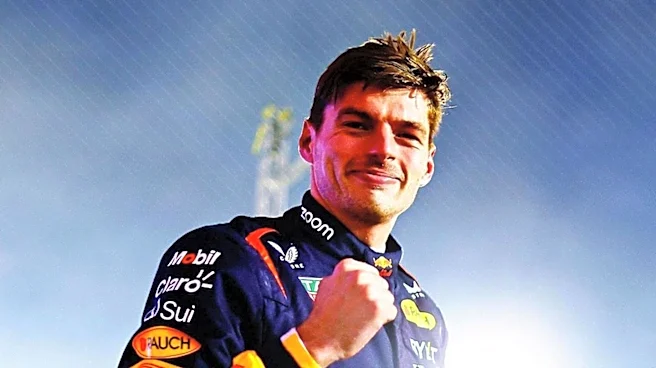
The Formula 1 Las Vegas Grand Prix is presenting unique tactical challenges for teams, as detailed in a strategy guide. Kimi Antonelli secured pole position in qualifying but faces a five-place grid penalty, elevating Max Verstappen to the top spot. Practice
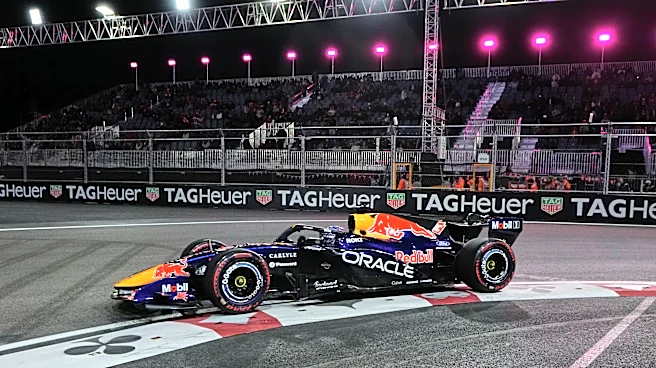
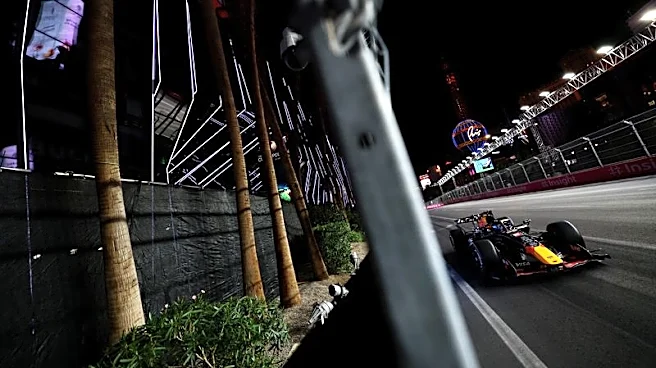
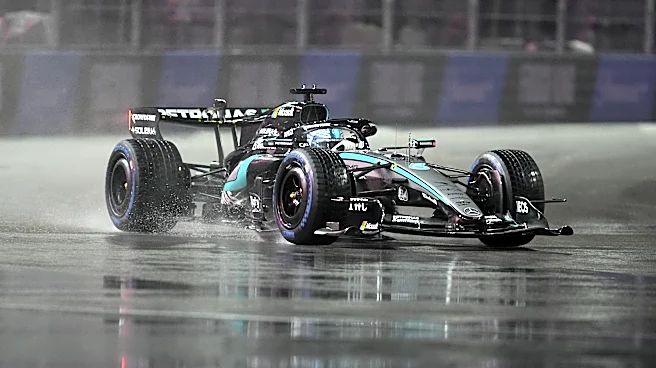
sessions, particularly FP3, indicated a significant performance disparity: Red Bull and McLaren demonstrated superior speed in the twisty middle sector but lagged almost a second behind Mercedes AMG on the straights. This deficit, while masked by 'tow' effects in qualifying, is expected to be a critical factor in the race. The Las Vegas Strip Circuit is characterized by low grip, omnipresent walls, and a high probability of game-changing Safety Car, VSC, or red flag incidents, making a quick car alone insufficient for victory; a robust strategy is paramount.
Why It's Important?
The tactical complexities of the Las Vegas Grand Prix hold significant implications for the U.S. sports and entertainment landscape, particularly for Formula 1's growing presence in the country. The unpredictable nature of the circuit, with its unique blend of high-speed straights and tight turns, coupled with potential safety car interventions, means that strategic decisions will heavily influence the race outcome. This unpredictability enhances the spectacle for American audiences, who are increasingly drawn to the drama and strategic depth of F1. For teams and their U.S.-based sponsors, a successful strategy in such a high-profile event can significantly boost brand visibility and market engagement. Conversely, a misstep could lead to substantial financial and reputational losses. The race's outcome will also impact the championship standings, influencing the narrative for the remainder of the season and potentially affecting future investment in U.S. F1 events. The emphasis on strategy over raw car speed highlights the intellectual aspect of the sport, appealing to a broader demographic of fans.
What's Next?
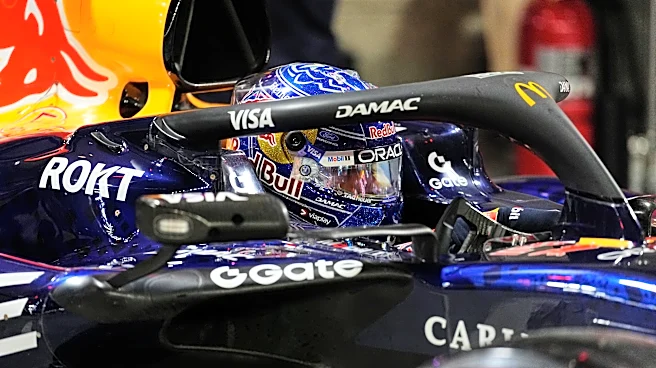
As the Las Vegas Grand Prix approaches, teams will finalize their tactical options, considering tire strategies, pit stop windows, and contingency plans for potential safety car periods. The performance discrepancies observed in practice sessions will lead to intense data analysis to optimize car setups and race strategies. Drivers like Max Verstappen, now starting from pole, will need to execute flawless races while adapting to the circuit's inherent challenges. The race itself will serve as a crucial test of each team's strategic prowess and operational efficiency. Post-race, the analysis of successful and unsuccessful strategies will inform future race preparations, particularly for street circuits or those with similar characteristics. The event's success will also be a key indicator for Formula 1's continued expansion and investment in the U.S. market, influencing decisions on future race locations and promotional activities.
Beyond the Headlines
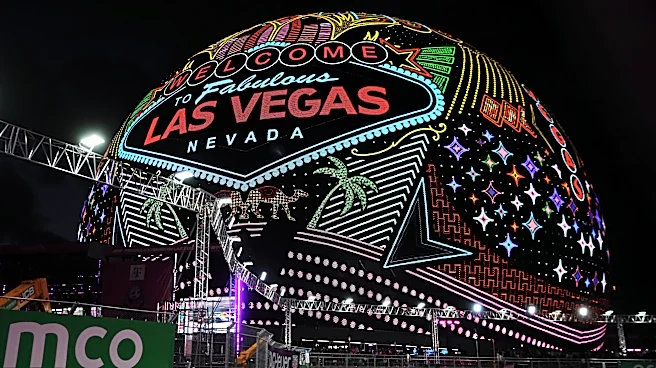
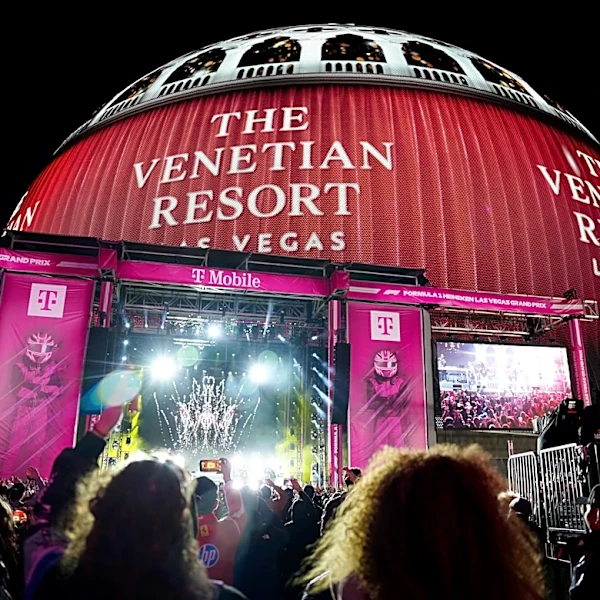
The Las Vegas Grand Prix transcends a typical sporting event, representing a significant cultural and economic phenomenon in the U.S. The integration of a high-stakes international sport like Formula 1 into the iconic Las Vegas Strip symbolizes a fusion of global entertainment and American spectacle. Beyond the immediate race results, the event's strategic challenges underscore the intricate balance between engineering, driver skill, and real-time decision-making that defines modern F1. The circuit's design, which prioritizes entertainment value and unique challenges, reflects a deliberate effort to capture the imagination of a new generation of fans. The high potential for safety cars and red flags adds an element of chance, making the race a metaphor for the unpredictable nature of high-stakes competition. This event is not just about racing; it's about creating a memorable experience that blends sport, technology, and the unique allure of Las Vegas, further cementing F1's place in the U.S. sports landscape.