








What's Happening?
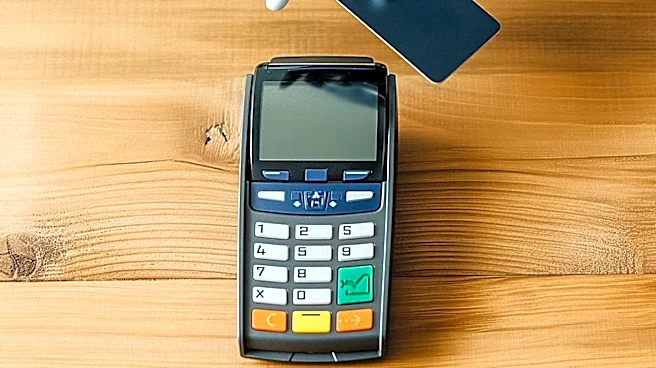
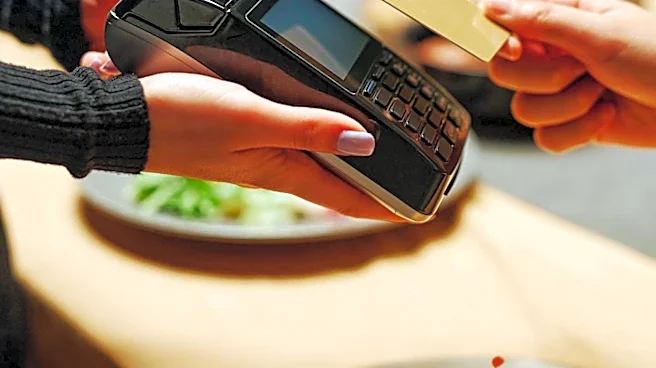
JCBank has launched a new contactless debit Mastercard featuring tap-to-pay technology. This updated card allows customers to complete transactions by simply tapping it at terminals displaying the contactless symbol. The bank states that the new card is designed
for improved durability and convenience. While the card number will remain the same, the expiration date and security code will change, requiring customers to update their information for recurring payments, subscriptions, and digital wallets. For enhanced security, the new card will not include a signature line. To promote the new feature, JCBank is running a contest throughout December 2026, where customers can win up to $100 by using their new contactless debit Mastercard for purchases. One transaction will be randomly selected daily and reimbursed up to $100.
Why It's Important?
The introduction of contactless payment technology by JCBank reflects a broader trend in the U.S. financial sector towards more convenient and secure transaction methods. This shift is significant for consumers as it offers a faster checkout experience and potentially reduces the risk of card fraud, as the physical card does not need to be swiped or inserted. For businesses, adopting contactless payment systems can streamline operations and improve customer satisfaction. The emphasis on security, such as the removal of the signature line, indicates a proactive approach to protecting consumer data in an increasingly digital payment landscape. The promotional contest also serves to accelerate the adoption of this new technology among JCBank's customer base, influencing payment habits and potentially setting new standards for local banking services.
What's Next?
Following the rollout, JCBank customers will need to activate their new cards and update their payment information for any automated services. The bank will continue its promotional contest throughout December 2026, encouraging widespread adoption of the tap-to-pay feature. Other financial institutions in the U.S. are likely to observe the success and customer reception of such initiatives, potentially leading to similar upgrades in their own debit and credit card offerings. The increased use of contactless payments could also drive further innovation in payment infrastructure, with more merchants upgrading their point-of-sale systems to accommodate this technology. The long-term trend suggests a continued move away from traditional payment methods towards more integrated digital and contactless solutions.
Beyond the Headlines
The move towards contactless payments has deeper implications for consumer behavior and data privacy. While offering convenience, it also necessitates a higher level of trust in digital security measures. The shift away from physical signatures highlights an evolving understanding of transaction authentication, moving towards chip-and-PIN or biometric verification. This technological progression could lead to a more seamless integration of banking services into daily life, potentially paving the way for broader adoption of mobile wallets and other digital payment platforms. The increased data generated by these transactions also raises questions about data aggregation and its use by financial institutions, prompting ongoing discussions about privacy regulations and consumer consent in the digital age.