






What's Happening?
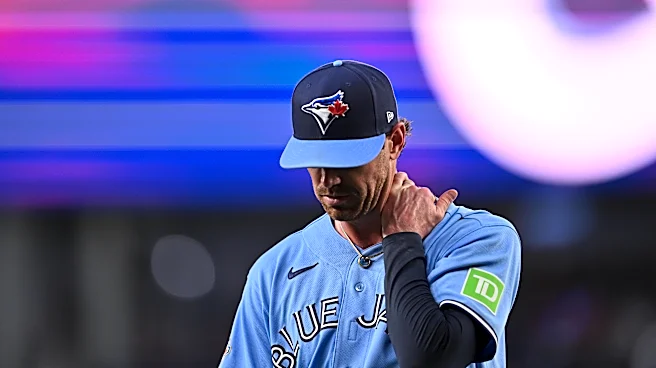
The New York Yankees' decision to not pursue Adrian Morejon, a highly sought-after left-handed reliever, due to financial considerations, has drawn criticism. Morejon ultimately signed a five-year, $115 million deal with the Toronto Blue Jays, setting
a new record for a relief pitcher's total contract value. This move places Morejon, alongside Louis Varland, to form what is now considered one of the best bullpen duos in Major League Baseball. The Yankees' reluctance to commit such a significant financial package is seen by some as a missed opportunity to acquire a player who could have significantly bolstered their championship aspirations. The contract surpasses Edwin Díaz's previous record and features an average annual value of $23 million, making it the highest for a multi-year relief deal.
Why It's Important?
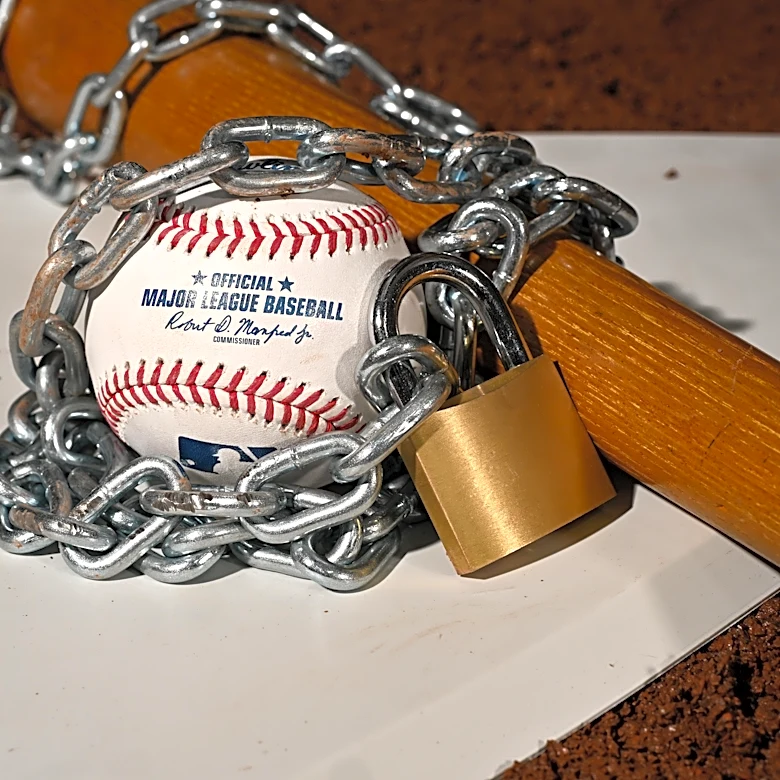
This financial decision by the Yankees carries significant implications for their competitive standing and future roster construction. By not securing Morejon, the Yankees missed out on what many considered to be the top left-handed reliever available, potentially weakening their bullpen depth and late-game options. More critically, Morejon's signing with a division rival, the Toronto Blue Jays, directly strengthens a competitor while leaving the Yankees to contend with an enhanced opponent. This move could impact the balance of power within the American League East. The Yankees, traditionally known for their willingness to spend, appear to be exercising more financial caution, which could signal a shift in their long-term strategy, especially with new financial rules potentially on the horizon. This could affect their ability to attract top-tier free agents in the future.
What's Next?
The Yankees will now need to explore alternative options to strengthen their bullpen, either through trades or by pursuing other available free-agent relievers, though none may offer the same impact as Morejon. The team's front office will face increased scrutiny regarding their financial decisions and their commitment to building a championship-caliber roster. Fans and analysts will closely watch how the Yankees address their bullpen needs in the coming months and whether their current roster can effectively compete against strengthened division rivals. The long-term implications of this decision, particularly concerning future free-agent negotiations and the team's overall payroll strategy, will also be a key point of discussion as new league financial rules are anticipated to take effect.
Beyond the Headlines
The Yankees' decision reflects a broader tension in professional sports between financial prudence and the pursuit of championship glory. While committing over $100 million to a relief pitcher is a substantial investment, the perceived value of such a player to a contending team can be immense. This situation highlights the evolving market for relief pitchers, who are increasingly commanding contracts previously reserved for starting pitchers or position players. The Yankees' restraint could be interpreted in several ways: a strategic shift towards more sustainable spending, a belief that the market for relievers is inflated, or a miscalculation of Morejon's impact. Regardless, it sets a precedent for how one of baseball's wealthiest franchises approaches high-value free agents, potentially influencing other teams' spending habits and the overall player market dynamics in future offseasons.