




What's Happening?
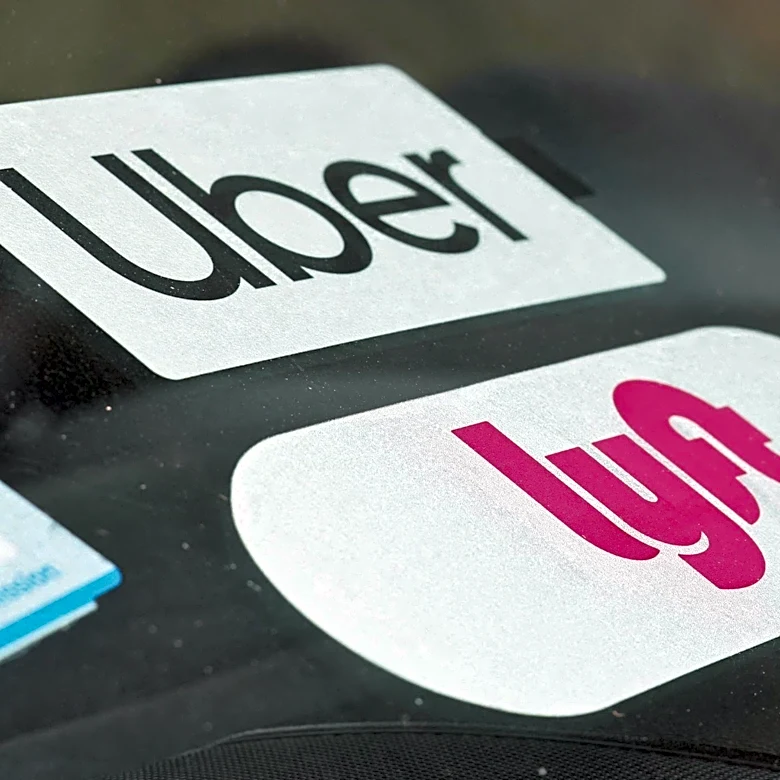
Lyft drivers are reportedly earning more per mile on standard rides compared to Uber drivers, a trend observed since late 2023. Data tracked by Gridwise for the third quarter of 2026 indicates that Lyft drivers averaged $2.87 per mile on standard rides,
while Uber drivers averaged $2.65 per mile. This pay structure contributes to an average gross earning of $24.09 per working hour for rideshare drivers, before accounting for expenses such as gas, car maintenance, insurance, and the 15.3% self-employment tax. Lyft also caps its monthly commission at 30% of rider payments, with any excess being repaid to the driver. The company states its average commission is closer to 14%. Drivers receive upfront fare information for each ride before acceptance, except in specific markets like Washington state, New York City, and Portland, where pay is calculated by minute and mile. Additionally, Lyft offers 100% of tips to drivers, along with potential bonuses through 'Turbo zones' and 'Ride Challenges'.
Why It's Important?
This shift in per-mile pay between Lyft and Uber could significantly impact the rideshare driver market, potentially influencing driver preferences and retention. For drivers, higher per-mile rates on standard rides mean increased gross income, which is crucial given the various operating costs they incur. The cap on Lyft's commission also provides a degree of financial predictability and potentially higher net earnings for drivers who complete many rides. This competitive advantage in driver compensation could lead to more drivers opting to work for Lyft, especially in areas where ride requests are consistent. Conversely, Uber might face pressure to adjust its pay model to remain competitive in attracting and retaining drivers. The financial well-being of rideshare drivers is a critical component of the gig economy, and changes in pay structures directly affect their ability to earn a sustainable income, influencing labor supply and service availability in the rideshare sector.
What's Next?
The competitive landscape between Lyft and Uber regarding driver compensation is likely to continue evolving. If Lyft maintains its lead in per-mile pay for standard rides, it could attract a larger pool of drivers, potentially improving service availability and reducing wait times for passengers in certain markets. Uber may respond by re-evaluating its own driver pay model or introducing new incentives to retain its driver base. Drivers, in turn, may increasingly use both platforms simultaneously to maximize their earnings, accepting rides from whichever service offers better immediate compensation or consistent requests. The ongoing competition could also spur further innovations in driver support, benefits, and platform features as both companies vie for driver loyalty. Regulatory bodies might also monitor these pay structures, especially if there are concerns about fair labor practices or market dominance in the rideshare industry.
Beyond the Headlines
The subtle differences in pay structures between major rideshare platforms like Lyft and Uber highlight the complex economic dynamics of the gig economy. While per-mile pay is a significant factor, drivers also consider other elements such as the frequency of ride requests, bonus opportunities, and the overall support provided by the platform. The reported higher per-mile pay on standard rides for Lyft could indicate a strategic move to capture a larger share of the driver market, especially as the demand for rideshare services continues to grow. This competition also underscores the ongoing debate about the classification of gig workers and the need for transparent and equitable compensation models. The ability of drivers to switch between platforms or use multiple apps simultaneously creates a fluid labor market where companies must constantly adapt their offerings to attract and retain their workforce, ultimately shaping the future of urban transportation and employment.