
What's Happening?
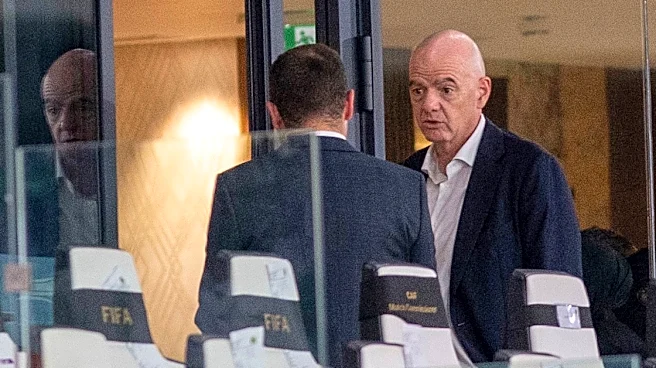
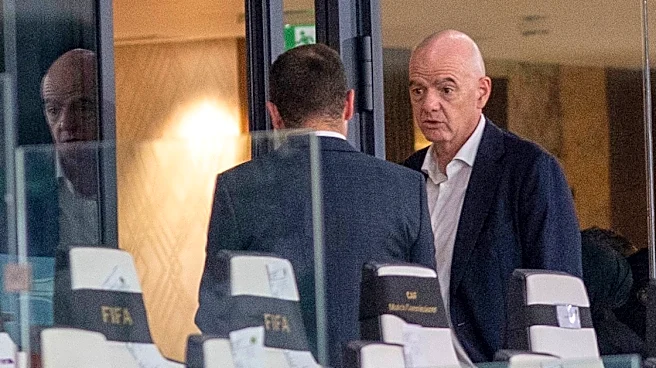
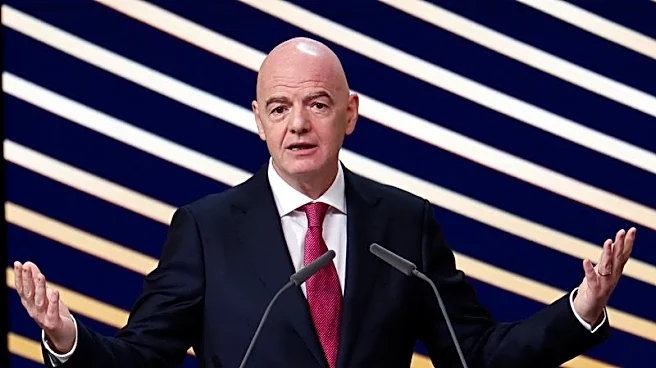
UEFA has reaffirmed its boycott of FIFA tournaments, maintaining its stance against FIFA President Gianni Infantino's leadership following the controversial World Cup stake sale proposal. Despite FIFA's withdrawal of the plan and Infantino's apology,
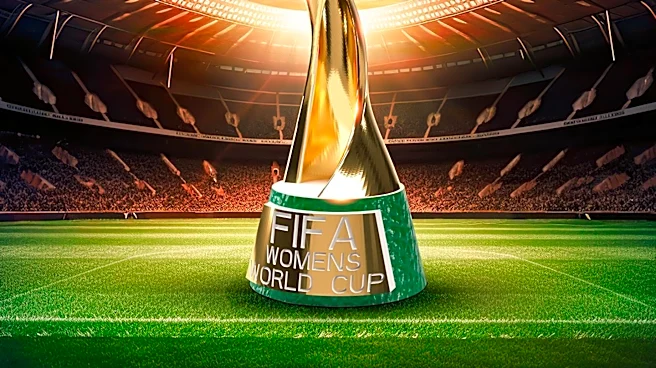
UEFA remains critical, citing a lack of confidence in his presidency. The boycott affects upcoming FIFA events, including the Under-20 Women's World Cup. The Football Association has also withdrawn support for Infantino's re-election, joining UEFA in demanding governance reforms and assurances against future unilateral decisions.
Why It's Important?
UEFA's boycott underscores significant governance challenges within FIFA, highlighting the need for transparency and accountability in decision-making. The situation could impact FIFA's ability to organize and host international tournaments, affecting its reputation and financial stability. The ongoing tension between FIFA and UEFA reflects broader issues in global sports governance, with potential implications for leadership and structural reforms within FIFA. The outcome could influence how international football is managed and commercialized, affecting stakeholders across the sport.
What's Next?
The boycott poses logistical challenges for FIFA, particularly in organizing upcoming tournaments. UEFA's demands for governance reforms may lead to structural changes within FIFA, affecting its future operations. The pressure on Infantino could result in leadership changes, with potential implications for FIFA's governance and decision-making processes. The situation remains fluid, with potential legal actions and further boycotts possible if demands are not met.