





What's Happening?
Plant expert Elin Harryson from Planta suggests that common household and yard waste items can be effectively repurposed as fall mulch in gardens. These materials, which might otherwise be discarded, include shredded paper, cardboard, grass clippings,
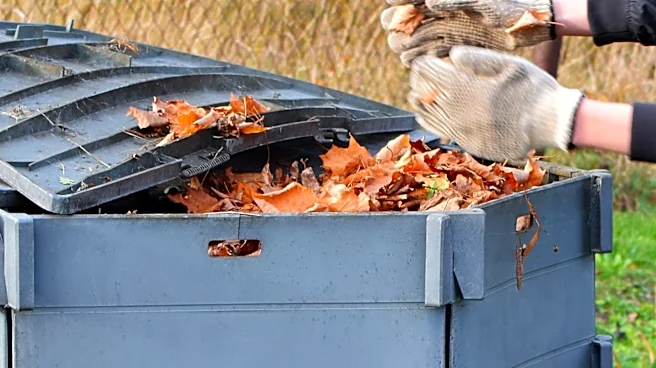
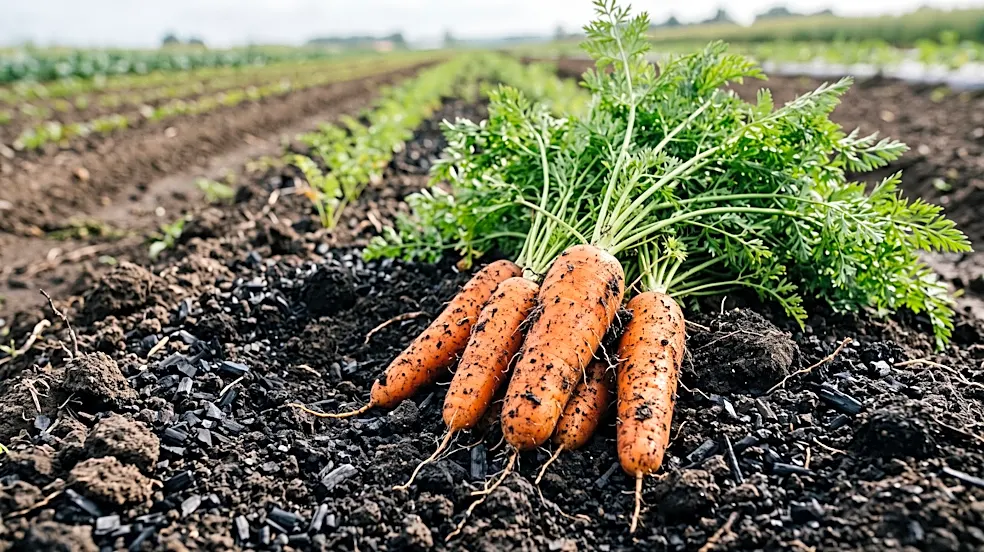
and fallen leaves. The primary purpose of mulching is to cover the soil, thereby slowing moisture loss, reducing weed growth, and protecting the soil surface during the colder months. For instance, biodegradable, non-glossy shredded paper can be used as a surface mulch, helping to block sunlight from weed seeds. Cardboard, with tape and staples removed, is suitable for sheet mulching pathways or preparing new garden beds, as it breaks down while suppressing weeds. Fallen leaves, especially when shredded, provide a free and organic mulch source that enriches the soil. Grass clippings, applied in thin layers, offer nitrogen and break down quickly, benefiting vegetables and annuals, provided they haven't been treated with chemicals.
Why It's Important?
This approach to mulching offers significant environmental and economic benefits for U.S. homeowners and gardeners. By utilizing readily available waste materials, individuals can reduce their contribution to landfills and yard waste bins, promoting a more sustainable lifestyle. Economically, it provides a cost-free alternative to purchasing commercial mulch, saving money while still achieving the desired horticultural outcomes. The practice also enhances soil health by retaining moisture, suppressing weeds, and contributing organic matter as the materials decompose. This can lead to healthier plants and potentially reduce the need for chemical herbicides and excessive watering. Furthermore, it encourages a circular economy mindset at the household level, transforming what would be considered waste into a valuable resource for garden maintenance.
What's Next?
Homeowners are encouraged to begin collecting and preparing these materials as fall progresses to ensure they have an adequate supply for mulching. For shredded paper, it's crucial to use only biodegradable types and to wet them after application to prevent them from blowing away. Cardboard should be laid in one to two layers, sprayed with water, and then covered with heavier materials like wood chips or compost to keep it in place. Fallen leaves should ideally be shredded or mowed over to prevent them from forming a dense, water-repellent layer and to minimize them blowing away. Grass clippings should be applied in thin, one-to-two-inch layers and allowed to dry, with caution exercised if the lawn has been treated with chemical fertilizers or pesticides. Regular reapplication may be necessary as these materials break down over time.
Beyond the Headlines
The promotion of upcycled mulch materials reflects a broader societal shift towards sustainability and resourcefulness in everyday practices. This simple gardening technique underscores the potential for individuals to make a tangible environmental impact through small, consistent actions. Beyond the immediate benefits to gardens, it fosters a greater awareness of waste reduction and the value of repurposing. This trend aligns with growing consumer demand for eco-friendly solutions and could influence product design and waste management strategies in the long term. It also highlights the educational role of plant experts in disseminating practical, sustainable advice that empowers the public to engage in more environmentally responsible behaviors, moving beyond traditional consumption patterns to embrace more circular approaches in household and garden management.