





What's Happening?
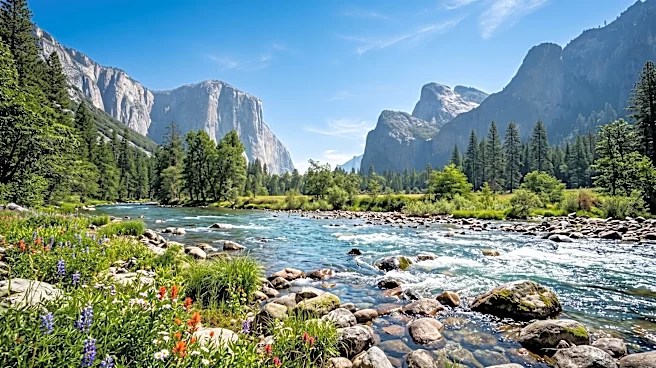
Yosemite National Park is being highlighted as a prime location for shared hiking experiences, emphasizing the personal connections forged on trails. The narrative focuses on the emotional rewards of hiking with others, such as a parent sharing a moment
with their grown child by the South Fork Merced River. It underscores that inviting someone to hike involves trust, especially for those new to trails who might worry about distance, climbs, or slowing others down. The experience is presented as an opportunity for individuals to discover what they enjoy about the outdoors, which might differ from their hiking companions' expectations, like appreciating a meadow over a summit. The article suggests that these shared adventures can lead to deeper understanding and connection between people, making the journey as significant as the destination.
Why It's Important?
This emphasis on shared hiking experiences in Yosemite National Park is important for several reasons. It promotes outdoor activity not just for physical health but also for fostering social bonds and mental well-being. In an increasingly digital world, encouraging face-to-face interaction in natural settings can combat social isolation and strengthen community ties. For the tourism industry, particularly in national parks, highlighting the emotional and relational benefits of hiking can attract a broader demographic, including families and individuals seeking meaningful experiences beyond typical sightseeing. This approach can also encourage repeat visits as people associate these locations with positive personal growth and connection. Furthermore, it subtly advocates for patience and understanding on trails, creating a more inclusive environment for hikers of all experience levels.
What's Next?
The continued promotion of Yosemite National Park as a destination for shared hiking experiences suggests a focus on community engagement and accessible outdoor activities. Park authorities and tourism boards may further develop programs or initiatives that encourage group hikes, guided tours emphasizing personal connection, or educational workshops on trail etiquette and inclusivity. There could be an increase in content marketing that features personal stories and testimonials from hikers, reinforcing the emotional benefits of visiting the park. Additionally, as more people are encouraged to hike together, there might be a greater demand for trails that cater to varying skill levels and offer diverse scenic points, prompting park management to assess and potentially expand or improve trail infrastructure to accommodate this growing interest in shared outdoor adventures.
Beyond the Headlines
Beyond the immediate promotion of hiking, this narrative touches on deeper societal implications regarding human connection and the role of nature in personal development. In a society often characterized by individualism and fast-paced living, the act of inviting someone to hike and sharing a quiet moment in nature can be seen as a counter-cultural act that prioritizes presence and relationship. It highlights the therapeutic power of the outdoors, not just for individual reflection but as a catalyst for empathy and mutual support. The article subtly suggests that the 'trail truth'—learning about a place and each other—is a valuable outcome that extends beyond the physical activity. This perspective could inspire broader discussions about integrating nature-based activities into wellness programs, educational curricula, and community-building efforts, recognizing their profound impact on mental health and social cohesion.