







What's Happening?
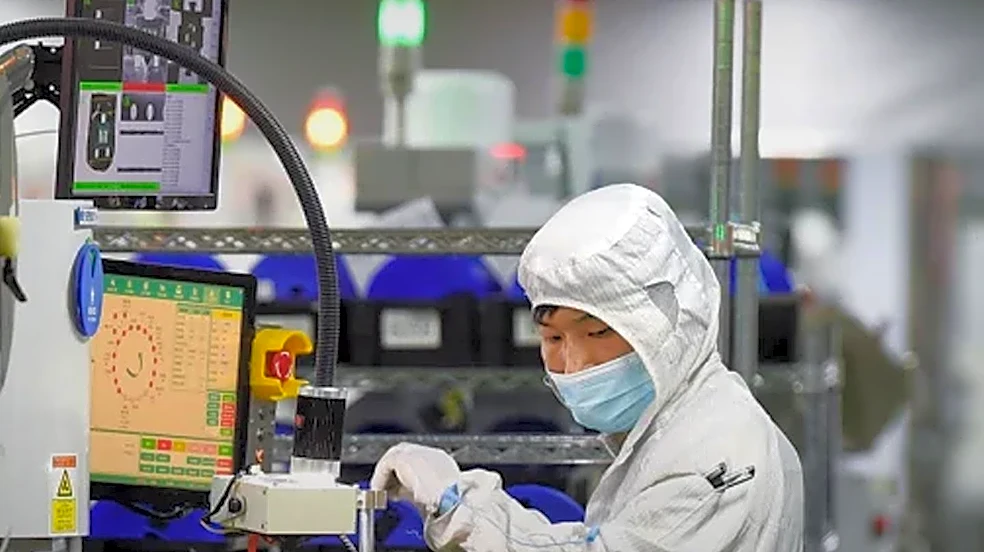
Sanofi is actively recruiting a Technologist for a night shift position in Toronto, Canada, focusing on vaccine manufacturing. This role is a three-year fixed-term contract within Sanofi's global vaccines business unit, which is dedicated to improving
access to life-protecting vaccines and developing new and improved vaccines. The company highlights its R&D-driven, AI-powered biopharma approach, emphasizing cutting-edge science and manufacturing fueled by data and digital technologies. The Technologist will be responsible for executing media, buffer, washing, sterilization, and inoculation preparation activities, as well as assisting in the review of records, SOPs, and logbooks to ensure GMP compliance. The position requires a minimum of a three-year college diploma or a four-year bachelor's degree in relevant scientific fields, along with at least one year of relevant work experience. Sanofi underscores its commitment to innovation, including advancements in mRNA technology, and its goal to transform medicine across infectious diseases, oncology, and rare genetic disorders.
Why It's Important?
This recruitment by Sanofi underscores the growing importance of advanced biopharmaceutical manufacturing capabilities, particularly in the realm of mRNA vaccines and AI-driven drug development. For the U.S. and global healthcare landscape, Sanofi's investment in these areas signifies a strategic push towards more efficient and effective vaccine production and therapeutic solutions. The emphasis on mRNA technology, which gained prominence with COVID-19 vaccines, indicates a continued focus on this modality for future disease prevention and treatment. The integration of AI in Sanofi's R&D and manufacturing processes suggests a broader industry trend towards leveraging artificial intelligence to accelerate drug discovery, optimize production, and enhance overall operational efficiency. This could lead to faster development cycles for new medicines and vaccines, potentially impacting public health outcomes and the economic burden of diseases. The demand for skilled technologists in these specialized areas also highlights a critical need for a workforce capable of supporting these advanced biopharma initiatives.
What's Next?
Sanofi's continued investment in AI and mRNA technology suggests a future where these innovations will play an increasingly central role in its product pipeline and manufacturing strategies. The company is likely to continue expanding its research and development efforts in these areas, potentially leading to new vaccine candidates and therapeutic applications beyond infectious diseases, such as in oncology and rare genetic disorders. The successful recruitment and integration of skilled technologists will be crucial for scaling up production and ensuring the quality and efficacy of these advanced biopharmaceutical products. Furthermore, as Sanofi and other biopharma companies increasingly adopt AI, there will be a growing need for robust regulatory frameworks and ethical guidelines to govern the use of AI in drug development and manufacturing. This trend could also spur further collaborations between pharmaceutical companies, academic institutions, and technology firms to accelerate innovation and address complex health challenges globally.
Beyond the Headlines
The broader implications of Sanofi's focus on mRNA and AI extend beyond immediate product development. This strategic direction reflects a fundamental shift in the biopharmaceutical industry towards more agile, data-driven, and technologically advanced approaches to healthcare. The success of mRNA vaccines during the COVID-19 pandemic has demonstrated their potential for rapid development and deployment, paving the way for their application in a wider range of diseases. The integration of AI, from drug discovery to manufacturing, promises to revolutionize how medicines are conceived, tested, and produced, potentially leading to personalized medicine and more targeted therapies. However, this also raises ethical considerations regarding data privacy, algorithmic bias, and the equitable distribution of advanced medical technologies. The demand for specialized talent in these fields also highlights a growing skills gap in the workforce, necessitating educational and training initiatives to prepare future generations for careers in advanced biopharma. Ultimately, Sanofi's trajectory is indicative of a future where science, technology, and healthcare are increasingly intertwined, offering both immense opportunities and complex challenges.