






What's Happening?
Cash App, a mobile payment service developed by Square, Inc., has introduced the Cash App Wand, a contactless payment accessory designed to facilitate everyday purchases without the need for a phone, wallet, or debit card. This miniature, magic wand-shaped
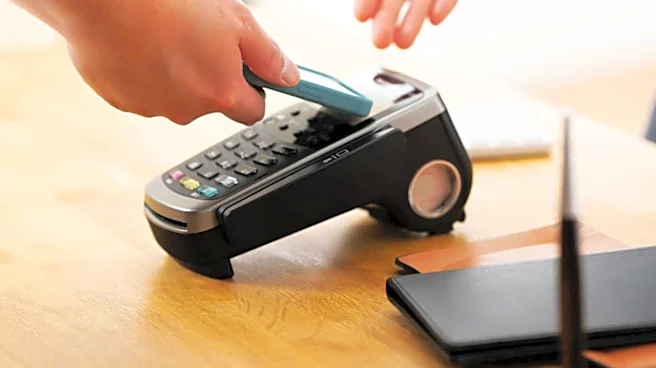
device connects to a user's Cash App Card and utilizes near-field communication (NFC) technology for transactions. Initially launched at $25 in June 2026, the price for Cash App Tags, including the Wand, now starts at $30, with variations based on design. The Wand is battery-free and operates by being held near a compatible payment terminal. It is the first product under Cash App Tags, a collection of portable payment devices aimed at increasing transaction convenience. The accessory is not a standalone financial tool; it functions as an extension of the user's existing Cash App Card, drawing funds from the linked account. Activation is required through the Cash App mobile application, and it is available to eligible users aged 13 and older, including those with parent-managed accounts for younger children.
Why It's Important?
The introduction of the Cash App Wand signifies a strategic move by Cash App to enhance user convenience and expand its ecosystem of payment solutions. By offering a unique, portable, and battery-free payment accessory, Cash App aims to cater to users seeking faster and more discreet transaction methods, particularly in situations where carrying a phone or wallet might be inconvenient, such as during exercise or at phone-free events. This innovation could influence consumer payment habits, potentially increasing the adoption of contactless payments beyond traditional cards and mobile wallets. For Cash App, it represents an opportunity to differentiate its service in a competitive fintech market, attract new users, and deepen engagement with existing ones. The product also highlights a trend towards more diverse and personalized payment form factors, moving beyond the standard card or smartphone interface. The security features, such as independent locking controls for the Wand, are crucial for user trust and adoption, addressing potential concerns about lost or stolen devices.
What's Next?
Cash App plans to expand its Tags collection with additional designs, although specific restock dates for the original Wand are not yet established. Users interested in purchasing the Wand or other Tags should monitor the official Cash App application and website for availability. The company will likely continue to refine its contactless payment offerings based on user feedback and market demand. Future developments could include integration with more merchant systems, expanded international usability, and potentially new features that leverage the unique form factor of the Wand. As contactless payment technology evolves, Cash App may explore further innovations to maintain its competitive edge. Users should also anticipate ongoing updates to security protocols and eligibility requirements for these payment accessories. The success of the Wand could pave the way for other companies to introduce similar novel payment devices, further diversifying the payment landscape.
Beyond the Headlines
The Cash App Wand's playful design, resembling a miniature magic wand, introduces an interesting psychological element to financial transactions. It blurs the lines between a functional payment tool and a lifestyle accessory, potentially making financial interactions feel less transactional and more integrated into daily life. This approach could appeal to younger demographics and those who value novelty and personalization in their tech products. However, it also raises questions about financial literacy, especially for younger users who might perceive it more as a toy than a device that spends real money. The independent locking controls for the Wand, separate from the main Cash App Card, highlight the increasing complexity of managing multiple digital payment instruments and the need for users to understand each device's security features thoroughly. This product could also spark broader discussions about the future of physical payment methods in an increasingly digital world, exploring how companies can innovate beyond traditional cards while maintaining security and user trust.