









What's Happening?
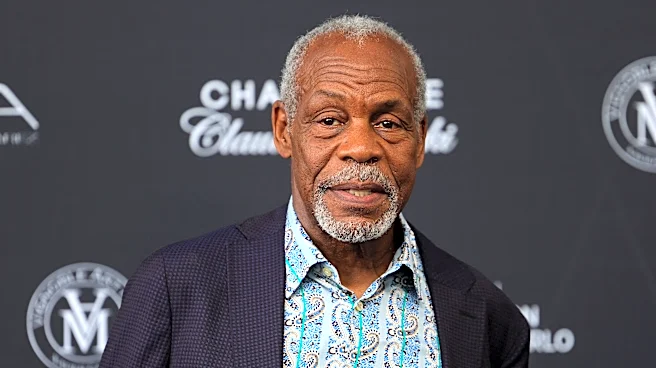
Actor Danny Glover, known for his roles in films such as 'Lethal Weapon,' has publicly revealed his diagnosis with Alzheimer's disease. The announcement was made during a segment on the 'Today' show with Lester Holt. Glover, who is 79 years old, received
the diagnosis shortly after being awarded an honorary Oscar in 2022. During the interview, Glover expressed his determination to live with the condition, acknowledging that as the disease progresses, changes are inevitable. He highlighted the crucial support of his family, particularly his daughter Mandisa, who emphasized the importance of Glover maintaining control over his narrative and life story. Glover also reflected on his career, citing 'Places in the Heart' as his favorite project, and expressed a desire to educate young people about their responsibilities.
Why It's Important?
Danny Glover's announcement brings attention to Alzheimer's disease, a condition affecting millions of people worldwide, including many in the U.S. His openness about the diagnosis can help reduce stigma and encourage others to seek support and information. Glover's emphasis on family support underscores the critical role that caregivers play in managing Alzheimer's, highlighting the emotional and practical challenges faced by families. Additionally, Glover's focus on maintaining control over his narrative may inspire others to advocate for themselves and their loved ones in similar situations. His story also serves as a reminder of the importance of public figures using their platforms to raise awareness about health issues.
What's Next?
As Danny Glover continues to navigate his Alzheimer's diagnosis, it is likely that he will become an advocate for awareness and research related to the disease. His public disclosure may lead to increased media attention and public interest in Alzheimer's, potentially influencing funding and policy decisions related to research and support services. Glover's family, particularly his daughter Mandisa, may also play a more prominent role in public discussions about caregiving and the importance of narrative control for those with Alzheimer's. The entertainment industry may respond by highlighting similar stories, contributing to a broader cultural conversation about aging and cognitive health.