






What's Happening?
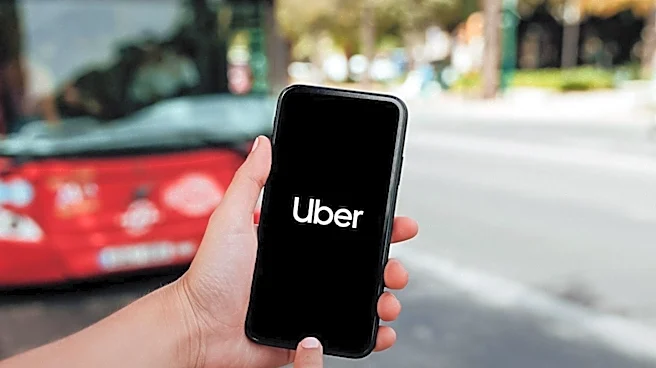
Uber has initiated a pilot program, named Uber Kids, allowing children as young as 10 to use its ride-hailing service without an adult present. This program has been quietly launched in three U.S. cities: Austin, Texas; Nashville, Tennessee; and Madison,
Wisconsin. Uber Kids builds upon the company's existing Uber for Teens service, which caters to passengers aged 13 to 17. The company views this expansion as a strategic move to broaden its customer base, particularly targeting busy families with active children. To ensure safety, the program incorporates mandatory requirements for both parents and drivers. Parents or guardians must order the ride, add the child to their family profile, complete an onboarding process detailing safety features, and be present at the pickup location. They also need to provide a note to the driver explaining the drop-off instructions. Only highly-rated drivers invited by Uber, who have completed an educational module, are eligible to participate. These drivers must also opt into live video streaming, allowing parents to monitor the trip in real-time. Additionally, Uber requires PIN verification for every Uber Kids trip, encrypts all recordings, and utilizes sensors and GPS data to detect any deviations from the planned route or unexpected stops.
Why It's Important?
This expansion into the younger demographic represents a significant strategic move for Uber, potentially unlocking a new and lucrative market segment. By catering to families with children, Uber aims to increase its market share and diversify its service offerings. The success of this pilot program could lead to a nationwide rollout, intensifying competition with existing transportation services like HopSkipDrive and Zum, which already cater to minors. The program's emphasis on safety features, such as live video streaming, PIN verification, and GPS monitoring, is crucial for building trust among parents and addressing concerns related to unaccompanied minors. The additional compensation offered to drivers for Uber Kids trips highlights the company's recognition of the increased responsibility involved and its effort to incentivize driver participation. This initiative could also influence how other ride-hailing and transportation companies approach services for younger passengers, potentially setting new industry standards for safety and parental oversight.
What's Next?
The Uber Kids program is currently a limited pilot, and its future expansion beyond the initial three cities or even into the next year is not guaranteed. Uber will likely evaluate the program's success, driver participation rates, and customer feedback before making decisions about a broader rollout. If successful, the program could be expanded nationwide, potentially leading to increased revenue for Uber and a new transportation option for families. However, Uber will need to continuously address the challenges of convincing drivers to take on the added responsibility of transporting minors, even with increased pay. The company will also need to maintain and potentially enhance its safety protocols to ensure parental confidence. The competitive landscape will also be a factor, as the success of Uber Kids could prompt rivals to develop or expand similar services, leading to further innovation and competition in the market for transporting minors.
Beyond the Headlines
The Uber Kids program raises broader societal implications concerning the evolving nature of parental supervision and children's independence in a technologically advanced world. While offering convenience for busy families, it also prompts discussions about the appropriate age for children to travel unaccompanied and the extent to which technology can replace traditional forms of guardianship. The program's reliance on technology for safety, such as live video streaming and GPS tracking, highlights a growing trend of digital oversight in various aspects of life. This could lead to a re-evaluation of privacy expectations for both children and drivers, as well as the ethical considerations surrounding constant monitoring. Furthermore, the initiative could contribute to a cultural shift where ride-hailing services become a more normalized mode of transportation for younger age groups, potentially impacting traditional school bus systems or carpooling arrangements. The success of Uber Kids could also influence urban planning and transportation infrastructure, as cities adapt to the changing needs of families and the increasing demand for on-demand services for all age groups.