




What's Happening?
Melanie Griffith has been selected as part of the Ireland squad for the 2026 Wheelchair Rugby League World Cup. Ireland is set to compete against Australia for the World Cup bronze medal. This match will take place at the WIN Entertainment Centre in Wollongong,
Australia. The Irish team is looking to conclude their tournament on a high note after reaching the semi-finals for the first time in their history. Australia, having lost their semi-final match to defending champions England, will also be aiming for a podium finish on home soil. The encounter is anticipated to be competitive, with both nations eager to secure a victory in their final game of the tournament. The full Ireland squad includes Oran SPAIN, Cian HORGAN, Bledi SUXHA, Toby BURTON-CARTER, Melanie GRIFFITH, Thomas MARTIN, Phil ROBERTS, Peter JOHNSTON, Joseph CALCOTT, and Jack MANGAN. The Australian squad features Bayley MCKENNA, Diab KARIM, Liam LUFF, Cory CANNANE, Toby POPPLE, Peter ARBUCKLE, Adam TANNOCK, Daniel ANSTEY, and Zac SCHUMACHER.
Why It's Important?
Melanie Griffith's inclusion in the Irish Wheelchair Rugby League squad highlights the growing inclusivity and competitive nature of wheelchair sports on an international stage. For Ireland, reaching the semi-finals and now competing for a bronze medal signifies a significant milestone in their wheelchair rugby league program, potentially inspiring greater participation and support for adaptive sports within the country. The match itself is important for both teams as it offers an opportunity to finish the World Cup with a medal, which can boost national pride and attract further investment in the sport. For individual athletes like Griffith, representing their country at such a high level is a testament to their dedication and skill, providing a platform to showcase their abilities and promote the sport to a wider audience. The event also contributes to the broader narrative of sportsmanship and resilience, demonstrating that physical challenges do not limit athletic achievement.
What's Next?
The immediate next step is the bronze medal match between Ireland and Australia at the 2026 Wheelchair Rugby League World Cup. Following the tournament, both national teams will likely engage in post-tournament reviews to assess their performance, identify areas for improvement, and begin planning for future international competitions. Individual players, including Melanie Griffith, will continue their training and participation in domestic leagues, aiming to maintain their form and secure future selections. The success of the Irish team in reaching the semi-finals could lead to increased funding and development programs for wheelchair rugby league in Ireland, potentially fostering new talent and strengthening the sport's infrastructure. For Australia, securing a podium finish at home would be a significant achievement, reinforcing their position in the sport and potentially leading to further public engagement and support.
Beyond the Headlines
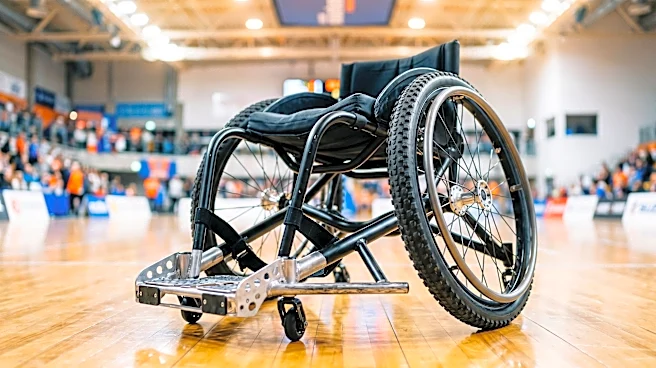
Melanie Griffith's participation in the Wheelchair Rugby League World Cup transcends the immediate sporting event, contributing to a broader societal shift towards greater recognition and celebration of athletes with disabilities. Her role in the Irish squad helps to challenge conventional perceptions of athleticism and promotes a more inclusive view of sports. This visibility can inspire individuals with disabilities to pursue athletic endeavors, fostering a sense of community and empowerment. Furthermore, the international platform of the World Cup brings attention to the specialized equipment, training, and support systems required for adaptive sports, potentially driving innovation in these areas. The narrative of teams like Ireland achieving historic milestones also underscores the importance of perseverance and teamwork, offering valuable lessons that extend beyond the sports arena into everyday life and advocacy for disability rights and inclusion.