




What's Happening?
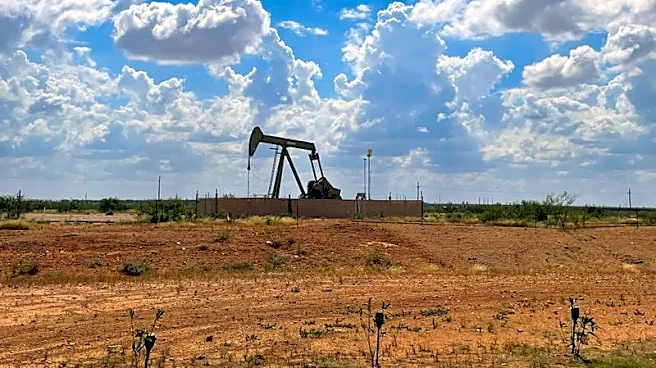
Diamondback Energy has reached an agreement to acquire the equity interest in certain Midland Basin subsidiaries from EnCap Investments-backed Double Eagle. The transaction is valued at $2.15 billion in cash, in addition to approximately 15.56 million
shares of Diamondback common stock. This acquisition is expected to close on December 21, 2026. Double Eagle will retain its remaining assets in Reagan County and plans to continue their development through a multi-rig program. Double Eagle IV and Double Eagle V, the entities involved, are oil and natural gas companies based in Fort Worth, Texas, specializing in the development and production of oil and gas within the Permian Basin. These companies were established in 2022 and 2024 by the management team of their predecessor companies, led by co-CEOs John Sellers and Cody Campbell. Their financial supporters include EnCap, Elda River Capital, Apollo Natural Resources, and Double Eagle management. J.P. Morgan and RBC Capital Markets served as financial advisors to Double Eagle, with Vinson & Elkins providing legal counsel. Jefferies and Goldman Sachs advised Diamondback financially, and Latham & Watkins acted as their legal counsel.
Why It's Important?
This acquisition significantly expands Diamondback Energy's footprint and operational capacity within the Permian Basin, a crucial region for U.S. oil and natural gas production. By integrating Double Eagle's Midland Basin assets, Diamondback Energy is poised to enhance its reserves and production capabilities, potentially leading to increased market share and operational efficiencies. The deal reflects ongoing consolidation trends within the energy sector, where larger players are acquiring assets to optimize portfolios and leverage economies of scale. For Double Eagle, the transaction allows them to monetize a significant portion of their assets while retaining and further developing other key holdings, indicating a strategic portfolio adjustment. The involvement of major financial advisors and legal firms underscores the complexity and strategic importance of such large-scale energy transactions, highlighting the continued investor interest and capital flow into the U.S. oil and gas industry despite broader energy transition discussions.
What's Next?
The closing of the acquisition is anticipated on December 21, 2026, after which Diamondback Energy will begin integrating the newly acquired Midland Basin assets into its existing operations. This integration will likely involve operational planning to optimize drilling schedules, infrastructure utilization, and production targets. Double Eagle will proceed with its multi-rig development program for its retained Reagan County assets, suggesting continued investment and activity in that specific Permian sub-basin. The market will likely monitor Diamondback Energy's performance post-acquisition, looking for signs of increased production, cost efficiencies, and overall financial synergies. The transaction could also signal further consolidation opportunities in the Permian Basin as companies continue to strategically adjust their asset portfolios in response to market conditions and long-term energy outlooks.
Beyond the Headlines
This transaction underscores the enduring strategic value of prime acreage in the Permian Basin, even as the broader energy landscape shifts towards renewables. The substantial cash and stock component of the deal highlights the confidence in the long-term profitability of oil and gas assets in this region. It also reflects the ongoing financial engineering within the energy sector, where private equity-backed entities like Double Eagle develop assets and then divest them to larger public companies. This cycle allows for capital recycling and continuous development of energy resources. The deal's structure, involving both cash and stock, indicates a shared belief in Diamondback Energy's future growth prospects, aligning the interests of both parties. Furthermore, it showcases the continued role of traditional energy sources in meeting global demand, emphasizing the complex transition dynamics within the energy industry.