






What's Happening?
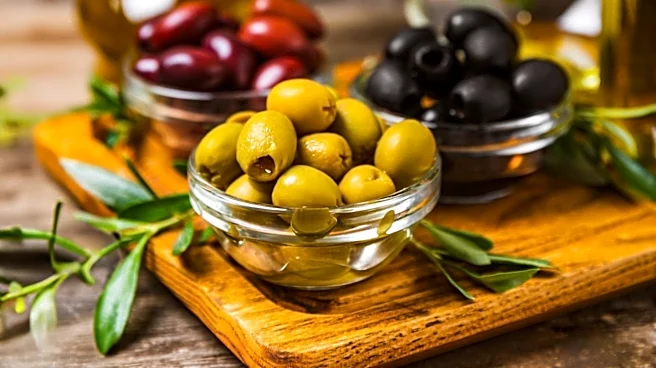
Naturally fermented olives, a staple of the Mediterranean diet, contain lactic acid bacteria, including species from the Lactobacillus and Leuconostoc genera. These bacteria are similar to those found in other fermented foods like yogurt, sauerkraut,
and kimchi. When consumed regularly as part of a diet, these organisms may transiently colonize the gut and interact with resident microbial communities, potentially supporting gut health. The fermentation process also contributes to the olives' nutritional profile, providing heart-supportive monounsaturated fats and a rich array of antioxidant polyphenols. While the specific evidence for fermented olives' probiotic effects is still developing compared to other fermented foods, the general principle that lactic acid fermented foods can modulate gut ecology is well-established in microbiome research. However, it's important to note that not all olives are fermented; industrial processing often uses chemical curing methods that do not produce live cultures.
Why It's Important?
The inclusion of naturally fermented olives in the diet offers a dual benefit: contributing to gut microbiome diversity and providing cardiovascular advantages. The lactic acid bacteria can produce short-chain fatty acids (SCFAs) that nourish colonocytes and support gut barrier integrity, while also competing with potential pathogens. This is significant for overall digestive health and immune function. Furthermore, olives are rich in oleic acid, a monounsaturated fat linked to favorable lipid profiles and reduced cardiovascular risk, and biophenols like hydroxytyrosol, known for their antioxidant and anti-inflammatory properties. These components align with the Mediterranean dietary pattern, which is consistently associated with positive long-term health outcomes, including lower rates of cardiovascular disease. For U.S. consumers, incorporating naturally fermented olives can be a simple way to enhance dietary diversity and potentially improve gut and heart health, especially given the prevalence of processed foods in many American diets.
What's Next?
Consumers interested in maximizing the health benefits of olives should prioritize naturally fermented varieties by carefully reading ingredient labels, looking for terms like 'naturally fermented,' 'traditionally cured,' or 'brine-cured,' and avoiding products listing sodium hydroxide (lye) or other chemical debittering agents. Further research is expected to more specifically delineate the probiotic potential of fermented olives compared to other fermented foods. Individuals with specific health concerns, such as histamine intolerance or those managing blood pressure, should consume fermented olives in moderation due to their natural histamine content and significant sodium levels. Rinsing olives before consumption can help reduce surface sodium. The ongoing emphasis on personalized nutrition, potentially informed by microbiome analysis, will likely guide more tailored dietary recommendations for incorporating fermented foods like olives.
Beyond the Headlines
The distinction between naturally fermented and chemically cured olives highlights a broader issue in the food industry regarding processing methods and their impact on nutritional value. While chemical curing offers speed and consistency for industrial producers, it strips away the beneficial microbial content that traditional fermentation provides. This underscores the importance of consumer education on food production processes and label literacy. The health benefits of fermented olives, particularly their contribution to the gut microbiome and antioxidant intake, align with a growing public interest in functional foods and holistic health approaches. This trend could encourage more food manufacturers to adopt traditional fermentation methods, potentially leading to a wider availability of genuinely fermented products and a shift towards more nutrient-dense food options in the U.S. market.