




What's Happening?
An artificial intelligence analysis of Raphael's painting 'Madonna of the Rose' (Madonna della Rosa), housed in the Museo del Prado in Spain, has revealed that while the majority of the work is by Raphael, the face of Saint Joseph was painted by another
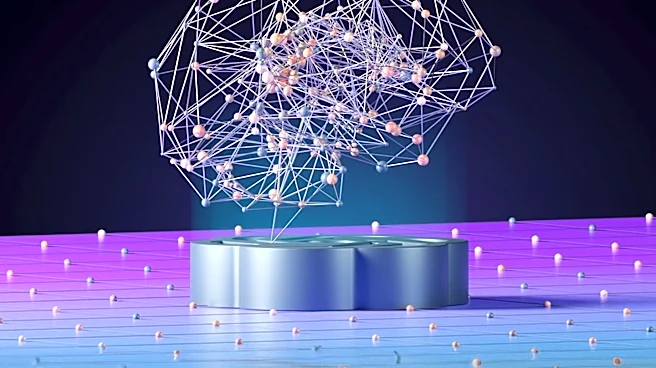
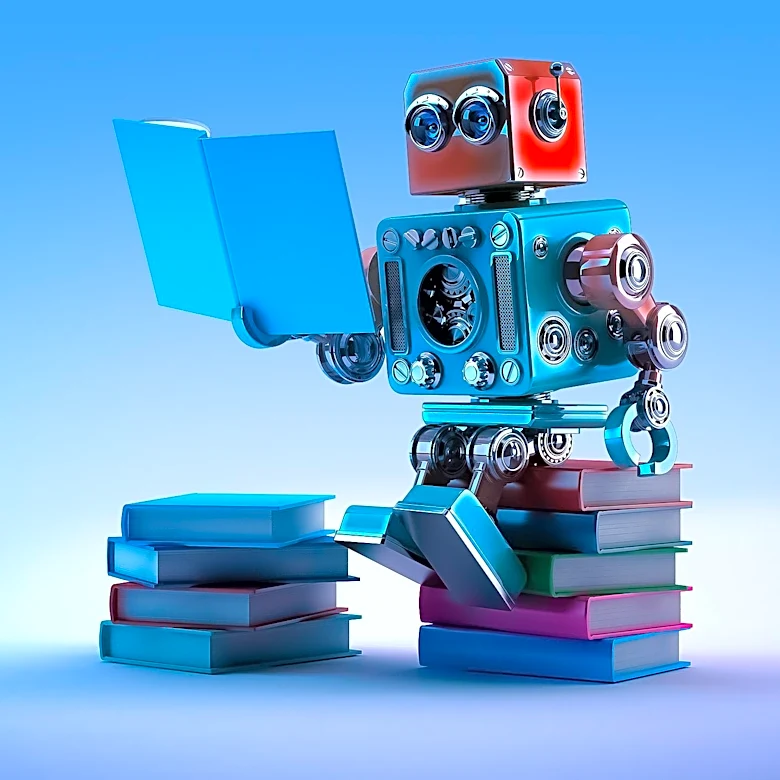
artist. The study, conducted by researchers from the Universities of Nottingham, Bradford, and Stanford, and published in the scientific journal Heritage Science, utilized transfer learning and edge-finding computer procedures. The AI algorithm was trained on authenticated Raphael paintings, enabling it to identify the artist's characteristic brushwork, color, and shading techniques with 98% accuracy. When the entire painting was analyzed, the system could not provide a definitive attribution. However, upon breaking down the image into details, it confirmed that the main figures of Mary, the infant Jesus, and John the Baptist were indeed Raphael's work, but Saint Joseph's face was likely added later by another artist, possibly Giulio Romano.
Why It's Important?
This development is significant for art history and conservation, as it provides new insights into the authorship of a renowned Renaissance masterpiece. The use of artificial intelligence in art authentication offers a powerful, objective tool that can complement traditional art historical methods, potentially resolving long-standing debates about attribution. For the U.S. and global art communities, this technology can enhance the understanding and preservation of cultural heritage, influencing how artworks are studied, conserved, and valued. It also highlights the growing role of AI in humanities research, demonstrating its capacity to uncover details that might be imperceptible to the human eye. This could lead to a re-evaluation of other historical artworks and a broader adoption of AI in art scholarship and the art market.
What's Next?
The findings from this AI analysis are expected to prompt further research and discussion among art historians and conservators regarding 'Madonna of the Rose' and other works of the Renaissance period. While the experts emphasize that AI is a complementary tool and not a replacement for human art historians, its application will likely expand. Future studies may involve applying similar AI techniques to other disputed artworks to clarify authorship and workshop practices. This could lead to new attributions, re-attributions, and a more nuanced understanding of artistic collaborations during historical periods. The integration of AI into art authentication processes will continue to evolve, potentially setting new standards for verifying the authenticity and provenance of artworks in museums and private collections worldwide.
Beyond the Headlines
The application of artificial intelligence in art authentication raises profound questions about the nature of artistic genius, collaboration, and the very definition of an 'original' artwork. If a significant portion of a masterpiece is confirmed to be by the master, but a key element by another hand, how does this alter its perceived value and historical narrative? This technology challenges traditional notions of authorship and highlights the often collaborative nature of historical art production, where workshops and apprentices played crucial roles. Ethically, it prompts discussions about the balance between technological objectivity and human interpretation in the humanities. Culturally, it underscores the ongoing dialogue between science and art, demonstrating how cutting-edge technology can illuminate the past, enriching our understanding of human creativity and its complex manifestations.