



What's Happening?
Major OPEC+ nations have decided to keep their oil production quotas unchanged for November. This decision was made by a sub-group of seven countries, led by Saudi Arabia and Russia, following a monthly video conference. The move is consistent with their existing
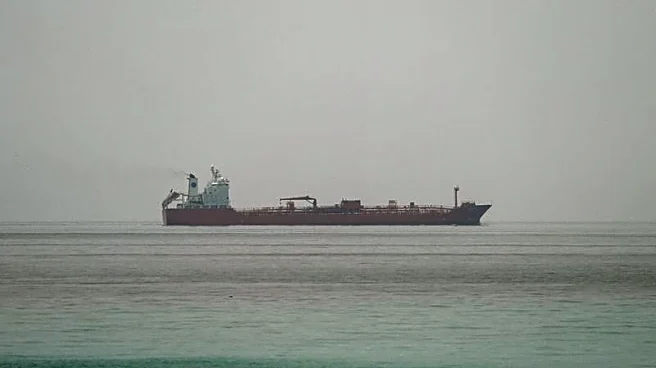
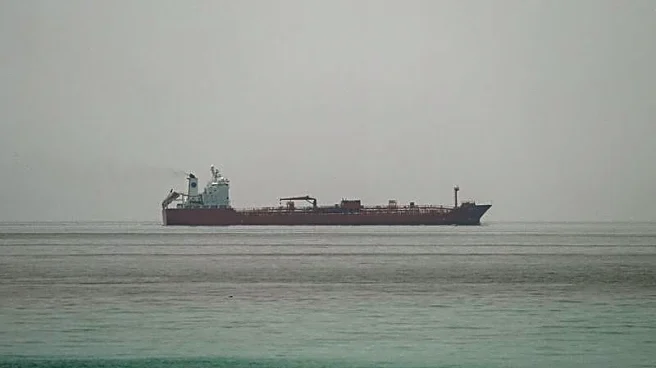
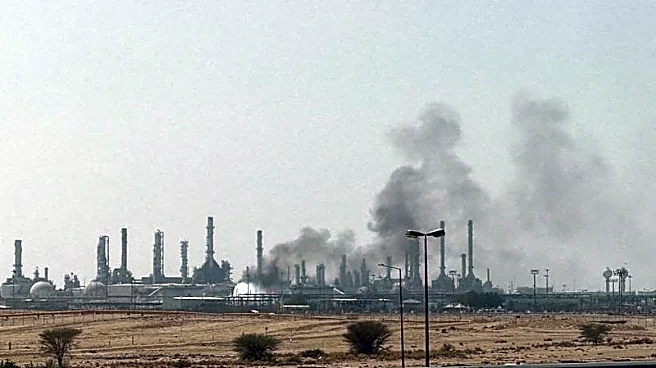
production roadmap and comes as ongoing conflict in the Middle East continues to disrupt a significant portion of the group’s output. Oil futures are reportedly nearing the $100-a-barrel mark, and diesel prices have reached record highs, prompting Group of Seven nations to release emergency stocks. The Organization of the Petroleum Exporting Countries and its allies had previously indicated a pause in production quota increases through the end of the year, following a series of modest increases earlier in the year. The Joint Ministerial Monitoring Committee (JMMC) also met and expressed concern over attacks on energy infrastructure.
Why It's Important?
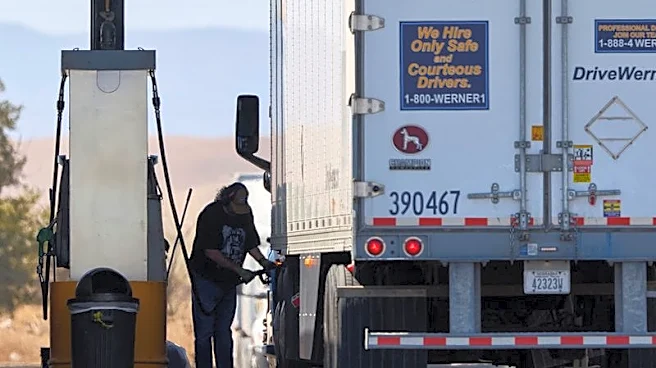
The decision by OPEC+ to maintain current oil production targets has significant implications for global energy markets and the U.S. economy. With supply remaining constrained due to Middle East conflicts and rising global demand, stable production targets could contribute to continued high oil prices. This directly impacts U.S. consumers through increased fuel costs, affecting transportation, goods, and overall inflation. For U.S. industries, particularly those reliant on oil and gas, sustained high prices can increase operational costs and potentially slow economic growth. The situation also highlights the vulnerability of global energy supply chains to geopolitical instability, underscoring the need for diversified energy sources and strategic reserves. The Group of Seven nations' release of emergency stocks indicates the severity of the supply concerns and their potential economic fallout.
What's Next?
The seven-nation sub-group of OPEC+ is scheduled to convene online again on November 1 to finalize plans for December production. A full ministerial meeting on November 29 will determine the policy for the upcoming year. A key decision will involve whether to restore another layer of halted output from 2022, a process that will be influenced by an ongoing audit of members’ production capacity. The Joint Ministerial Monitoring Committee (JMMC) will also hold its next session on November 29. These upcoming meetings will be critical in shaping global oil supply and price trends, with potential ripple effects on international economies and U.S. energy policy.
Beyond the Headlines
The sustained high oil prices and OPEC+'s cautious approach to production reflect deeper structural issues in the global energy landscape. Beyond immediate geopolitical tensions, there's a complex interplay of factors including underinvestment in new oil production capacity, the ongoing energy transition, and the increasing demand from emerging economies. The reliance on a few major producers for global oil supply creates inherent vulnerabilities, making markets susceptible to shocks. This situation could accelerate the push for renewable energy sources and energy independence in countries like the U.S., as a hedge against price volatility and supply disruptions. It also underscores the strategic importance of energy diplomacy and international cooperation in managing global energy security, particularly in times of heightened geopolitical instability.