





What's Happening?
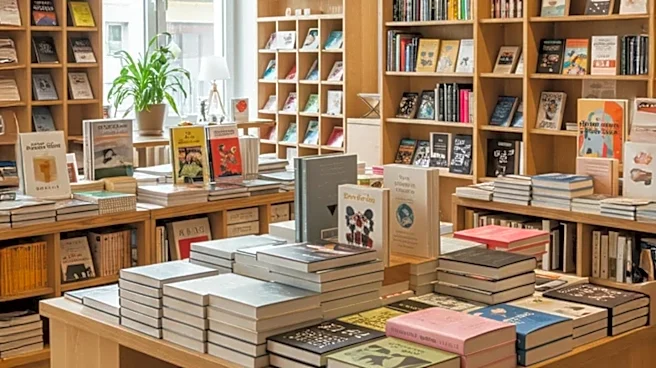
Independent bookstores in the U.S. are experiencing a notable resurgence, with over 600 new shops opening in 2025, marking an 87% increase from the previous year, according to the American Booksellers Association. This growth is particularly evident in genre-specific
stores, such as those focusing on horror, which are multiplying due to a rising interest in the genre. Horror book sales reached 5.1 million last year, up from 3.2 million in 2021, as reported by BookScan. These independent shops are leveraging personalized recommendations and niche events to gain an advantage over larger chains. Cities like Chicago, Philadelphia, Houston, and Phoenix have also seen increased in-person bookstore visits, with Chicago experiencing an approximately 11% jump this year compared to last, as tracked by Placer.ai.
Why It's Important?
The revitalization of independent bookstores signifies a shift in consumer preferences towards more curated and community-oriented retail experiences. This trend provides a boost to local economies and cultural landscapes, offering unique spaces for readers and fostering a sense of belonging. For authors and publishers, the rise of niche bookstores creates new avenues for reaching targeted audiences and promoting diverse literary works. The success of genre-specific stores, particularly in horror and romance, indicates a strong market for specialized content, challenging the dominance of generalist retailers. This growth also highlights the importance of physical retail spaces in an increasingly digital world, demonstrating that personalized service and community engagement can drive foot traffic and sales.
What's Next?
The continued growth of independent bookstores is likely to encourage further specialization and community-focused initiatives. We can anticipate more genre-specific stores emerging, catering to various interests and fostering unique literary communities. Cities and local governments may also recognize the cultural and economic value of these establishments, potentially offering support or incentives for their development. The success of these stores could also influence larger retail chains to adopt more personalized approaches and integrate community events into their business models. The trend suggests a sustained demand for physical books and in-person literary experiences, which could lead to innovations in bookstore design and programming.
Beyond the Headlines
This resurgence reflects a broader societal desire for authentic experiences and local connections. In an era dominated by online shopping and digital content, independent bookstores offer a tangible escape and a hub for intellectual and social interaction. The focus on niche genres also speaks to a fragmentation of cultural tastes and a desire for deeper engagement with specific interests. This trend could have long-term implications for urban planning, encouraging the development of walkable neighborhoods with vibrant local businesses. It also underscores the enduring power of storytelling and the human need for shared cultural spaces, challenging the narrative that physical retail is in terminal decline.