


What's Happening?
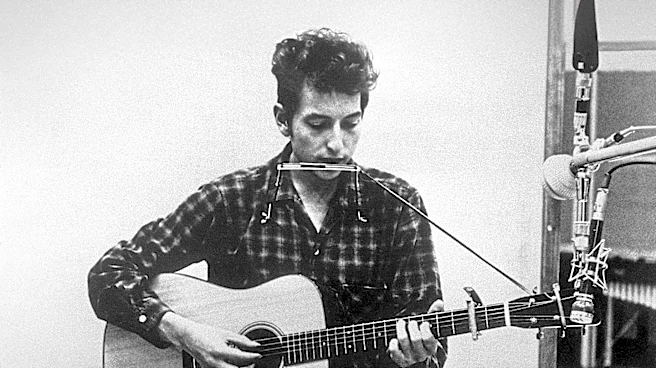
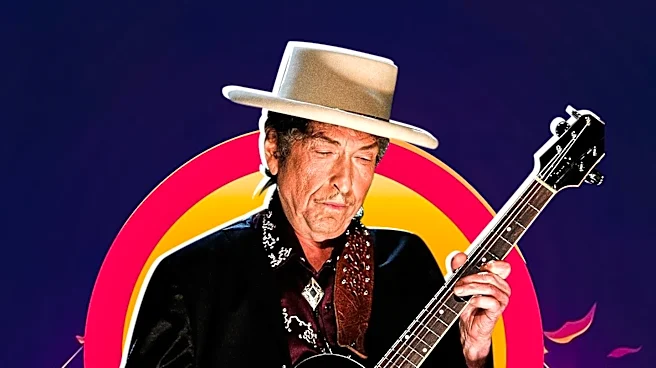
Still Listening Magazine has published a ranked list of Bob Dylan's 25 best songs, a task described as both impossible and controversial due to the artist's extensive and influential discography. The article aims to offer readers a new perspective on Dylan's work,
acknowledging the difficulty in ranking such a prolific artist. Topping the list is 'Idiot Wind,' from his 1975 album 'Blood on the Tracks.' The magazine characterizes 'Idiot Wind' as Dylan's most angry and fierce track, interpreting it as a metaphor for the bitterness and lies exchanged during a relationship's collapse. The nearly eight-minute song is noted for its shift in tone from other tracks on the album, marking a climax of disregard for a partner. Other notable songs discussed include 'Tangled Up in Blue,' which reflects on a breakup and personal stagnation, and 'Subterranean Homesick Blues,' recognized for Dylan's pioneering use of what might be considered the first lyric video and his influential shift to electric music. The list also features 'Desolation Row' and 'Mr. Tambourine Man,' among others, aiming to showcase the breadth of Dylan's genius.
Why It's Important?
This ranking by Still Listening Magazine is significant for several reasons within the music journalism and fan communities. For Bob Dylan's vast fanbase, such a list provides a new point of discussion and potential re-evaluation of his extensive catalog. It can introduce newer listeners to essential tracks and offer seasoned fans a fresh perspective or a chance to debate the selections. The emphasis on 'Idiot Wind' as the top song highlights a particular period of Dylan's career, focusing on his raw emotional expression during a personal crisis, which resonates deeply with many listeners. Furthermore, the article touches upon Dylan's impact on music evolution, particularly his transition to electric music with 'Subterranean Homesick Blues,' underscoring his role as an innovator who encouraged other artists to evolve rather than play it safe. This kind of critical analysis helps to solidify Dylan's enduring legacy as a poet, musician, and cultural icon, influencing generations of artists and continuing to shape the landscape of popular music.
What's Next?
The publication of this list is likely to spark discussions and debates among Bob Dylan enthusiasts and music critics across various platforms, including social media, music forums, and other journalistic outlets. Fans may share their own rankings, agree or disagree with Still Listening Magazine's choices, and delve into deeper analyses of the selected songs and those omitted. This could lead to increased engagement with Dylan's discography, potentially driving listeners to revisit his albums or discover tracks they may have overlooked. Music publications might respond with their own takes or counter-rankings, contributing to a broader conversation about Dylan's most impactful works. For Still Listening Magazine, this feature could enhance its reputation as a source for in-depth music analysis and critical commentary, attracting more readers interested in thoughtful music journalism. The article's focus on specific songs and their lyrical depth may also inspire academic discussions or further critical essays on Dylan's songwriting and its cultural significance.
Beyond the Headlines
Beyond the immediate impact of a song ranking, this article subtly reinforces Bob Dylan's unique position in the pantheon of American music. The description of him as 'your favorite artist’s favorite artist' and a figure who has maintained a sense of mystery despite his fame speaks to his enduring mystique and artistic integrity. The difficulty in ranking his songs, as acknowledged by the author, highlights the subjective yet profound connection listeners have with his work, where each song can hold personal significance. The article also touches on the ethical dimension of interpreting an artist's work, particularly when it's deeply personal, such as the connection between 'Blood on the Tracks' and Dylan's collapsing marriage. While Dylan denies these claims, the public perception and critical interpretation often intertwine the art with the artist's life, raising questions about artistic intent versus audience reception. This ongoing dialogue between the artist, their work, and the audience is a crucial aspect of cultural consumption and critical analysis, demonstrating how art continues to evolve in meaning over time.