
What's Happening?
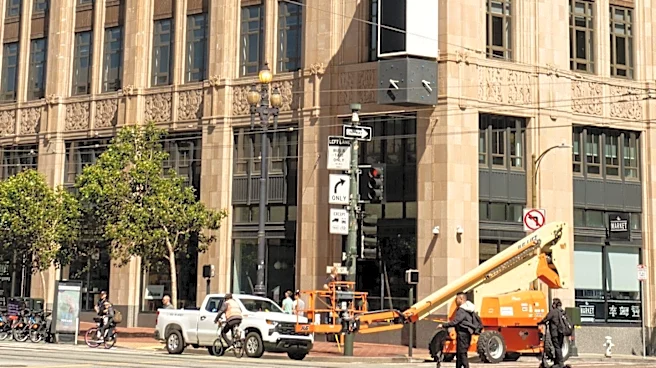
San Francisco is increasingly looking at converting empty and underused office buildings into residential units to combat its severe housing shortage. Historically, such conversions have been economically unfeasible due to high hard costs, often exceeding
$500 per square foot, coupled with acquisition, seismic work, financing, and sales expenses. However, a shift in market dynamics is making these conversions more viable. Downtown office buildings are now trading for less than $400 per square foot, sometimes as low as $300, while finished condominiums in desirable areas can sell for over $1,500 per square foot. This widening price gap creates a potential development margin, making these projects attractive. The city has already taken steps to support these initiatives by relaxing planning requirements, waiving inclusionary and impact fees for qualifying conversions, providing transfer-tax relief, and establishing financing districts. Despite the improved economics, challenges remain, including the complexities of converting gross office square footage to net saleable residential area, and addressing issues like floor-plate depth, windows, elevators, plumbing, and seismic requirements.
Why It's Important?
This trend is crucial for San Francisco, a city grappling with scarce land, high construction costs, and slow approval processes for new housing. The conversion of office spaces into residential units offers a faster and more efficient way to increase housing supply compared to traditional new construction. This initiative could alleviate pressure on the housing market, potentially making homeownership or renting more accessible for residents. For the real estate industry, it represents a significant shift in investment and development strategies, moving away from traditional office space development towards adaptive reuse. Developers who can navigate the complexities of these conversions stand to gain substantial profits, while property owners of struggling office buildings could find a new revenue stream. The success of these conversions could also set a precedent for other U.S. cities facing similar housing and commercial real estate challenges, influencing urban planning and development policies nationwide.
What's Next?
To further facilitate office-to-residential conversions, San Francisco is urged to implement additional measures. These include providing truly by-right conversion approvals, establishing predictable building and fire-code alternatives, continuing inclusionary and impact-fee relief, expediting condominium maps, and ensuring that incentives remain available throughout the construction process. These steps aim to streamline the conversion process and reduce financial uncertainties for developers. The city's focus on condominiums rather than apartments for these conversions suggests a strategy to attract buyers and maximize the financial viability of these projects. The long-term success of this approach will depend on continued collaboration between city officials, developers, and community stakeholders to overcome remaining logistical and regulatory hurdles, ultimately transforming underutilized commercial spaces into much-needed homes.
Beyond the Headlines
The shift towards office-to-residential conversions in San Francisco highlights a broader re-evaluation of urban land use in post-pandemic America. The decline in demand for traditional office spaces, driven by remote and hybrid work models, has left many commercial buildings vacant. This presents an opportunity to reimagine urban centers, transforming them from predominantly commercial districts into vibrant, mixed-use neighborhoods. Beyond addressing housing shortages, these conversions could lead to more sustainable urban development by repurposing existing structures rather than building new ones, reducing construction waste and carbon footprints. Ethically, it raises questions about equitable access to these new housing units and the potential for gentrification if not managed carefully. The long-term impact could be a more resilient and adaptable urban fabric, capable of responding to evolving economic and social needs, and fostering a more integrated city life where living and working spaces coexist harmoniously.