


What's Happening?
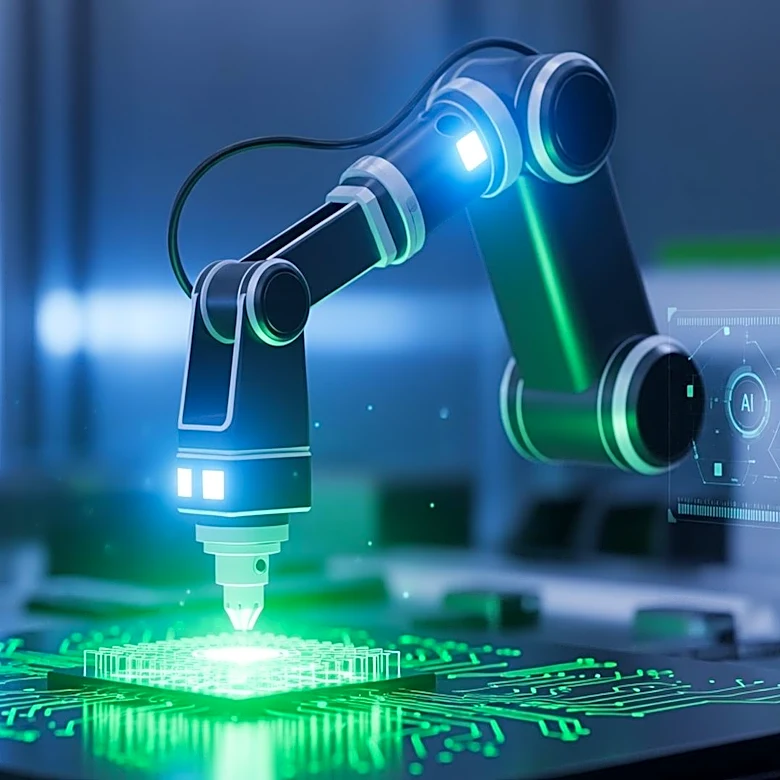
NVIDIA has introduced Halos for Robotics, a comprehensive safety system designed for robotics and physical AI. This system extends NVIDIA's established autonomous vehicle safety protocols to robotics, providing a unified safety architecture for machines
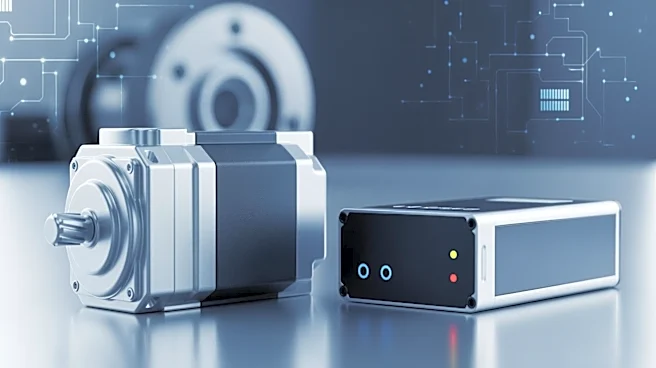
operating in real-world environments. The system integrates NVIDIA IGX Thor and Holoscan Sensor Bridge for AI compute and sensor connectivity, alongside the Halos OS software stack for safety functions. Agility, a leader in humanoid robotics, is the first to incorporate this system into its safety protocols, aiming to enhance automation in factories, warehouses, and logistics. The initiative is part of NVIDIA's broader strategy to standardize safety across AI systems, ensuring that robots can operate safely alongside humans in dynamic industrial settings.
Why It's Important?
The introduction of NVIDIA Halos for Robotics marks a significant advancement in the safety and reliability of AI systems in industrial environments. By providing a standardized safety framework, NVIDIA aims to facilitate the integration of AI-driven robots into various sectors, potentially transforming operations in manufacturing and logistics. This development is crucial as it addresses safety concerns that have been a barrier to the widespread adoption of robotics in industries. Companies like Agility, which are early adopters of this technology, stand to benefit from improved safety standards, potentially leading to increased efficiency and reduced operational risks. The move also positions NVIDIA as a key player in the robotics safety market, potentially influencing industry standards and practices.
What's Next?
NVIDIA plans to expand the availability of Halos for Robotics, with early access already provided to registered developers. The system's components, such as the Halos Core and the open-source Halos Outside-In Safety Blueprint, are available for integration into existing robotics systems. As more companies adopt this technology, it is expected that the safety standards in robotics will become more uniform, facilitating broader adoption of AI in industrial applications. Additionally, NVIDIA's collaboration with certification bodies like TÜV Rheinland and UL Solutions will likely lead to further validation and certification of these safety systems, enhancing their credibility and acceptance in the market.
Beyond the Headlines
The launch of Halos for Robotics could have long-term implications for the robotics industry, particularly in terms of regulatory standards and safety certifications. As AI systems become more integrated into industrial operations, the need for robust safety protocols becomes increasingly critical. NVIDIA's initiative may prompt other companies to develop similar safety frameworks, potentially leading to a more competitive and innovative market. Furthermore, the collaboration with various partners across software, systems, and sensors highlights the importance of a collaborative approach in advancing AI safety, which could set a precedent for future developments in the field.