


What's Happening?
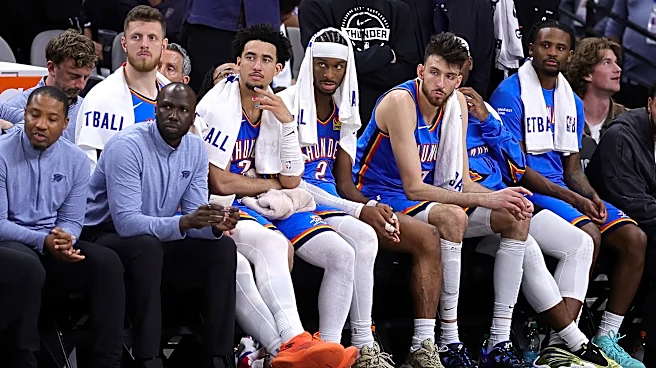
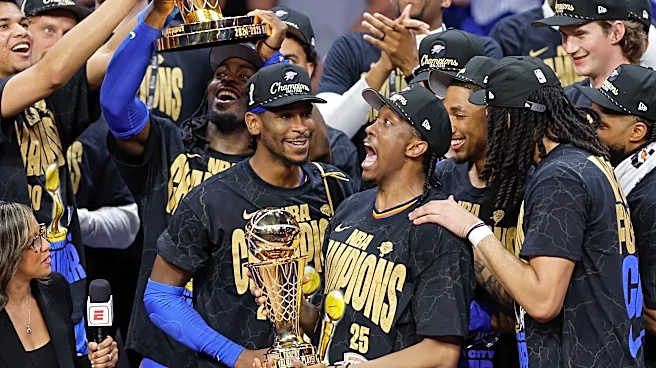
The Oklahoma City Thunder, and its predecessor the Seattle SuperSonics, have historically utilized the NBA draft as a primary method for team development. Over the decades, the franchise has selected numerous players directly through the annual draft or acquired
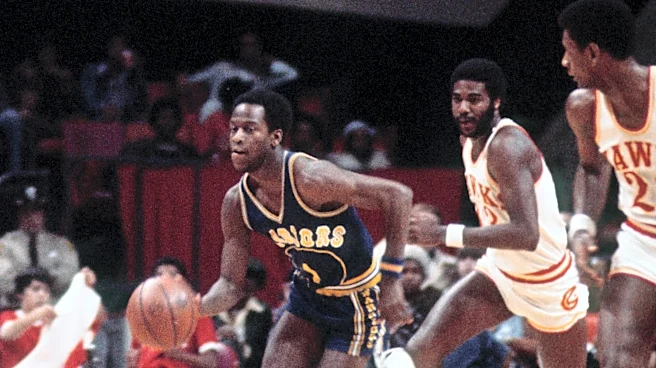
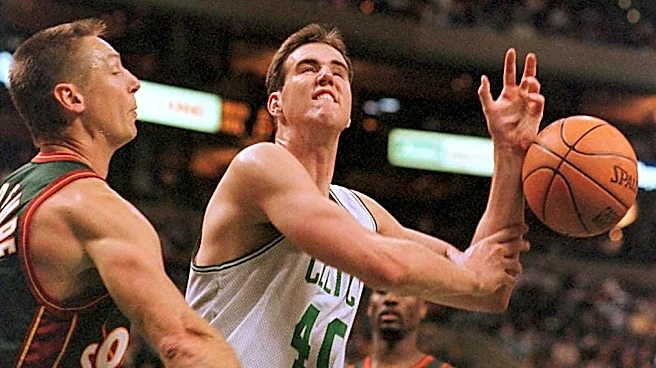
them via draft-day trades. A review of the team's draft history reveals that the University of Kansas has been a notable source of talent for the organization. Among the players drafted from Kansas are Bud Stallworth, a forward selected in the first round (7th overall) of the 1972 NBA Draft, who played two seasons with the team. Adonis Jordan, a guard, was a second-round pick (42nd overall) in the 1993 NBA Draft but did not make the team. Nick Collison, a forward, was a first-round selection (12th overall) in the 2003 NBA Draft and played 14 seasons with the Thunder. Sasha Kaun, a center, was drafted in the second round (56th overall) in 2008 but also did not play for the team. This pattern highlights the Thunder's strategy of casting a wide net for prospects while also frequently drawing from established collegiate programs.
Why It's Important?
The Oklahoma City Thunder's consistent drafting of players from the University of Kansas underscores a common strategy in professional sports: identifying and recruiting talent from successful collegiate programs. This approach can be significant for several reasons. For the Thunder, it suggests a reliance on players who have experienced high-level competition and development within a structured university system, potentially leading to more polished prospects. For the University of Kansas, it reinforces its reputation as a premier basketball program capable of producing NBA-caliber talent, which can aid in future recruitment efforts. This relationship also impacts the broader NBA landscape by illustrating how collegiate programs serve as vital pipelines for professional leagues. The success or failure of these drafted players can influence future draft strategies, affecting which colleges scouts prioritize and how teams allocate their draft capital. Furthermore, the longevity of players like Nick Collison, who spent 14 seasons with the Thunder, demonstrates the potential long-term value derived from successful draft picks from such programs.
What's Next?
As the Oklahoma City Thunder continue to build their roster, their historical drafting patterns suggest they will likely maintain a broad scouting approach while potentially keeping a close eye on established collegiate programs like the University of Kansas. Future NBA drafts will reveal whether this trend of selecting Kansas players continues, especially as new talent emerges from the university. The team's ongoing roster decisions will be influenced by the performance of current players and the availability of promising prospects from various collegiate and international backgrounds. For Kansas, continued success in producing NBA draftees will further solidify its standing as a top-tier program, attracting more high-school recruits. The Thunder's management will continue to evaluate prospects based on their potential fit within the team's evolving system, balancing proven collegiate talent with high-upside prospects from diverse sources. The upcoming drafts will be crucial in shaping the team's future competitiveness and will reflect their continued strategy in talent acquisition.
Beyond the Headlines
The recurring connection between the Oklahoma City Thunder and the University of Kansas in the NBA draft highlights a deeper aspect of sports talent development and professional team building. It reflects the symbiotic relationship between collegiate athletics and professional leagues, where universities act as de facto development leagues. This dynamic raises questions about the influence of college programs on player readiness for the NBA and the scouting philosophies that prioritize certain collegiate environments. The long-term success of players drafted from specific schools can create a perceived 'pipeline' or 'type' of player associated with that institution, potentially influencing future draft decisions across the league. Ethically, it also touches upon the role of universities in preparing athletes for professional careers, balancing academic pursuits with athletic development. Culturally, the narrative of players moving from esteemed college programs to professional teams is deeply ingrained in American sports, shaping fan expectations and team loyalties. This ongoing relationship between the Thunder and Kansas is a microcosm of these broader trends in professional basketball.