



What's Happening?
Queenstown, New Zealand, continues to brand itself as the 'adventure capital' due to its wide array of extreme sports and scenic activities. The city offers unique experiences such as bungee jumping from the original commercial site, the world's first
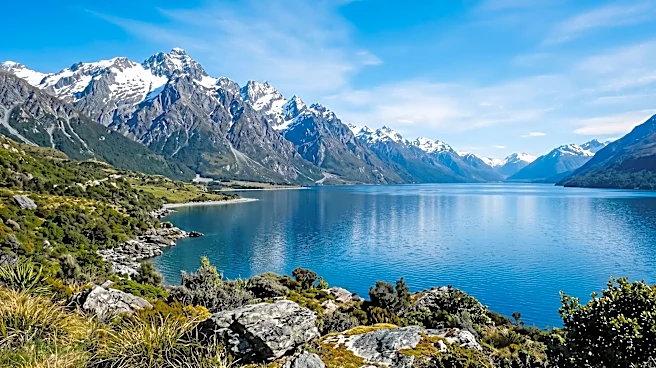
human catapult, and cliff jumps from heights of 60 meters. Additionally, visitors can engage in skydiving over mountainous and lake-filled landscapes from 15,000 feet. Beyond high-adrenaline activities, Queenstown serves as a gateway to more serene adventures, including scenic flights over the glacier-carved valleys of Fiordland National Park. The region also provides diverse accommodation and dining options, making it a central hub for tourists seeking both thrill and natural beauty. Nearby Wanaka is also noted as a good place to stay, though Queenstown offers a broader selection of activities and culinary experiences. A 9-day tour package highlights the region's offerings, including stops in Christchurch, Lake Tekapo, Milford Sound, and Aoraki Mount Cook, with flexible itinerary options to cater to different preferences.
Why It's Important?
Queenstown's sustained focus on adventure tourism significantly impacts New Zealand's tourism industry, drawing a global demographic seeking unique and thrilling experiences. This positioning helps diversify the national economy beyond traditional sectors, creating jobs and stimulating local businesses in hospitality, recreation, and transportation. The city's reputation as an adventure hub also enhances New Zealand's overall brand as a premier destination for outdoor activities, attracting international visitors who might otherwise choose other global destinations. The continuous innovation in adventure offerings, such as the human catapult and extreme cliff jumps, keeps Queenstown at the forefront of the adventure tourism market, ensuring a steady influx of tourists and associated revenue. The integration of scenic tours, like those over Fiordland National Park, broadens its appeal to a wider range of travelers, including those seeking natural beauty alongside adventure.
What's Next?
Queenstown is expected to continue innovating its adventure tourism offerings to maintain its status as a global leader. This may involve introducing new extreme sports activities or enhancing existing ones with advanced technology and safety measures. There will likely be continued development in infrastructure to support the growing number of tourists, including new accommodation options, dining establishments, and transportation services. Marketing efforts will probably focus on promoting the diverse range of activities, from high-octane adventures to tranquil scenic tours, to attract an even broader international audience. Furthermore, there may be an increased emphasis on sustainable tourism practices to preserve the natural landscapes that draw visitors, ensuring the long-term viability of the region's tourism industry. Collaborations with tour operators to create more comprehensive and flexible travel packages, like the 9-day tour mentioned, are also likely to expand.
Beyond the Headlines
The sustained success of Queenstown as an adventure capital highlights a broader trend in global tourism towards experiential travel, where travelers prioritize unique and memorable activities over traditional sightseeing. This shift has implications for how destinations market themselves and develop their tourism infrastructure, moving towards offering immersive and active experiences. The city's ability to blend extreme sports with natural beauty also underscores the growing demand for destinations that offer a multifaceted travel experience. Ethically, the focus on high-risk activities necessitates stringent safety regulations and continuous oversight to ensure visitor well-being, which can set benchmarks for other adventure tourism destinations. Culturally, the influx of diverse international tourists can lead to a more cosmopolitan local environment, while also posing challenges in preserving local heritage and managing environmental impact.