





What's Happening?
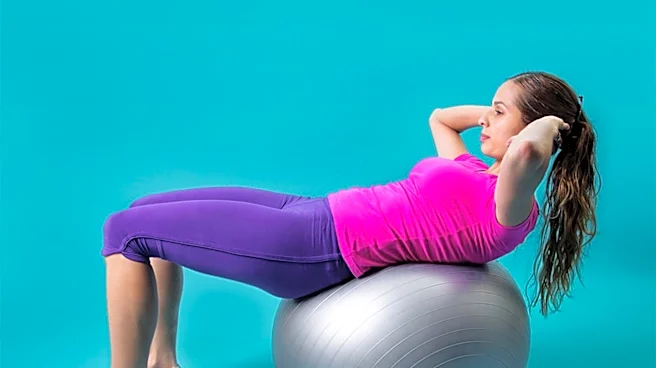
Postpartum fitness focuses on the gradual return to physical activity, emphasizing recovery, balanced nutrition, and core strength. Many women seek to regain their pre-pregnancy abdominal appearance, but the process can be complex due to factors like
excess body fat, loose skin, and diastasis recti—a separation of abdominal muscles. The timeline for recovery varies, with the uterus contracting relatively quickly, while abdominal muscles and skin may take months to recover. Exercise can aid in overall fat loss and muscle tone but cannot selectively remove belly fat. Women are advised to follow healthcare professional recommendations for starting abdominal exercises post-delivery.
Why It's Important?
Postpartum fitness is crucial for the physical and mental well-being of new mothers. It helps in regaining strength, improving body composition, and enhancing overall health. Addressing issues like diastasis recti is important for core stability and posture. Moreover, postpartum mental health is a significant concern, with some women experiencing gaps in care. This highlights the need for better recognition and response to postpartum mental health disorders. A comprehensive approach to postpartum recovery can lead to improved quality of life and reduced risk of long-term health issues.
What's Next?
Women are encouraged to gradually return to physical activity, focusing on core rehabilitation and overall fitness. Consulting healthcare professionals for personalized advice is recommended, especially for those experiencing significant symptoms of diastasis recti. For some, medical or surgical options like tummy tucks may be considered after completing their family. The emphasis should be on health, strength, and realistic body goals rather than immediate physical changes.
Beyond the Headlines
The cultural pressure for women to quickly regain their pre-pregnancy bodies can lead to unrealistic expectations and mental health challenges. It's important to redefine postpartum body goals, focusing on health and functionality rather than appearance. This shift can promote a healthier body image and reduce the stigma associated with postpartum body changes.