


What's Happening?
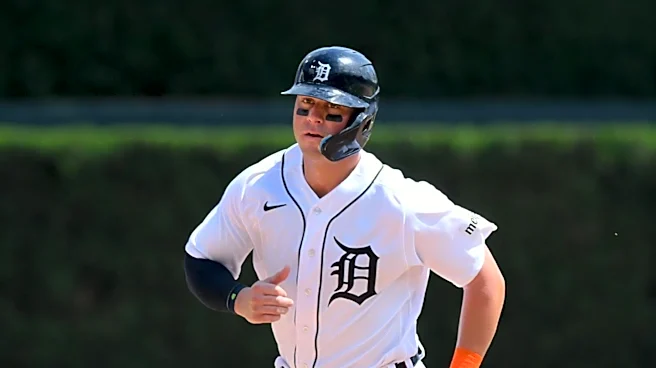
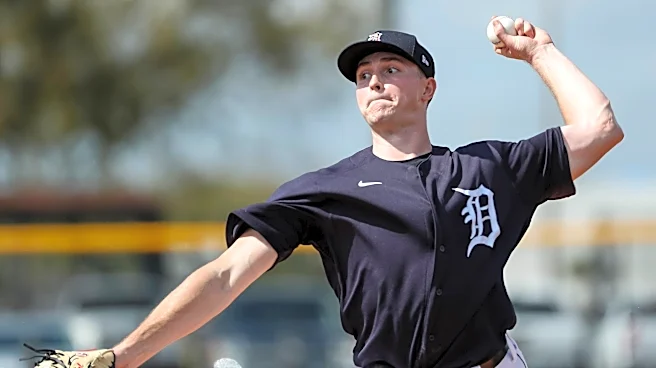
The Detroit Tigers are reportedly considering trading first baseman Spencer Torkelson during the 2026-27 offseason as part of a significant lineup overhaul. Torkelson, the first overall pick in the 2020 MLB Draft, played 159 games in 2026, recording 77
RBI and 26 home runs. This marks a decline in his power output compared to his 31 home runs in both the 2023 and 2025 seasons. Analysts suggest the potential move stems from the team's desire to improve defensive capabilities at first base and create more infield opportunities for younger prospects. The Tigers are looking to reconfigure their internal depth chart and address defensive shortcomings to enhance competitiveness in future seasons. This potential trade signals a departure from the development timeline established by Torkelson's high draft position.
Why It's Important?
This potential trade is significant for the Detroit Tigers as it indicates a strategic shift towards prioritizing defensive versatility and developing new infield talent. Moving Torkelson, a former first-overall pick, would free up the first base position, potentially for Colt Keith, and allow for increased playing time for other infield prospects like Hao-Yu Lee and Max Anderson. This decision reflects the organization's assessment that Torkelson's defensive performance and inconsistent offensive production, despite his power, are not aligning with the team's long-term vision. For fans and fantasy baseball players, this signals major roster changes and a potential re-shaping of the Tigers' competitive strategy, moving away from a core that has not fully gelled as hoped.
What's Next?
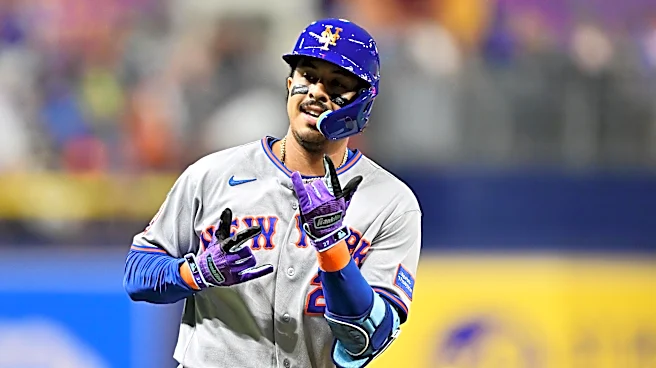
The 2026-27 offseason will be a critical period for the Detroit Tigers as they explore trade options for Spencer Torkelson. If a trade occurs, it would significantly alter the team's daily defensive lineup and infield rotation for the upcoming season. The organization will likely focus on integrating prospects like Colt Keith, Hao-Yu Lee, and Max Anderson into more prominent roles, particularly at first base and across the infield. Other MLB teams, such as the New York Mets, are reportedly monitoring the situation, viewing Torkelson as a potential buy-low candidate to bolster their own rosters. The Tigers' front office will need to weigh Torkelson's remaining two years of club control and his projected $7.7 million salary against the benefits of defensive upgrades and prospect development.
Beyond the Headlines
The potential trade of Spencer Torkelson highlights the inherent pressures and strategic complexities within professional sports, particularly for high draft picks who carry immense expectations. Despite being a first-overall selection, Torkelson's career trajectory underscores that draft position does not guarantee long-term security or consistent performance. This situation also reflects a broader trend in baseball where teams are increasingly willing to move on from highly touted prospects if their development doesn't meet expectations, especially when defensive liabilities or inconsistent offensive output become persistent issues. The Tigers' decision could set a precedent for how they manage future prospects and their willingness to make tough personnel choices to achieve their competitive goals, emphasizing team balance over individual draft pedigree.