



What's Happening?
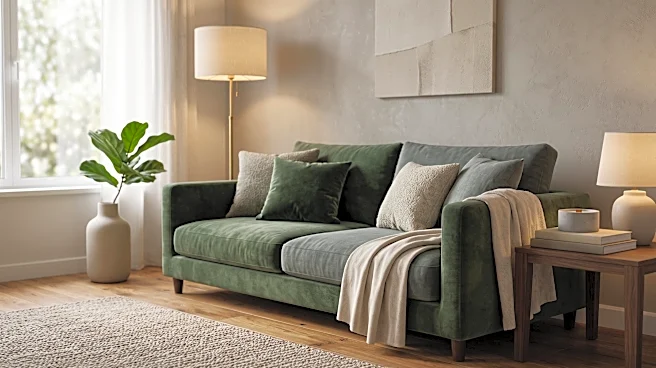
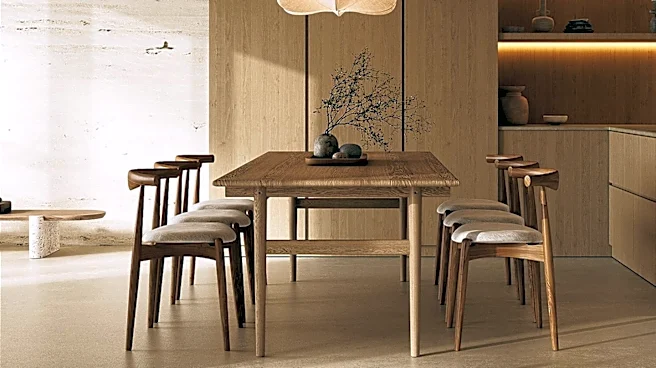
Japandi style, a fusion of Japanese minimalism and Scandinavian functionality, is gaining prominence in home decor. This design aesthetic emphasizes organic textures, warm wood tones, and clean lines, creating a calm and elegant atmosphere. Key characteristics
include the use of natural materials like solid wood, linen, wool, paper, stone, and ceramic. The color palette typically features soft neutrals, warm greys, and earthy tones, often with a single deep accent color like charcoal or forest green. Furniture tends to be low-profile, and lighting is layered to create a soft, warm glow. The style prioritizes simplicity, functionality, and uncluttered spaces, aiming for visual silence and a sense of character without being overly decorative. This approach is being applied across various rooms, from bedrooms to dining areas, and even in furniture transformations, such as with IKEA MALM dressers using natural oak panels.
Why It's Important?
The rise of Japandi style reflects a broader shift in consumer preferences towards more mindful and sustainable living. In the U.S., where fast-paced lifestyles often lead to cluttered environments, this aesthetic offers a sanctuary of calm and order. Its emphasis on natural materials and durability aligns with growing environmental consciousness and a desire for long-lasting, quality pieces over disposable trends. For the home furnishings industry, this means an increased demand for products that embody these principles, from furniture manufacturers to paint and decor suppliers. The style's versatility allows it to integrate into various home types, from modern to traditional, making it accessible to a wide demographic. Furthermore, its focus on functionality and efficient use of space can be particularly appealing in urban areas where living spaces may be smaller, promoting a sense of spaciousness and tranquility.
What's Next?
The continued adoption of Japandi style is likely to influence product development and marketing strategies within the U.S. home decor market. Manufacturers may increasingly offer furniture and decor items that feature clean lines, natural wood finishes, and muted color palettes. Retailers might curate collections specifically designed to cater to this aesthetic, emphasizing sustainability and craftsmanship. Interior designers will continue to incorporate Japandi elements into their projects, offering clients spaces that are both aesthetically pleasing and conducive to well-being. Educational content and DIY resources promoting Japandi principles, such as decluttering and thoughtful material selection, are also expected to grow, empowering homeowners to implement this style themselves. The trend could also see further evolution, potentially integrating with other design movements while maintaining its core tenets of simplicity and natural harmony.
Beyond the Headlines
Beyond its aesthetic appeal, Japandi style carries deeper cultural and psychological implications. Its roots in Japanese minimalism (Wabi-Sabi) and Scandinavian functionality (Hygge) promote a philosophy of appreciating imperfection, finding beauty in simplicity, and fostering comfort and well-being. In a society often driven by consumerism and constant stimulation, Japandi encourages a more intentional approach to living, where every object serves a purpose or brings joy. This can lead to a reduction in material possessions and a greater appreciation for quality over quantity. The style's focus on natural light and organic elements also connects individuals to nature, which has proven benefits for mental health. Ethically, the emphasis on durable, natural materials can support more sustainable production practices and reduce waste, aligning with broader environmental goals. Culturally, it represents a harmonious blend of Eastern and Western design philosophies, suggesting a growing global appreciation for cross-cultural influences in everyday living.