




What's Happening?
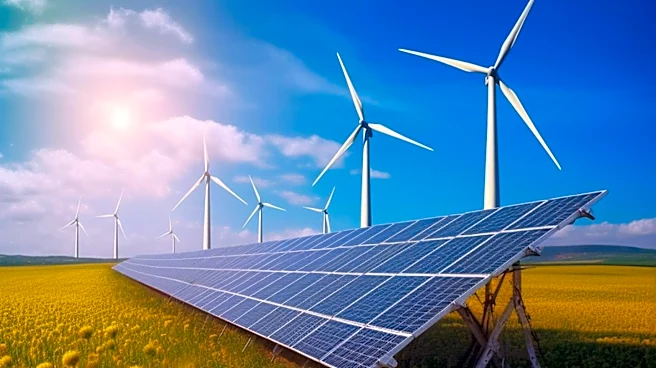
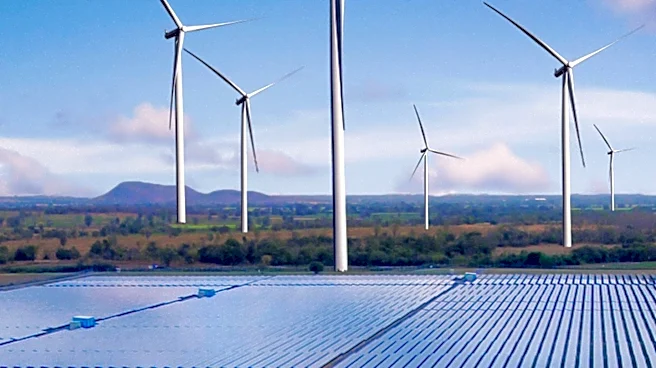
Beko has released its 2025 Integrated Report, showcasing significant progress in sustainability efforts. The report details achievements in energy efficiency, waste recycling, and renewable energy capacity. Beko's factories have saved substantial energy and reduced
CO2 emissions, with waste recycling reaching 98.6%. The company has also increased its renewable energy capacity and aims for 100% green electricity by 2030. Beko's manufacturing facilities have been recognized by the World Economic Forum's Global Lighthouse Network for their sustainable practices. The company continues to expand its smart factories and use recycled materials in its products.
Why It's Important?
Beko's commitment to sustainability is a significant step in the global push towards reducing industrial carbon footprints. By achieving high levels of energy efficiency and waste recycling, Beko sets a benchmark for other companies in the industry. The recognition by the World Economic Forum underscores the importance of sustainable manufacturing practices in achieving global climate goals. Beko's efforts contribute to the broader movement towards a circular economy, where resources are reused and waste is minimized. This approach not only benefits the environment but also enhances Beko's brand reputation and market competitiveness.
What's Next?
Beko plans to continue its sustainability journey by expanding its network of smart factories and increasing the use of renewable energy. The company aims to achieve 100% green electricity across all manufacturing sites by 2030. Beko's focus on decarbonization and digitalization will likely drive further innovations in sustainable manufacturing. As the world prepares for COP31, Beko's transparent reporting and measurable progress could influence other companies to adopt similar practices. The company's ongoing efforts will be crucial in meeting international sustainability standards and contributing to global climate action.