






What's Happening?
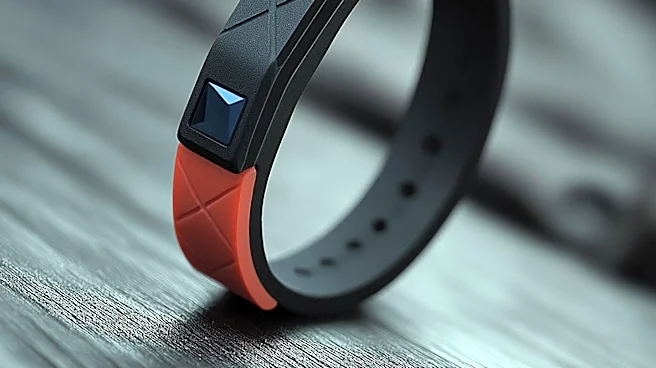
Google has unveiled the Fitbit Air Special Edition Pokémon Sleep, a new wearable device designed to combine advanced sleep tracking with the interactive experience of the Pokémon Sleep app. This special edition tracker, celebrating Pokémon's 30th anniversary,
aims to make building consistent sleep routines more engaging. The device, crafted to be lightweight and comfortable for 24/7 wear, features a 'Sleepy Blue' colorway and a custom silk print of Sleeping Pikachu on the strap. It integrates with Google Health to track light and deep sleep stages, providing clear, actionable guidance and personalized tips through the Google Health Coach. Every purchase includes a 3-month trial of Google Health Premium for deeper insights. When connected to the Pokémon Sleep app, the device's sleep activity, including overnight sleep and naps, unlocks interactive rewards. The app syncs with Fitbit Air via Health Connect on Android or Apple Health on iOS, using sleep duration stats to fuel the game. Users can gather Pokémon with similar sleep types around Snorlax, research their sleeping styles, and befriend new helper Pokémon. The device calculates 'Drowsy Power' based on sleep score and Snorlax's strength, which in turn helps discover more Pokémon and rare sleep styles.
Why It's Important?
This product launch signifies a growing trend in the U.S. health and technology sectors: the gamification of personal wellness. By integrating the popular Pokémon franchise with sleep tracking technology, Google aims to motivate a broader demographic, particularly younger users and fans of the franchise, to prioritize sleep health. This approach could lead to increased adoption of sleep tracking devices, potentially improving public health outcomes related to sleep deprivation, which is a significant issue in the U.S. The personalized tips and actionable guidance offered through Google Health Coach could empower individuals to make data-driven decisions about their sleep habits. For Google, this represents an expansion of its health and wearable technology ecosystem, leveraging a beloved intellectual property to enhance user engagement and market share. The collaboration also highlights the potential for cross-industry partnerships between tech giants and entertainment companies to create innovative health solutions. The focus on comfort and seamless integration with existing health platforms like Health Connect and Apple Health aims to reduce barriers to consistent usage, making sleep tracking more accessible and less intrusive for everyday users.
What's Next?
The Fitbit Air Special Edition Pokémon Sleep will be available for preorder immediately, with shipping commencing on September 15. Consumers can purchase the device online and in-store at the Google Store and Target for $130. Following the launch, Google will likely monitor user engagement and health data to assess the effectiveness of the gamified approach to sleep hygiene. Future iterations or similar collaborations could emerge if this product proves successful in motivating users to improve their sleep. The integration with the Pokémon Sleep app suggests ongoing updates and new in-game content to maintain user interest. The success of this product could also influence other tech companies to explore similar gamified health solutions, potentially leading to a new wave of interactive wellness devices in the market. Additionally, the 3-month trial of Google Health Premium included with the purchase aims to onboard users into Google's premium health services, potentially converting them into long-term subscribers and expanding Google's revenue streams in the health tech sector.
Beyond the Headlines
The introduction of the Fitbit Air Special Edition Pokémon Sleep touches upon the evolving relationship between technology, health, and entertainment. This product exemplifies the 'quantified self' movement, where individuals use technology to collect and analyze data about their daily lives, including sleep. The gamification aspect, while potentially beneficial for motivation, also raises questions about the psychological impact of turning health metrics into a game. There's a fine line between encouraging healthy habits and creating a new source of anxiety, especially if users become overly focused on achieving 'perfect' sleep scores within the game. The concept of 'orthosomnia,' where the pursuit of perfect sleep data leads to anxiety, is a relevant consideration. Furthermore, the collection of extensive sleep data by tech companies like Google raises privacy concerns regarding how this sensitive health information is stored, used, and protected. The long-term implications for user behavior and mental well-being in a world where every aspect of life is increasingly tracked and gamified warrant further ethical and psychological examination.