



What's Happening?
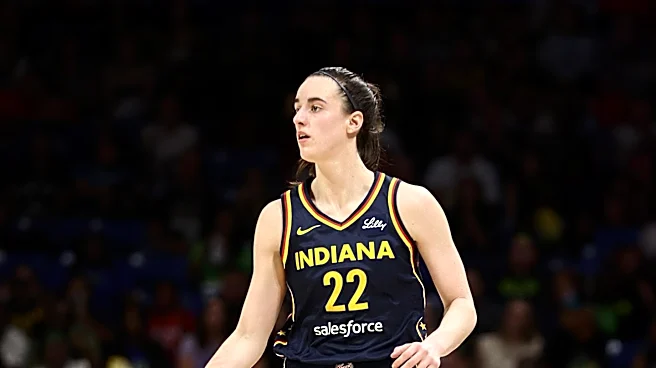
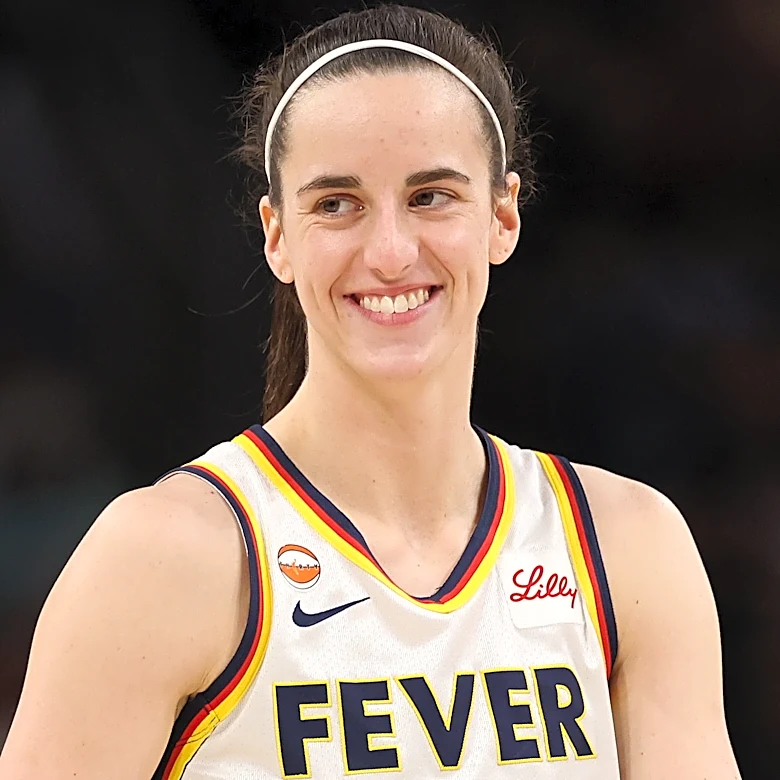
ESPN analyst Monica McNutt has voiced her perspective on Indiana Fever guard Caitlin Clark's role as an advocate within the WNBA. McNutt, speaking on 'The Pivot' podcast, acknowledged Clark's significant impact on women's basketball but suggested there
is 'room for a little bit more accountability and self-awareness' regarding her position in the league's 'larger sisterhood.' McNutt specifically referenced Clark's exit interviews, noting that while Clark did condemn things she doesn't support, McNutt had not frequently heard such vocal stances from her. McNutt, a 37-year-old Black woman from Prince George's County, shared her personal background to explain her perspective, suggesting that Clark, at 24 and from the Midwest, might take time to find her voice on complex topics. McNutt emphasized the importance of athletes not allowing their likeness to be used for causes they oppose, expressing a desire for Clark to further address issues that impact her teammates.
Why It's Important?
McNutt's comments highlight an ongoing discussion within the WNBA and broader sports media about the responsibilities of high-profile athletes, particularly those who bring significant new attention to a league. Caitlin Clark's immense popularity has undeniably elevated the WNBA's visibility, drawing new fans and media scrutiny. However, this increased spotlight also brings expectations for athletes to engage with social and cultural issues. McNutt's critique suggests that while Clark's on-court performance and popularity are celebrated, there's a perceived gap in her public advocacy on certain matters, particularly those affecting her teammates and the league's diverse demographic. This conversation underscores the evolving role of athletes as public figures and the pressures they face to use their platforms beyond their sport, potentially influencing how other prominent athletes navigate their public image and social responsibilities.
What's Next?
The discussion initiated by Monica McNutt may prompt further dialogue among WNBA players, media personalities, and fans regarding the expectations placed on star athletes like Caitlin Clark. Clark herself has previously stated her disapproval of people using her name to push agendas, indicating a desire to control her narrative. It remains to be seen if Clark will publicly address McNutt's specific comments or if her future public statements and actions will reflect a more pronounced stance on social issues within the league. This ongoing conversation could influence how Clark is perceived by various segments of the WNBA fanbase and potentially shape her approach to media interactions and advocacy moving forward. Other athletes may also weigh in, contributing to a broader discussion about leadership and solidarity within professional sports.
Beyond the Headlines
This situation delves into the complex intersection of sports, identity, and social responsibility. Caitlin Clark, as a white female athlete who has rapidly become the face of the WNBA, is navigating a league with a rich history of activism, particularly among its predominantly Black players. McNutt's comments implicitly touch upon the idea of allyship and the expectation for those with significant platforms to speak out on behalf of marginalized groups, even if those issues do not directly affect them. The 'sisterhood' McNutt refers to suggests a collective responsibility among WNBA players to support one another and address systemic issues. This dynamic highlights potential generational and cultural differences in how athletes perceive their roles in social discourse, and it could contribute to a broader re-evaluation of how sports figures engage with sociopolitical topics in an increasingly scrutinized public sphere.