




What's Happening?
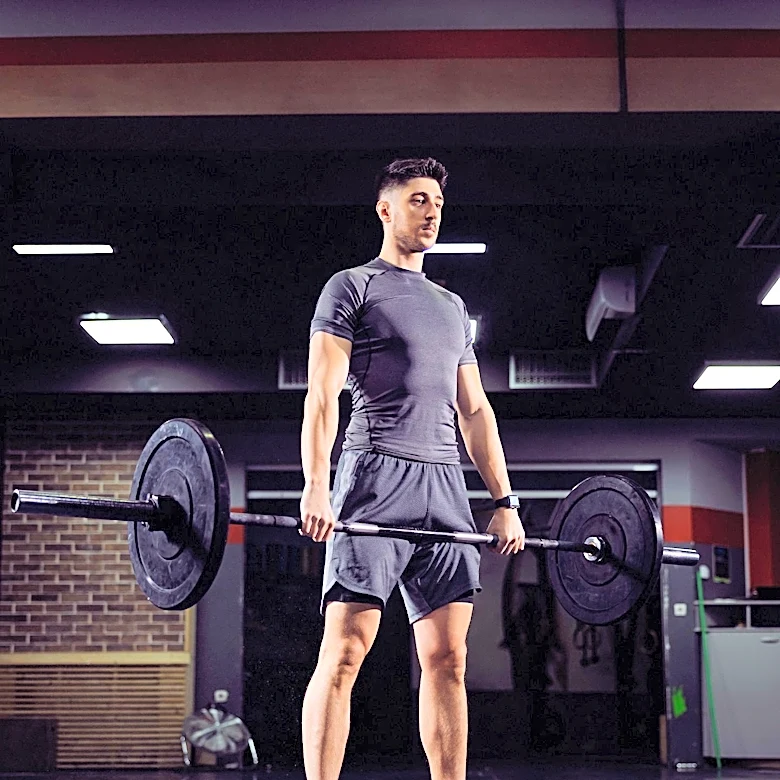
Effective home workouts require consistent effort and strategic planning, according to recent fitness guidance. To achieve results, individuals should aim for three to four structured resistance training sessions per week. A key principle is progressive
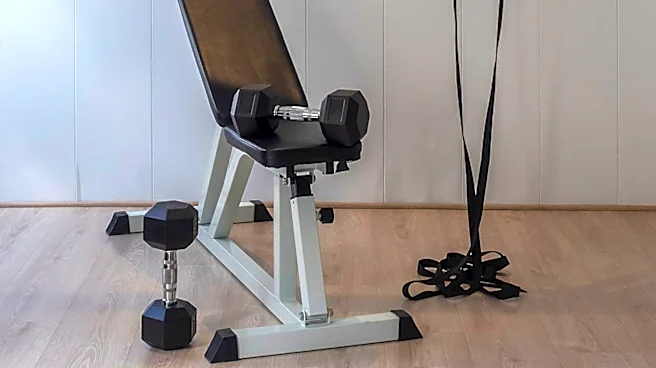
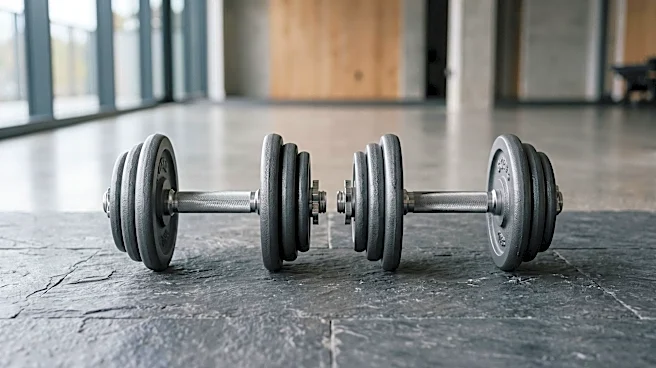
overload, which involves gradually increasing the weight or repetitions over time to continually challenge muscles. Adequate rest periods are also crucial for muscle recovery and growth. The use of versatile home gym equipment, such as a Multi-Function Power Tower for bodyweight exercises or a Full Motion Hydraulic Rowing Machine for strength and core training, can significantly enhance workout effectiveness. Additionally, resources like Apple Fitness+'s Gym Strength feature offer personalized four-week workout plans tailored to available equipment and user goals, promoting a structured approach to home fitness. Simple, functional exercises like glute squeezes, glute bridges, reverse lunges, push-ups, and squats are highlighted as foundational moves that can improve strength, balance, and mobility.
Why It's Important?
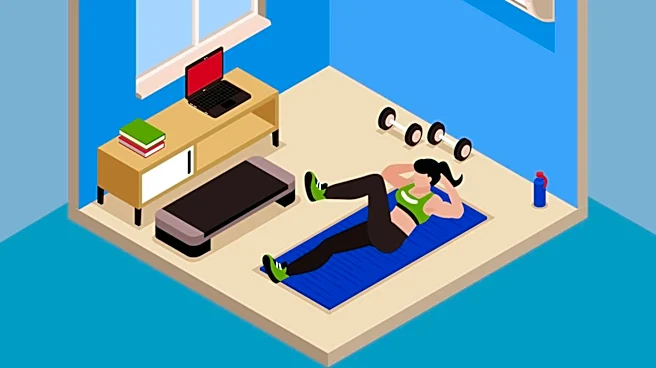
The emphasis on structured, progressive home workouts is important for several reasons. In an era where access to traditional gyms may be limited or inconvenient, these strategies empower individuals to maintain and improve their physical health from home. The focus on progressive overload ensures that workouts remain challenging and effective, preventing plateaus and promoting continuous improvement. This approach can lead to significant health benefits, including increased strength, better balance, enhanced mobility, and overall improved fitness. For individuals new to fitness, programs that break down exercises and emphasize proper form can prevent injuries and build confidence. The availability of personalized plans and versatile equipment makes fitness more accessible, potentially reducing healthcare costs associated with sedentary lifestyles and improving public health outcomes across the U.S.
What's Next?
The trend towards structured home workouts is likely to continue evolving with further integration of technology and personalized fitness solutions. Expect to see more advanced home gym equipment designed for versatility and compact living spaces. Digital fitness platforms will likely expand their offerings, providing more sophisticated AI-driven workout plans that adapt in real-time to user progress and biometric data. There may also be a greater focus on community-based online fitness challenges and virtual coaching to enhance motivation and accountability. As more people embrace home fitness, the demand for educational content on proper form, injury prevention, and nutrition tailored to home environments will also increase, leading to a more informed and empowered home workout community.
Beyond the Headlines
Beyond the immediate physical benefits, the rise of structured home workouts has broader implications for lifestyle and wellness culture. It signifies a shift towards greater autonomy in health management, allowing individuals to integrate fitness seamlessly into their daily routines without external constraints like gym hours or commute times. This can foster a more sustainable approach to wellness, as consistency is often easier to maintain when workouts are convenient. Ethically, the accessibility of home workouts can democratize fitness, making it less dependent on socioeconomic status or geographical location. Culturally, it may lead to a redefinition of what 'fitness' looks like, moving away from a gym-centric model towards a more holistic and personalized approach that values functional movement and long-term health over aesthetic ideals.