

What's Happening?
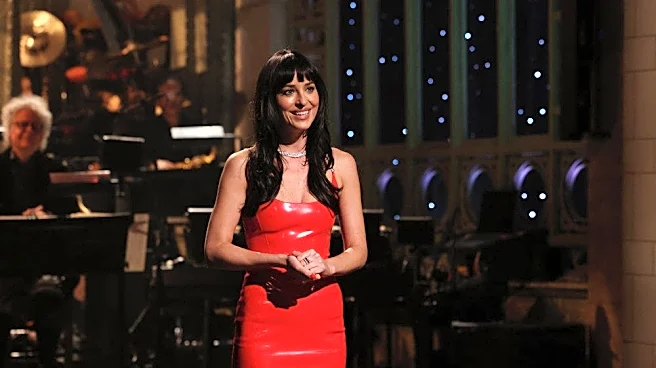
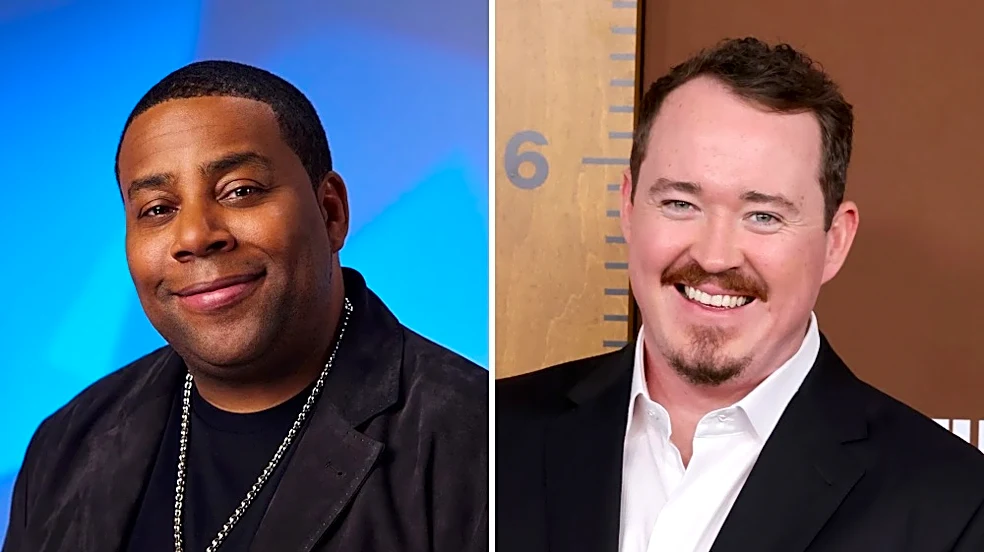
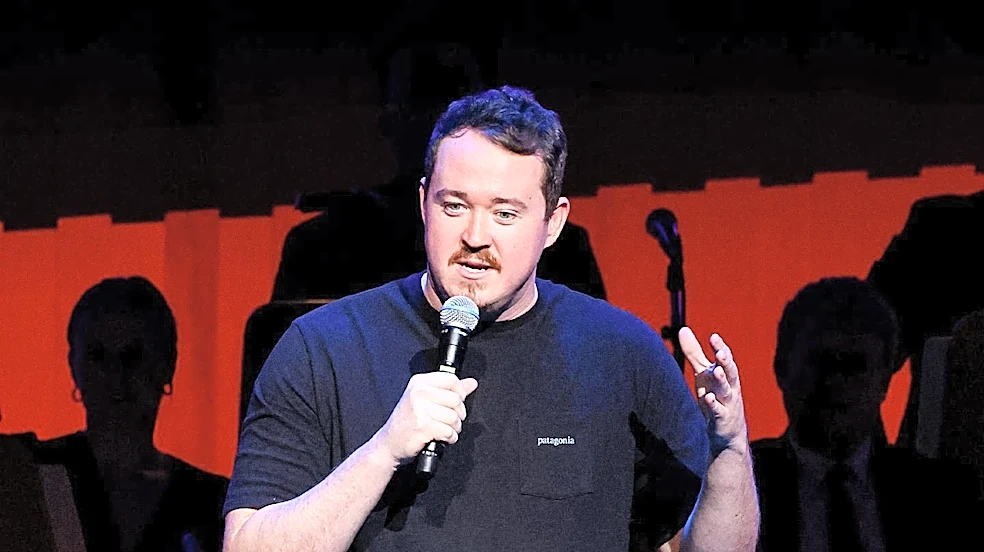
Comedian Shane Gillis delivered a controversial monologue during his third appearance as host on 'Saturday Night Live,' which included remarks perceived as misogynistic and homophobic. During his set, Gillis made self-deprecating comments about his weight,
followed by a claim that he looked 'like a lesbian,' and later attacked women at the gym and his sisters with derogatory terms. He also referenced hanging out with Theo Von and Joe Rogan. The monologue concluded with a line questioning societal polarization: 'you’re either gay or you’re Hitler, isn’t that where we’re at as a country?' This performance has ignited a significant debate, with celebrities like Dan Levy and former SNL cast members criticizing his jokes, while others, primarily men, defended them as humor.
Why It's Important?
Shane Gillis's controversial 'Saturday Night Live' monologue is important as it reignites the ongoing debate about the boundaries of comedy, free speech, and accountability in public platforms. The backlash from various celebrities and former SNL cast members highlights a growing intolerance for humor perceived as offensive or harmful, particularly towards marginalized groups. Conversely, the defense of Gillis's jokes by some, who argue against 'cancel culture' and for comedic freedom, underscores a deep societal divide on what constitutes acceptable humor. This incident forces a re-evaluation of the role of comedy in reflecting and shaping cultural norms, and the responsibility of platforms like 'Saturday Night Live' in curating content. It also illustrates the power of social media in amplifying both criticism and defense, shaping public discourse around controversial performances.
What's Next?
The immediate aftermath of Shane Gillis's monologue suggests continued discussion and polarization regarding his comedic style and the broader implications for 'Saturday Night Live.' SNL's producers and network will likely face scrutiny over their decision to host Gillis, especially given his past controversies. This event could influence future booking decisions for the show, potentially leading to a more cautious approach to controversial comedians or, conversely, a reinforcement of the idea of pushing comedic boundaries. For Gillis, the controversy may solidify his appeal among a segment of the audience that champions 'edgy' humor, while alienating others. The incident will likely remain a talking point in discussions about comedy, censorship, and cultural sensitivity for the foreseeable future.
Beyond the Headlines
The controversy surrounding Shane Gillis's 'Saturday Night Live' monologue taps into deeper cultural currents concerning identity politics, freedom of expression, and the evolving nature of humor in a diverse society. It highlights a generational and ideological schism in how comedy is received and interpreted, with some viewing offensive jokes as harmless satire and others as perpetuating harmful stereotypes. This incident also underscores the commercial implications of such controversies, as platforms like Netflix and major networks weigh the potential for audience backlash against the desire to attract diverse viewership. Ultimately, this event contributes to the ongoing redefinition of what is considered acceptable and impactful in mainstream comedy, reflecting broader societal tensions around inclusivity and the limits of artistic license.