







What's Happening?
The release of the Kimi AI model by Chinese company Moonshot AI has reignited discussions about open source AI and its implications for US-China tech competition. Kimi K3, although trailing behind proprietary models like Claude Fable 5 and GPT 5.6 Sol,
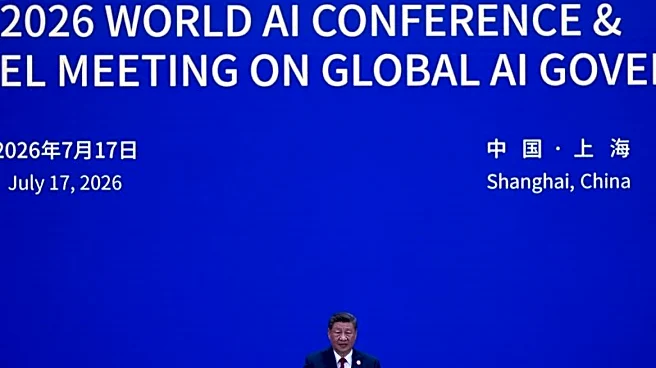
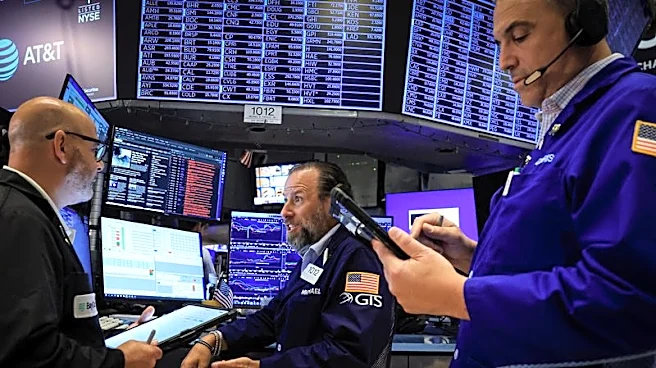
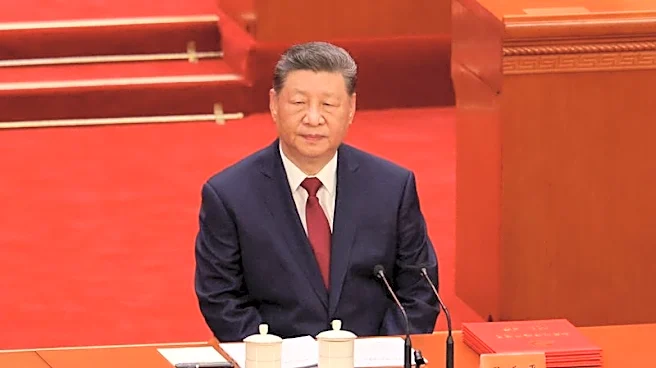
has shown competitive performance. The model's release coincided with a speech by Chinese President Xi Jinping, causing concern on Wall Street and a drop in Nasdaq as investors reacted to potential impacts on US tech companies. The debate mirrors past discussions on Chinese AI models and highlights ongoing tensions between the US and China in the AI sector.
Why It's Important?
The release of Kimi underscores the growing influence of Chinese AI models and the potential challenges they pose to US technological leadership. The open source nature of Kimi raises concerns about intellectual property and competitive advantages, as well as national security implications. The US tech industry faces pressure to maintain its edge while navigating regulatory and geopolitical challenges. This development could influence future policy decisions and strategies in the AI sector, impacting innovation, competition, and international relations.
What's Next?
The US may consider regulatory measures to address the perceived risks associated with open source Chinese AI models. Industry leaders and policymakers will likely continue to debate the balance between innovation and security, with potential implications for AI development and deployment. The outcome of these discussions could shape the future of AI regulation and international cooperation, influencing the global tech landscape and the US's position within it.