





What's Happening?
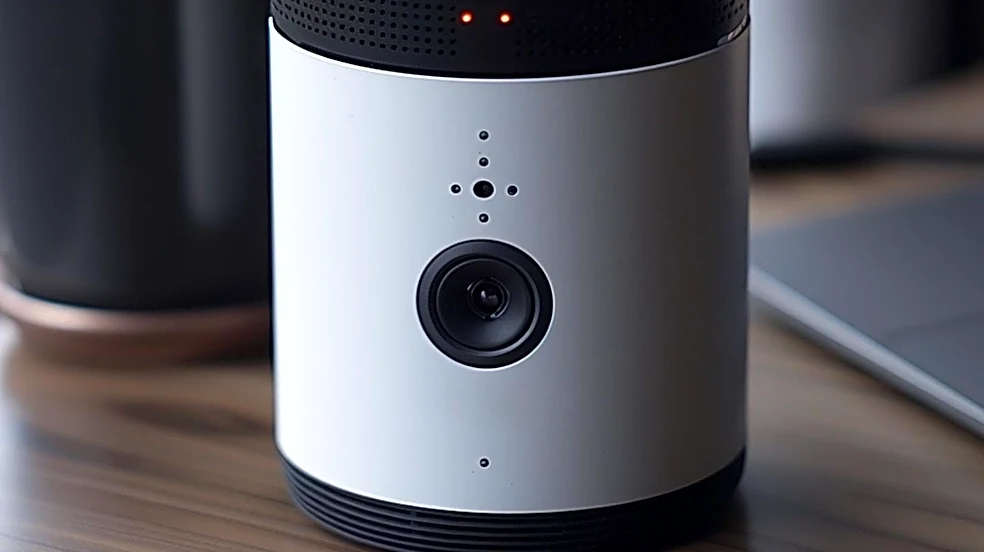
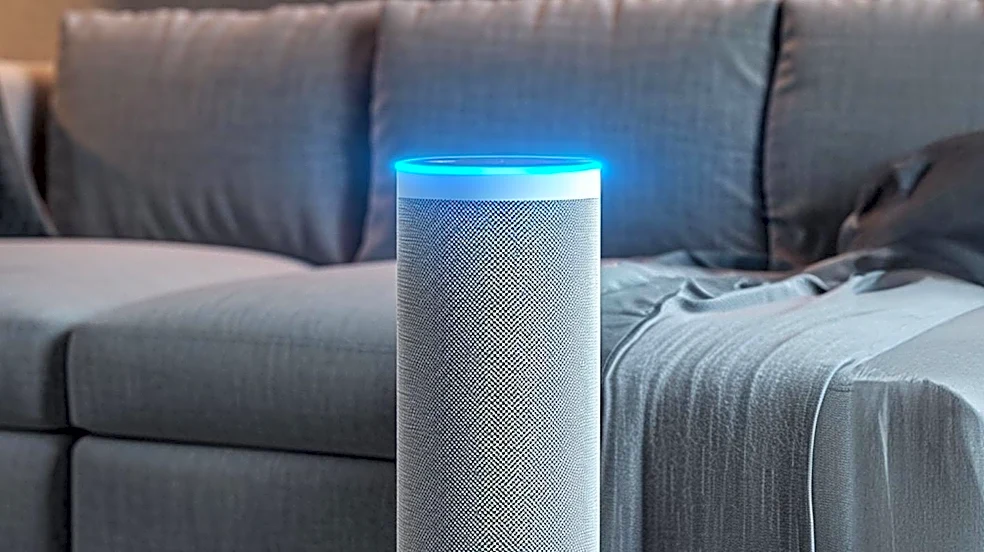
Smart home hubs are emerging as a popular and accessible solution for individuals looking to integrate smart technology into their homes. These off-the-shelf devices serve as a central control point for various smart gadgets like bulbs, plugs, thermostats,
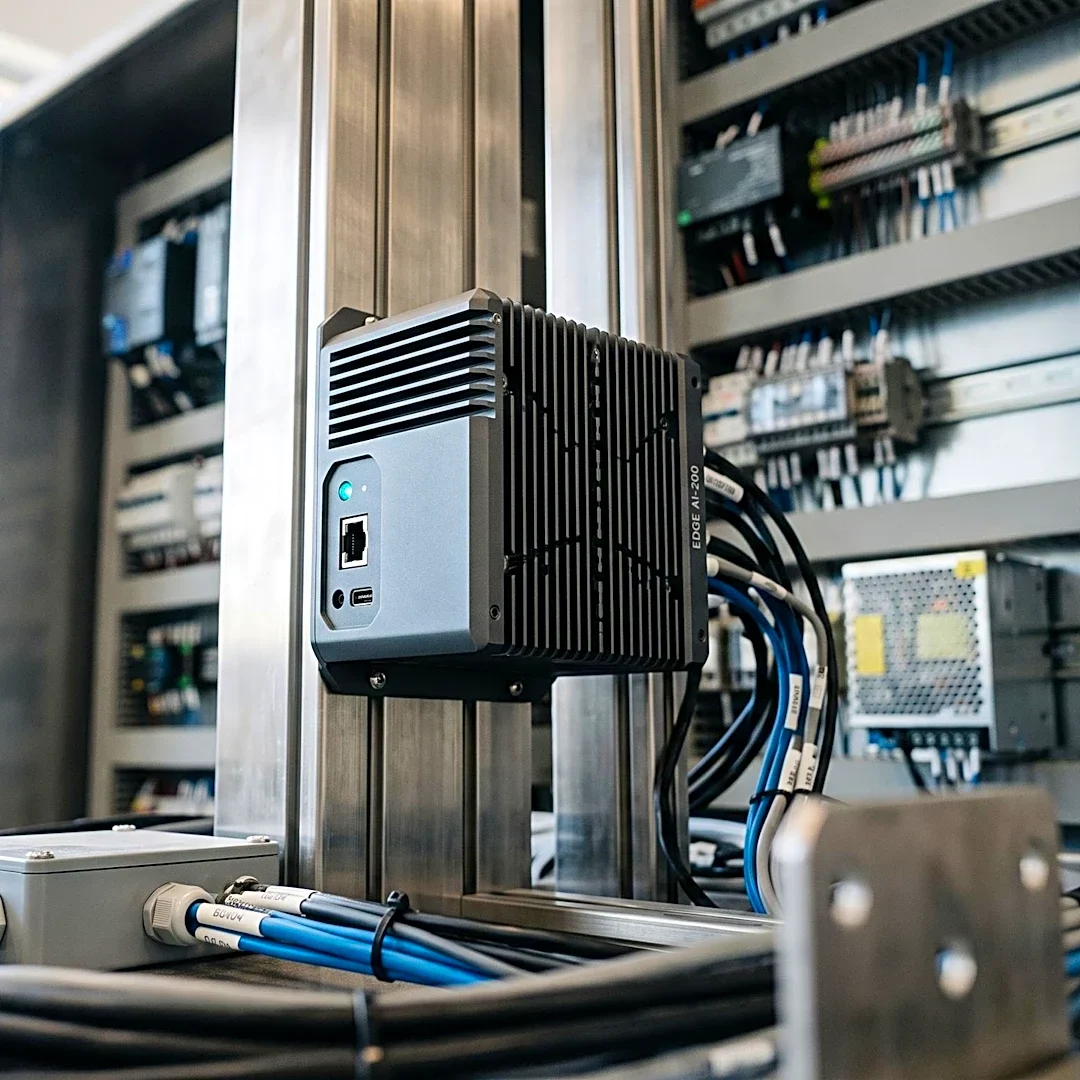
and cameras, allowing users to manage them through a single app or voice commands. Hubs are characterized by their affordability, wide availability, and ease of self-setup, making them an attractive first step into home automation. They operate on a 'device-centric' model, where users purchase individual smart gadgets and connect them to the hub. This approach differs significantly from integrated home automation systems, which are professionally designed, wired setups where all home systems, including lighting, climate, security, and entertainment, are engineered to work cohesively as one unit. While hubs are suitable for smaller setups or initial explorations, integrated systems are built into the home and are preferred for whole-home solutions demanding reliability and scale.
Why It's Important?
The rise of smart home hubs signifies a democratization of home automation technology, making it more accessible to a broader consumer base in the U.S. Their low cost and ease of installation lower the barrier to entry, allowing more households to experience the convenience and efficiency of smart living. This trend could accelerate the adoption of smart home devices, driving innovation and competition within the consumer electronics market. For consumers, hubs offer a flexible way to experiment with smart technology without a significant upfront investment or permanent installation, which is particularly beneficial for renters or those with budget constraints. However, the distinction between hubs and integrated systems highlights a growing segmentation in the smart home market, catering to different needs and expectations regarding reliability, scalability, and system integration. This differentiation helps consumers make informed choices based on their specific living situations and long-term automation goals.
What's Next?
The smart home market is likely to see continued innovation in hub technology, with manufacturers focusing on enhanced compatibility, user-friendly interfaces, and broader support for various communication protocols like Z-Wave, Zigbee, Matter, and Thread. As more devices become Matter-compatible, hubs will play a crucial role in unifying diverse ecosystems, allowing products from different brands to communicate seamlessly. This could lead to a more interconnected and less fragmented smart home experience for consumers. We may also see an increase in hybrid solutions, where integrated systems incorporate voice control layers from popular hub platforms like Alexa or Google Home, offering the best of both worlds: the reliability of a professionally installed system with the convenience of voice commands. The ongoing evolution of these technologies will likely push for greater interoperability and more intuitive control mechanisms, further simplifying smart home management for the average user.
Beyond the Headlines
The growing adoption of smart home hubs has broader implications beyond mere convenience. It fosters a deeper understanding among consumers about home energy management, security, and accessibility, potentially leading to more energy-efficient homes and enhanced personal safety. As these systems become more sophisticated, they could also contribute to data privacy discussions, as hubs collect and process significant amounts of user data. The choice between a DIY hub and a professionally installed integrated system also reflects differing consumer values regarding control, customization, and professional support. This technological shift could influence residential construction and renovation trends, with a greater emphasis on pre-wired homes and smart-ready infrastructure. Ultimately, the widespread use of smart home hubs is not just about controlling devices; it's about reshaping how individuals interact with their living spaces and manage their daily lives, pushing the boundaries of what a 'connected home' truly means.