
What's Happening?
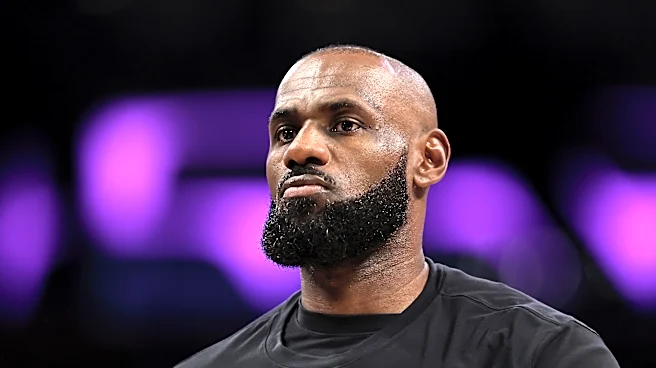
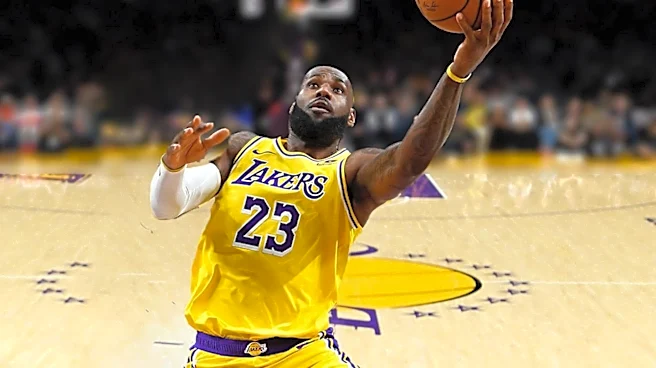
LeBron James has signed a two-year contract with the Philadelphia 76ers, a decision that has surprised many in the NBA community. This move is seen as a betrayal by some fans in Cleveland, where James is considered
a local hero for his contributions to the Cavaliers. The decision to join the 76ers is viewed as a strategic choice for the final phase of his career, but it has also raised questions about the team's dynamics and potential success. Critics argue that partnering with Joel Embiid, known for his injury history, may not be the best strategy for James, who is known for his durability. Additionally, the presence of other star players like Jaylen Brown and Tyrese Maxey could complicate team chemistry and roles.
Why It's Important?
LeBron James' decision to join the 76ers has significant implications for both his legacy and the NBA as a whole. For Cleveland fans, this move is a painful reminder of past departures and raises concerns about the future of the Cavaliers without their star player. For the 76ers, acquiring James is a major coup that could elevate their status as championship contenders. However, the team's ability to integrate James and manage the expectations of other star players will be crucial to their success. This move also highlights the challenges of balancing personal career goals with team dynamics and fan loyalty, a common theme in professional sports.
Beyond the Headlines
The decision to join the 76ers may also impact LeBron James' public image and legacy. While he has often been compared to Michael Jordan, his career moves have sometimes been controversial, leading to mixed perceptions among fans. The upcoming season will be closely watched, not only for the team's performance but also for how James navigates the pressures of a new environment. The presence of cameras documenting his journey adds another layer of scrutiny, as fans and analysts will be eager to see how this chapter unfolds. Ultimately, this move could redefine James' legacy, either solidifying his status as a strategic player or raising questions about his decision-making.