





What's Happening?
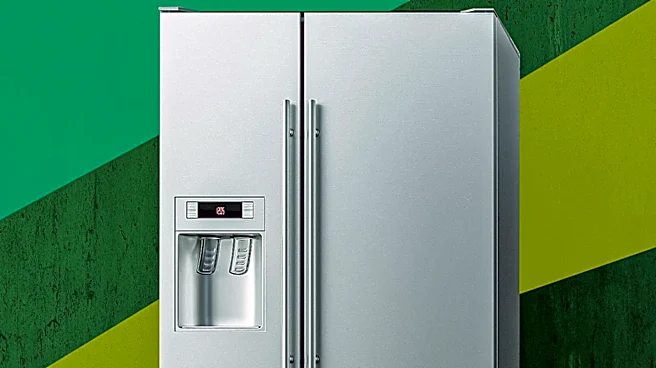
The Refrigeration Machinery & Equipment market is experiencing substantial growth, primarily fueled by the expansion of cold chain logistics and increasingly stringent food safety regulations. Key industry players include major companies such as Daikin
Industries, Ingersoll Rand, Whirlpool, Haier, Illinois Tool Works, Danfoss, and Dover Corporation. Despite this growth, the market faces several challenges, including the high initial capital investment required for equipment, significant operational energy costs, and the ongoing phase-down of high global warming potential (GWP) refrigerants. Opportunities for innovation and market expansion are emerging, particularly in the development of energy-efficient systems and those utilizing natural refrigerants. The heat pump segment, especially for industrial applications, is identified as a rapidly expanding area within this market. Industry stakeholders are kept informed through regular updates on machinery and equipment trade shows, fairs, and expos. Additionally, organizations like the Machinery Dealers National Association (MDNA) provide a trusted marketplace for used machinery and equipment, offering certified appraisers and real market data. Platforms such as MyLittleSalesman.com and The Equipment Hub also list various types of new and used construction and heavy equipment, including CNC press brakes, forklifts, and grinders, indicating a broad demand across different sectors.
Why It's Important?
The growth in the refrigeration machinery and equipment market is critical for several U.S. industries, particularly those reliant on cold chain logistics, such as food and beverage, pharmaceuticals, and chemicals. Enhanced cold chain capabilities ensure the safe and efficient transport and storage of perishable goods, directly impacting public health and consumer safety through improved food quality and reduced spoilage. The push for energy-efficient and natural refrigerant-based systems aligns with broader U.S. environmental policies and sustainability goals, potentially reducing the carbon footprint of industrial operations and contributing to climate change mitigation efforts. This shift also creates new opportunities for American manufacturers and technology developers in green refrigeration solutions, fostering innovation and job creation. However, the high initial investment and operational costs could pose barriers for smaller businesses, potentially leading to market consolidation or requiring government incentives to facilitate adoption. The phase-down of high-GWP refrigerants necessitates significant R&D and retooling for manufacturers, while also presenting a chance for U.S. companies to lead in developing and exporting advanced, environmentally friendly refrigeration technologies. The availability of trusted marketplaces for used equipment, like MDNA, helps manage costs and extends the lifecycle of machinery, supporting economic efficiency across various sectors.
What's Next?
Looking ahead, the refrigeration machinery and equipment market is expected to continue its trajectory of growth, driven by ongoing advancements in cold chain technology and evolving regulatory landscapes. Manufacturers will likely intensify their focus on research and development to produce more energy-efficient models and expand the use of natural refrigerants, such as CO2 and ammonia, to comply with environmental regulations and meet consumer demand for sustainable solutions. The industrial heat pump sector is poised for significant expansion, with new applications and technologies emerging to capture waste heat and improve overall energy efficiency in manufacturing and processing plants. Policy discussions around incentives for adopting green refrigeration technologies and stricter enforcement of food safety standards are anticipated, which could further accelerate market shifts. Industry trade shows and expos will remain crucial platforms for showcasing innovations and fostering business partnerships. Furthermore, the market for used machinery and equipment, supported by organizations like MDNA, will continue to play a vital role in providing cost-effective options for businesses, particularly as new equipment becomes more technologically advanced and potentially more expensive. Companies like The Equipment Hub will likely expand their inventory to meet diverse industrial needs, including specialized CNC machinery and heavy construction equipment, reflecting a dynamic and evolving market landscape.
Beyond the Headlines
The evolution of the refrigeration machinery and equipment market extends beyond mere economic growth, touching upon critical ethical, legal, and cultural dimensions. The increasing demand for cold chain logistics, while boosting economic activity, also raises questions about equitable access to fresh and safe food, particularly in underserved communities. The transition to natural refrigerants and energy-efficient systems, while environmentally beneficial, presents a significant financial burden for some businesses, potentially exacerbating economic disparities if not managed with supportive policies. This shift also highlights the broader societal challenge of balancing technological advancement with environmental stewardship, pushing industries to innovate responsibly. The reliance on complex machinery also underscores the need for a skilled workforce capable of operating and maintaining these advanced systems, pointing to potential gaps in vocational training and education. Furthermore, the global nature of supply chains for both refrigerated goods and the equipment itself means that geopolitical stability and international trade policies will increasingly influence market dynamics. The ethical implications of food waste, often mitigated by effective refrigeration, also come into sharper focus, emphasizing the role of this technology in global food security. Ultimately, the trajectory of this market reflects a larger societal movement towards sustainability, efficiency, and resilience in the face of environmental and economic pressures.