





What's Happening?
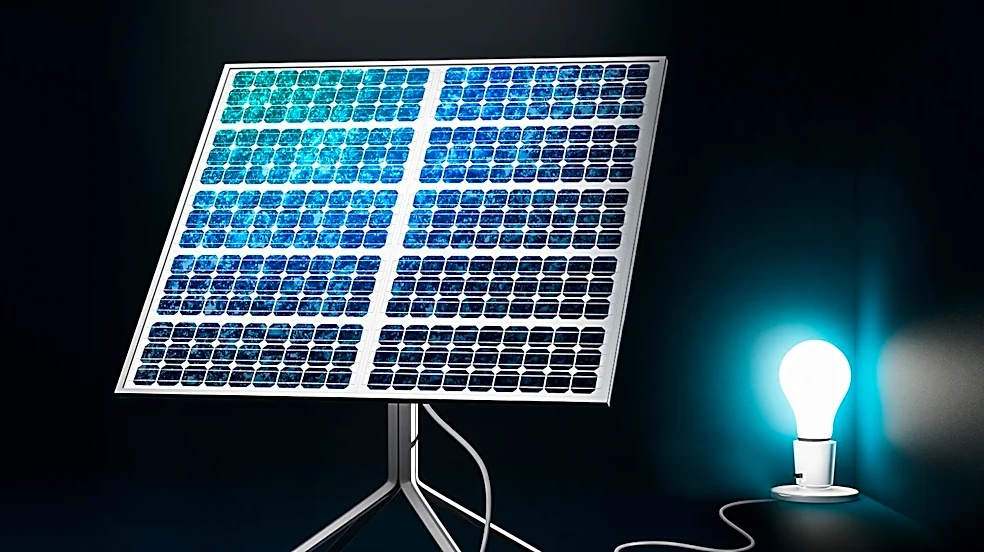
China is reportedly considering implementing export controls on some of its most advanced solar manufacturing technologies. This potential policy shift could significantly alter the global landscape for sourcing high-purity silicon and polysilicon, which
are crucial components in both solar and semiconductor industries. Such controls are anticipated to disrupt existing supply chains, shift pricing power among producers, and elevate the importance of non-Chinese manufacturers. The article highlights three companies—Wacker Chemie, OCI Holdings, and OCI Company Ltd.—as examples of firms that could be significantly impacted by these changes. Wacker Chemie, based in Munich, is a major supplier of hyperpure polysilicon and semiconductor-grade silicon. OCI Company Ltd., a Seoul-based producer, specializes in polysilicon and related high-purity materials for solar and semiconductor supply chains. OCI Holdings, also mentioned, is a key player in the polysilicon market.
Why It's Important?
The potential tightening of China's solar technology exports carries substantial implications for the U.S. and global industries. For U.S. investors, this could mean a re-evaluation of investment strategies in the polysilicon sector, with increased attention on non-Chinese producers. If Chinese technology becomes harder to source, companies like Wacker Chemie and OCI could see a surge in demand for their products, potentially leading to higher revenues and operational leverage, especially if global demand for renewable energy and advanced electronics continues to rise. However, these companies also face challenges such as thin margins and funding risks, which could be exacerbated or alleviated depending on how the policy changes affect pricing and profitability. The policy decision could also accelerate efforts in the U.S. and other countries to develop domestic polysilicon production capabilities to reduce reliance on foreign supply chains, particularly from China.
What's Next?
The market is closely watching for China's final decision on export controls, which will dictate the immediate next steps for polysilicon suppliers and their customers. If controls are implemented, non-Chinese producers are likely to experience increased demand and potentially higher pricing power. This could lead to strategic investments in expanding production capacities outside of China. Conversely, companies heavily reliant on Chinese solar manufacturing technology may need to seek alternative solutions or face supply chain disruptions. Investors will be analyzing the financial performance of companies like Wacker Chemie and OCI for signs of how these policy changes are impacting their margins and cash generation. The long-term outlook will involve a global recalibration of polysilicon supply chains, with a potential emphasis on regional self-sufficiency and diversification of sourcing to mitigate future geopolitical risks.
Beyond the Headlines
Beyond the immediate economic and supply chain impacts, China's potential export controls on solar technology highlight the growing trend of strategic competition in critical technology sectors. This move could be interpreted as an effort to leverage technological dominance for geopolitical advantage, similar to past actions in other high-tech industries. For the U.S., it underscores the vulnerability of relying on a single country for essential components in strategic sectors like renewable energy and semiconductors. This situation could spur greater government and private sector collaboration in the U.S. to foster innovation and manufacturing independence in these areas. It also raises ethical considerations regarding fair trade practices and the potential for technology nationalism to impede global efforts towards climate change mitigation, given the importance of solar technology in the transition to clean energy.