




What's Happening?
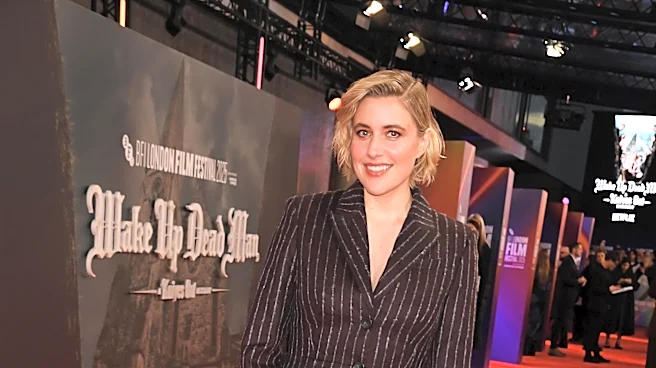
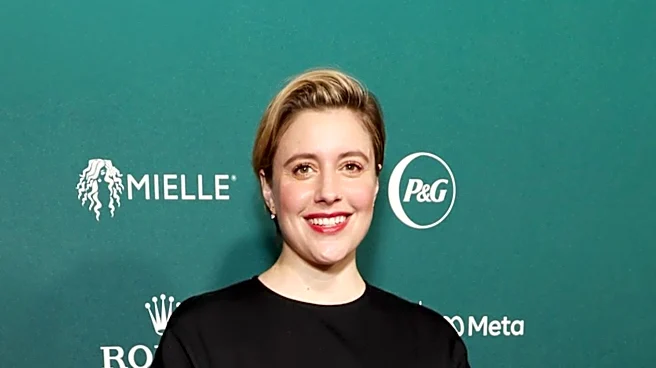
Filmmaker Greta Gerwig's upcoming adaptation of C.S. Lewis's 'The Magician's Nephew,' part of 'The Chronicles of Narnia' series, is generating significant discussion and concern among fans. The film, set for a February 2027 theatrical release, has prompted
online chatter, particularly regarding the potential depiction of the character Aslan. Fans are expressing worries about how the iconic lion, widely seen as a representation of Jesus, will be portrayed, with some speculating about changes to his appearance or voice. Douglas Gresham, one of Lewis's stepsons and an executive producer on the project, has expressed enthusiasm, while Gerwig herself has stated her reverence for Lewis's work, calling it 'the book of my childhood.' The adaptation follows Netflix acquiring the rights to the book series in 2018, with Gerwig tapped to write and direct at least two Narnia films. The debate highlights the deep connection readers have to the source material and its spiritual interpretations.
Why It's Important?
This development is important because 'The Chronicles of Narnia' holds significant cultural and religious weight for millions of readers, particularly in the U.S. Aslan, in particular, is a central figure whose characterization is deeply intertwined with Christian symbolism for many. Any perceived deviation from established interpretations could lead to strong reactions from a dedicated fanbase, potentially impacting the film's reception and box office performance. The discussion also underscores the challenges inherent in adapting beloved literary works, especially those with profound allegorical or symbolic meanings. The success or failure of Gerwig's adaptation could influence future decisions by studios regarding the treatment of religiously significant or deeply cherished intellectual properties, affecting how creative teams approach such projects and potentially shaping audience expectations for faithfulness to source material.
What's Next?
The film, 'Narnia: The Magician's Nephew,' is scheduled for a February 2027 theatrical release. As the release date approaches, more details, trailers, and promotional materials are expected to emerge, which will likely either alleviate or intensify fan concerns. The reception of these materials will be crucial in shaping public perception ahead of the film's debut. Stakeholders, including Netflix and the production team, will likely monitor fan reactions closely. The ultimate success of the film will depend on its ability to balance creative interpretation with the expectations of a passionate and protective fanbase, particularly concerning the portrayal of its most iconic character, Aslan. The ongoing dialogue will continue to highlight the complexities of adapting culturally significant narratives for a broad audience.
Beyond the Headlines
The intense scrutiny surrounding Gerwig's Narnia adaptation delves into deeper implications concerning the nature of adaptation itself and the relationship between creators and their audience, especially when dealing with works that have spiritual or profound personal significance. C.S. Lewis himself resisted the idea that 'The Chronicles of Narnia' were mere allegories, instead describing them as 'supposals'—exploring what Christ might be like in a world like Narnia. This distinction suggests that while the stories are rich with Christian themes, Lewis valued imaginative exploration over rigid, one-to-one allegorical interpretations. The current debate reflects a tension between a director's artistic vision and a fanbase's desire for fidelity to their cherished understanding of the source material. It raises questions about whether adaptations should aim for literal translation or imaginative reinterpretation, and how much creative license is acceptable when a work is considered sacred by a significant portion of its audience. This dynamic can influence how future adaptations of classic literature are approached, potentially leading to more cautious or more daring creative choices.