





What's Happening?
U.S. producer prices increased by 0.3% in October, a slower monthly rate compared to September's revised 1.4% rise. Despite this moderation in the monthly figure, the annual inflation rate for producer prices climbed from 6.3% to 6.5%. This marks the largest
annual increase since November 2022. The monthly increase was slightly below economists' expectations of a 0.4% rise. A detailed breakdown shows that goods prices saw a 0.5% increase in October, while services rose by 0.2%. The index, when excluding volatile components like foods, energy, and trade services, advanced by 0.5% for the month and recorded a 4.9% increase over the year. This data, released by the Labor Department, indicates that while the immediate monthly pressure might have eased slightly, the broader inflationary trend at the producer level remains significant.
Why It's Important?
This rise in producer prices is significant because it reflects the costs faced by domestic producers, which can eventually be passed on to consumers. The persistent annual increase in the Producer Price Index (PPI) to 6.5% suggests that inflationary pressures are still substantial within the U.S. economy. This complicates the Federal Reserve's efforts to manage inflation, as it indicates that the problem extends beyond just energy costs. The increase in food prices, the largest in eight months, driven by higher transportation costs due to expensive diesel, highlights how inflation is broadening across different sectors. For businesses, higher producer prices mean increased operational costs, potentially squeezing profit margins or leading to higher consumer prices. For consumers, this could translate into continued elevated prices for goods and services, impacting purchasing power and overall economic stability. The data provides ammunition for both arguments: that inflation is moderating monthly, but also that the underlying problem remains substantial, influencing the Federal Reserve's future monetary policy decisions.
What's Next?
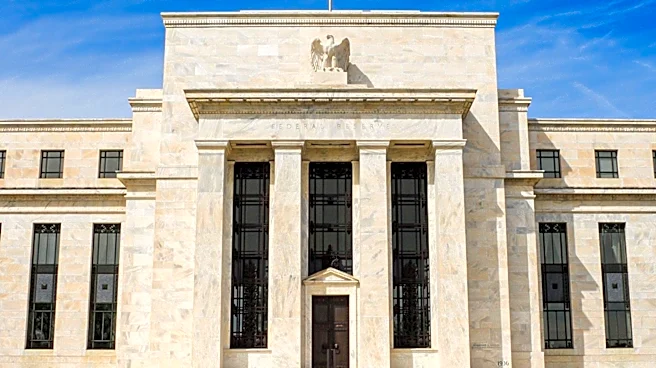
The latest producer price data will be a key factor for the Federal Reserve as it considers its next steps regarding interest rates. While the monthly slowdown might offer some relief, the elevated annual rate and the broadening of inflation beyond energy suggest that the Fed may continue its hawkish stance. The Federal Open Market Committee (FOMC) had previously held its policy rate at 3.75%–4% at its October 28 meeting, with some members preferring a quarter-point increase, indicating ongoing concerns about inflation. Governor Christopher Waller's earlier remarks on November 10, supporting further monetary policy tightening, suggest that policymakers are prepared to act if inflation proves persistent. Investors will closely watch subsequent Fed communications, particularly leading up to the next scheduled policy meeting in December, to see whether the central bank interprets the slower monthly increase as progress or focuses on the persistent underlying inflationary pressures. The market's reaction will also depend on how these signals influence expectations for future rate hikes and their impact on various asset classes, including cryptocurrencies.
Beyond the Headlines
The nuanced picture presented by the October PPI data—a slower monthly increase but a higher annual rate—highlights the complexity of current inflationary dynamics. This situation creates a challenging environment for economic forecasting and policy-making. The detail that prices excluding food, energy, and trade services also rose significantly suggests that inflation is not merely a function of volatile commodity prices but is becoming more entrenched across the economy. This broader inflation could be fueled by factors such as supply chain disruptions, labor costs, and even increased demand in certain sectors, like the AI infrastructure buildout mentioned by Governor Waller as a potential source of price pressure. The ongoing debate within the Federal Reserve about whether a pause in rate hikes is a temporary assessment period or a signal of future easing will have profound implications. A misinterpretation by investors could lead to market volatility, especially in speculative assets. The long-term implications include potential shifts in consumer spending habits, business investment strategies, and the overall economic growth trajectory if high inflation persists.