




What's Happening?
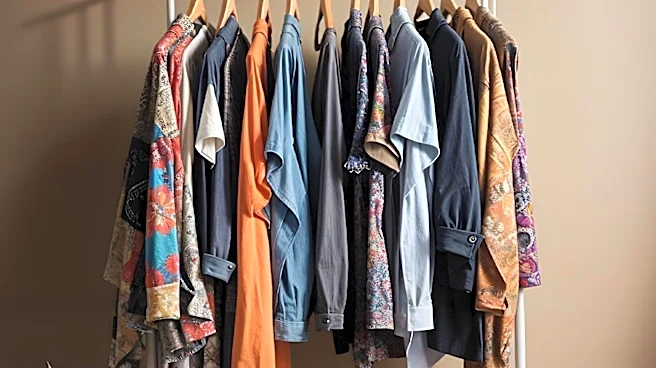
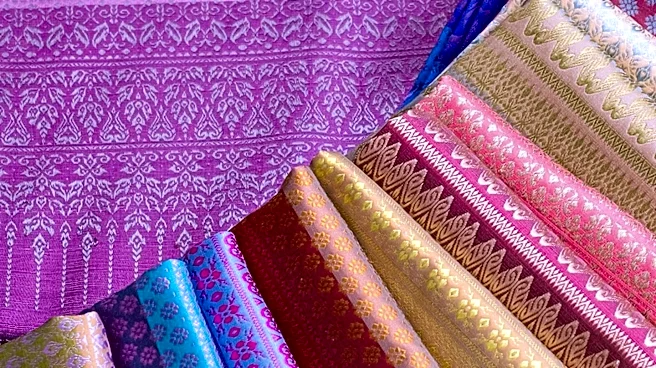
Tapestry-inspired items are gaining popularity in both fashion and home decor. This trend features richly patterned fabrics reminiscent of Renaissance and Rococo brocades and jacquards, often incorporating intricate embroidery, metallic threads, and ornate
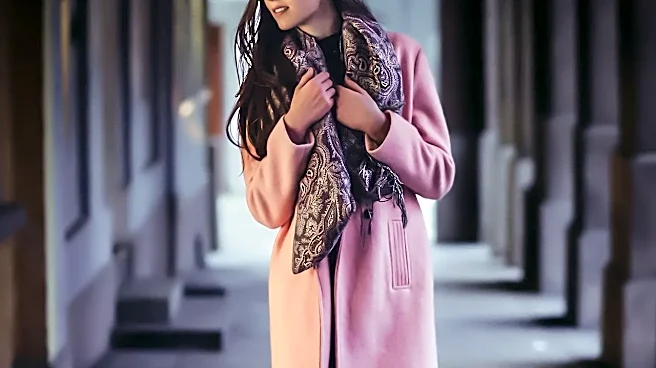
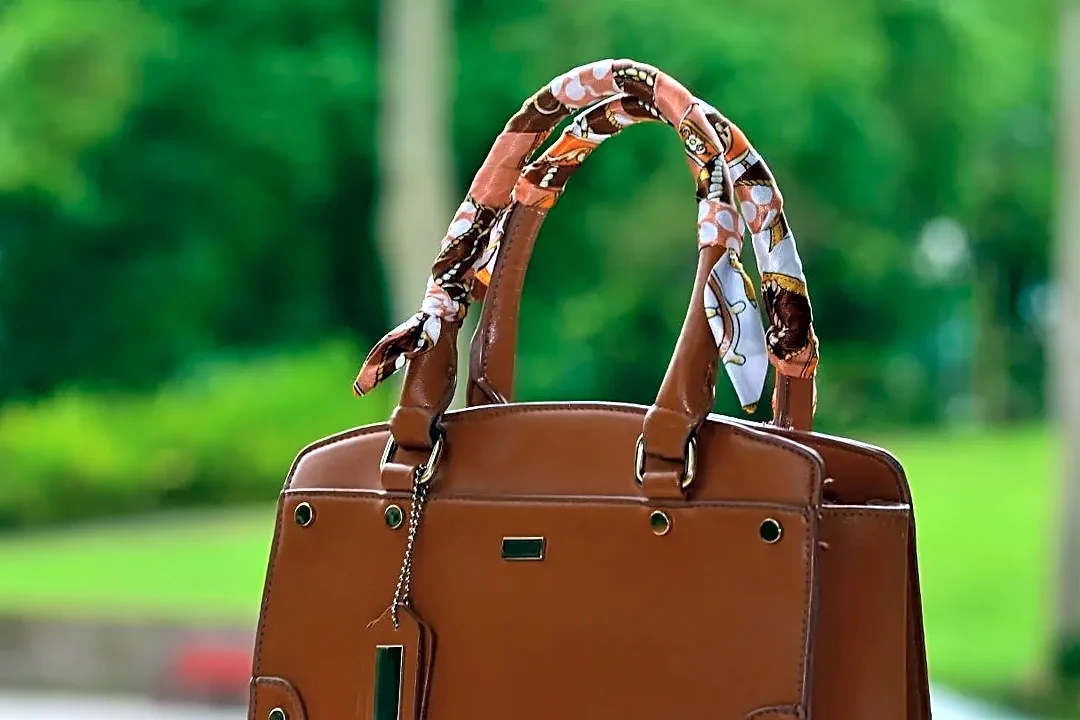
florals. In fashion, tapestry is appearing in jackets, coats, skirts, trousers, corsetry, waistcoats, vests, bags, scarves, and shoes. These pieces are characterized by their distinctive texture, pattern, and artistry. The palette for these items typically includes neutral and earth tones, similar to antique tapestries, though some pieces exhibit more romantic, vibrant, or whimsical designs. Beyond clothing, tapestry is also being utilized in home decor for items such as wall hangings, curtains, and sofa covers, bringing a regal and ornate aesthetic to interiors. The fabric's substantial nature makes it suitable for colder weather and contributes to its decorative and distinctive heirloom quality.
Why It's Important?
The resurgence of the tapestry trend signifies a broader shift in consumer preferences towards maximalism, texture, and historical references in design. For the fashion industry, this trend offers opportunities for designers to explore rich fabrics and intricate patterns, potentially leading to a diversification of offerings beyond minimalist styles. Retailers can capitalize on this by stocking a range of tapestry items, from statement pieces to accessories, catering to consumers looking to add unique and artistic elements to their wardrobes. In home decor, the trend provides manufacturers and interior designers with a renewed interest in ornate textiles, potentially boosting sales of specialized fabrics and decorative items. This trend also allows for versatility, as tapestry pieces can be styled for both dressy and casual occasions, making them accessible to a wider demographic and encouraging creative expression in personal style and home aesthetics. The emphasis on texture and artistry also highlights a growing appreciation for craftsmanship and unique design.
What's Next?
As the tapestry trend continues to evolve, consumers can expect to see a wider array of tapestry-inspired products across various price points. Fashion brands may introduce more accessible versions of these ornate fabrics, while high-end designers could push the boundaries with innovative interpretations. We might also see an increase in collaborations between fashion and textile artists to create unique tapestry designs. In home decor, the trend could lead to a greater demand for custom tapestry pieces and a broader integration of tapestry elements into furniture and soft furnishings. Additionally, the trend's overlap with other styles like Dark Romance and Poetcore suggests that tapestry will likely be incorporated into diverse aesthetic movements, ensuring its continued relevance. The focus on sustainability and artisanal craftsmanship could also see a rise in vintage tapestry markets and upcycled tapestry creations.
Beyond the Headlines
The tapestry trend reflects a deeper cultural inclination towards nostalgia and a desire for items with a sense of history and artistry in an increasingly digital world. The rich, tactile nature of tapestry fabrics offers a counterpoint to the sleek, often impersonal aesthetic of modern design. This trend can be seen as a form of escapism, allowing individuals to infuse their personal spaces and wardrobes with elements of grandeur and storytelling from past eras. Ethically, the production of intricate tapestry fabrics can support traditional weaving techniques and artisan communities, particularly if brands prioritize ethical sourcing and craftsmanship. The trend also challenges the notion that ornate items are solely for formal occasions, encouraging a more playful and eclectic approach to style and decor. This blending of historical aesthetics with contemporary casual wear signifies a broader cultural movement towards personalized expression and a rejection of rigid fashion rules.