





What's Happening?
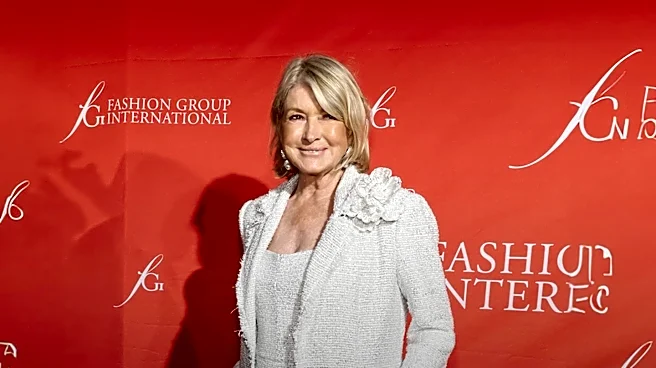
Martha Stewart issued an apology on the TODAY show for her controversial Halloween costume, which depicted a disheveled person holding a sign that read, 'I AM HUNGRY HELP ME!!' The lifestyle guru had posted a now-deleted photo of the costume on Instagram,
which drew significant criticism for appearing to mock homelessness. During her appearance on November 6, Stewart addressed the backlash, stating, 'I made a mistake. I was stupid, what else can I say? I am so sorry, and I hope that my followers and my fans and the rest of America forgives me for doing something that was not meant in any way to be a bad thing.' She also clarified that TODAY co-host Craig Melvin was not responsible for her costume choice, despite earlier jokes she made about him spilling chocolate on her sweater, which she claimed led to her last-minute costume decision. Stewart acknowledged that her grandson described the costume as 'tone-deaf' and expressed regret for not paying closer attention to social issues.
Why It's Important?
This incident highlights the increasing scrutiny public figures face regarding their social media presence and public statements, particularly concerning sensitive social issues. Stewart's apology underscores the importance of empathy and awareness in public discourse, especially when addressing topics like homelessness, which is a significant societal challenge in the U.S. The swift public reaction and subsequent apology demonstrate the power of social media in holding public figures accountable and shaping public perception. For brands associated with celebrities, such controversies can lead to reputational damage and calls for disassociation, emphasizing the need for careful consideration of messaging and imagery. The event also serves as a reminder that even well-established personalities can misstep in their attempts at humor or social commentary, leading to widespread criticism and requiring public rectification.
What's Next?
Martha Stewart is scheduled to return to the TODAY show for the annual All-Star Thanksgiving segment, which will likely be an opportunity for her to continue rebuilding public trust and demonstrate her commitment to social awareness. The incident may prompt Stewart and her team to implement more rigorous vetting processes for her public content and social media posts to avoid future controversies. Other public figures and brands might also take this as a cautionary tale, leading to increased sensitivity training or stricter guidelines for content creation that touches upon social issues. The broader conversation around appropriate representation and the impact of celebrity actions on public perception is likely to continue, influencing how public figures engage with their audiences and address societal challenges.
Beyond the Headlines
The controversy surrounding Martha Stewart's Halloween costume delves into deeper ethical considerations about the portrayal of vulnerable populations in media and entertainment. Critics argued that the costume trivialized the serious issue of homelessness, reducing it to a caricature for entertainment. This raises questions about the responsibility of public figures to use their platforms thoughtfully and avoid perpetuating harmful stereotypes. The incident also touches upon the evolving nature of humor and what is considered acceptable in a more socially conscious era. While Stewart initially claimed her costume was intended to raise awareness, the negative reception suggests a disconnect between intent and impact. This highlights the importance of understanding audience perception and the potential for misinterpretation, especially when dealing with issues that affect marginalized communities. The event serves as a cultural touchstone, prompting reflection on how society discusses and represents complex social problems.