




What's Happening?
Professional home organizers emphasize the importance of decluttering cabinets and cupboards before investing in storage products. Jennifer Granger Tipton, a member of the National Association of Productivity & Organizing Professionals (NAPO) Board of Directors
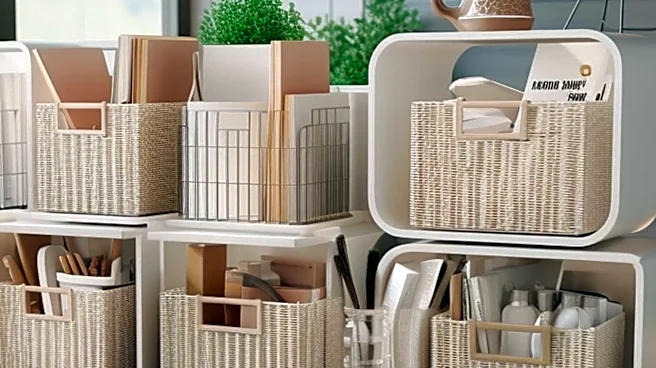
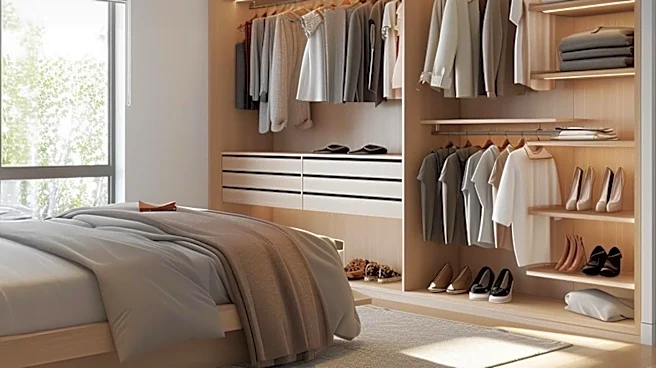
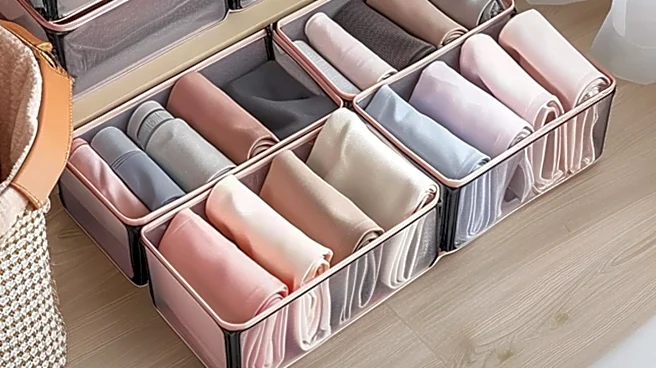
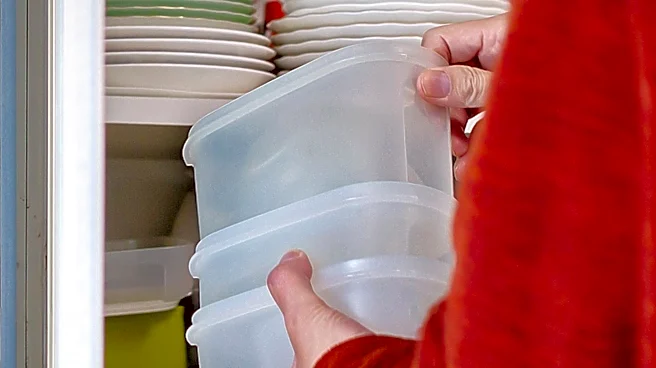
and owner of Breathable Spaces in Ohio, advises removing everything from a cabinet to evaluate its contents. She suggests asking what items are actually used, how often, and if they belong in that specific space. Shara Kay, a Beverly Hills-based certified professional organizer and fellow NAPO member, adds that frequently used items should be easily accessible and stored near their point of use. Both experts caution against the common mistake of buying organizing products first, stressing that such products should support the items one decides to keep, not dictate how much is kept. Waiting until after decluttering ensures the purchase of appropriate sizes and quantities of organizers, preventing unnecessary spending.
Why It's Important?
This guidance from professional organizers is crucial for U.S. consumers and the home organization industry. It addresses a prevalent issue of impulse buying and inefficient spending on storage solutions that often fail to solve underlying clutter problems. By advocating for decluttering as the foundational step, organizers promote a more mindful and sustainable approach to home management. This can lead to significant cost savings for households, as they avoid purchasing unnecessary or ill-fitting products. For retailers in the home organization market, this advice could influence consumer purchasing patterns, shifting demand towards more thoughtful, post-decluttering purchases. Furthermore, it highlights the value of professional organizing services, which offer expertise in creating functional systems rather than just selling products. This approach ultimately contributes to more effective and lasting organization, reducing household stress and improving daily living.
What's Next?
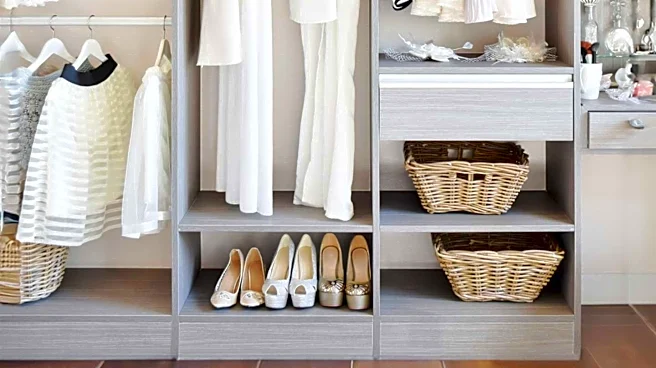
Consumers are encouraged to adopt a 'declutter first, buy later' mindset when organizing their homes, particularly cabinets and cupboards. This involves a systematic process of emptying spaces, evaluating items for use and relevance, and then only purchasing storage solutions that fit the remaining items. Professional organizers will likely continue to advocate for this methodology through workshops, media appearances, and client consultations. Retailers might adapt by offering more modular or customizable storage solutions that cater to varying needs after decluttering, or by providing educational resources that align with this approach. The emphasis on repurposing existing household items, such as using a vase for utensils or a wine rack for water bottles, also suggests a move towards more creative and economical organizing strategies. This shift could lead to a more informed consumer base that prioritizes functionality and sustainability in their home organization efforts.
Beyond the Headlines
The advice to declutter before buying organizing products touches upon deeper psychological and consumer behavior patterns. Many individuals seek quick fixes for clutter, often believing that more storage will solve the problem, when in reality, it can exacerbate it by simply hiding excess items. This 'retail therapy' approach to organization often leads to a cycle of buying, accumulating, and then needing more storage, without addressing the root causes of clutter. The professional organizers' guidance encourages a more intentional relationship with possessions, promoting critical thinking about consumption and waste. It also subtly challenges the consumerist culture that often pushes for immediate purchases. By fostering a more deliberate approach, this philosophy can lead to greater personal satisfaction, reduced environmental impact through less consumption, and a more harmonious living environment that reflects genuine needs rather than marketing influences.