




What's Happening?
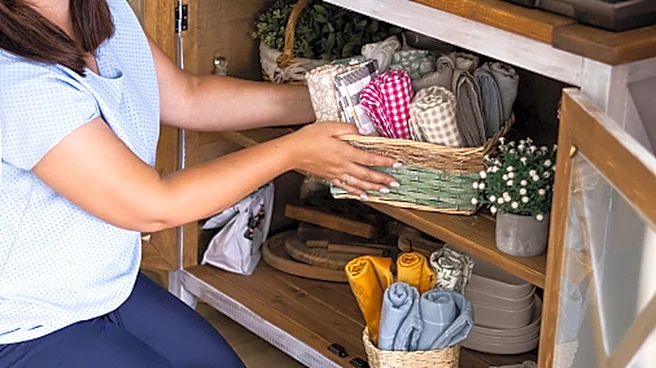
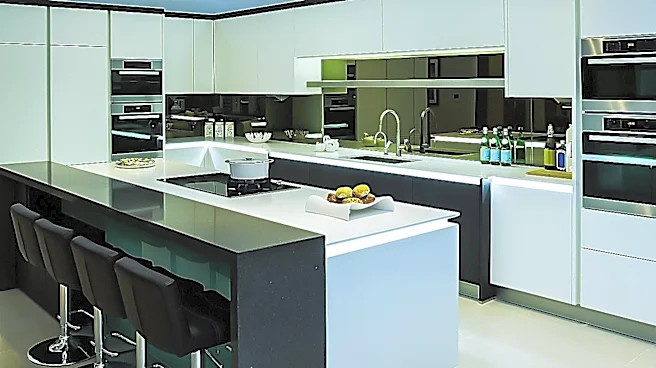
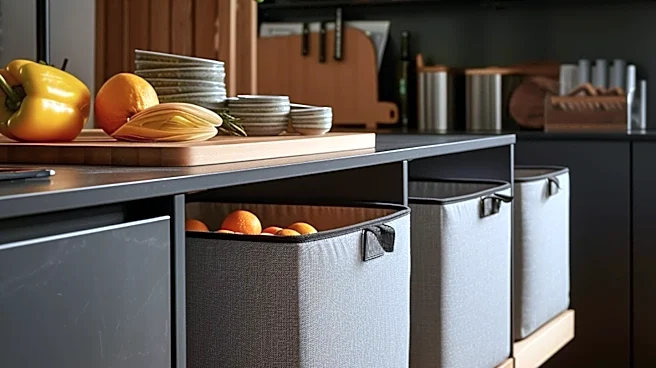
Kitchen storage trends are evolving significantly, moving past conventional cabinets and drawers to embrace more tailored and functional designs. Modern approaches focus on maximizing existing space and placing items precisely where they are used. This
includes the integration of wide drawers with movable dividers, allowing for customized organization of utensils and tools. Open niches are being incorporated into cabinet walls, providing accessible storage for frequently used items like bottles and dishes. Island ends, traditionally decorative, are now being utilized for open shelving to store plates and serving pieces, enhancing both utility and accessibility. A key innovation is the development of tall cabinets that function as complete prep stations, concealing work surfaces, drawers, shelves, lighting, and small appliances behind closed doors. Additionally, sink areas are being optimized with fitted accessory sections for knives and other prep tools, freeing up counter and drawer space. The use of open metal rails and mesh-front cabinets for glassware and dishes offers a blend of visibility and enclosure, moving away from entirely opaque storage solutions. These developments aim to create more efficient, organized, and aesthetically pleasing kitchen environments.
Why It's Important?
This shift in kitchen storage design carries substantial implications for the U.S. home improvement, interior design, and manufacturing industries. For manufacturers of kitchen components, it signals a growing demand for specialized, modular, and customizable products, requiring innovation in design and materials. Companies that can offer integrated prep stations, versatile drawer dividers, and multi-functional island solutions are poised to capture a larger market share. Homeowners stand to gain from more efficient and aesthetically pleasing kitchens, particularly in urban areas where space optimization is crucial. This focus on making existing space work harder can lead to more cost-effective renovations and potentially reduce the need for larger kitchen footprints. For interior designers and architects, it necessitates a deeper understanding of integrated storage strategies and a move towards more creative, user-centric designs. Economically, this trend could stimulate growth in niche markets for kitchen organization systems and smart home integrations, fostering innovation across the supply chain. The emphasis on practical, long-term usability over fleeting aesthetic trends also suggests a more sustainable approach to home design, potentially reducing the frequency of major remodels driven by superficial changes.
What's Next?
The evolution of kitchen storage is expected to continue towards greater personalization, modularity, and integration with smart home technologies. Future developments may include further advancements in reconfigurable storage systems that can easily adapt to changing household needs or new appliances. Manufacturers are likely to invest more in research and development to produce durable and aesthetically versatile materials that support both open and concealed storage concepts. The incorporation of smart features, such as automated lighting within drawers or digital inventory management for pantry items, could become more commonplace, enhancing convenience and efficiency. Design software will likely evolve to better accommodate these complex, multi-functional storage solutions, enabling homeowners and designers to visualize and customize their kitchens with greater precision. Furthermore, as sustainability gains prominence, there may be an increased demand for storage solutions made from eco-friendly or recycled materials, and designs that promote reduced food waste through improved organization. The market will likely see a proliferation of specialized accessories and inserts designed to complement these new storage paradigms, offering consumers an ever-expanding array of options to optimize their kitchen spaces.
Beyond the Headlines
Beyond the immediate practical benefits, this evolution in kitchen storage design reflects broader cultural and lifestyle shifts within the U.S. There is a growing cultural appreciation for minimalism and decluttering, where efficient and integrated storage is crucial for maintaining an uncluttered living environment. The move towards integrated prep stations and specialized compartments also indicates a more sophisticated approach to home cooking and entertaining, where tools and ingredients need to be readily accessible and organized. Culturally, the kitchen is increasingly viewed not just as a functional area but as a central hub for family life and social interaction, demanding designs that are both highly functional and visually appealing. This trend could also influence residential architecture, with new home constructions potentially incorporating these advanced storage concepts from the outset, rather than relying on aftermarket solutions. The emphasis on 'making existing space work harder' aligns with a growing awareness of resource efficiency and sustainable living, encouraging homeowners to optimize their existing spaces rather than constantly seeking larger ones. This signifies a deeper understanding of how people interact with their homes and a desire for spaces that truly support their daily routines and aspirations.